
Algae growth in aquariums is natural and often unavoidable. While a small amount of algae contributes to a balanced ecosystem by absorbing nitrates and providing oxygen, excessive growth can cloud water, smother plants, and stress fish. Many aquarists reach for chemical algaecides, but these can be dangerous if misused and may harm sensitive species like shrimp, snails, or young fish. The key to sustainable algae management lies not in elimination, but in prevention and balance—using safe, non-toxic methods that support the health of both your aquatic pets and the tank environment.
Understanding Algae: Friend and Foe
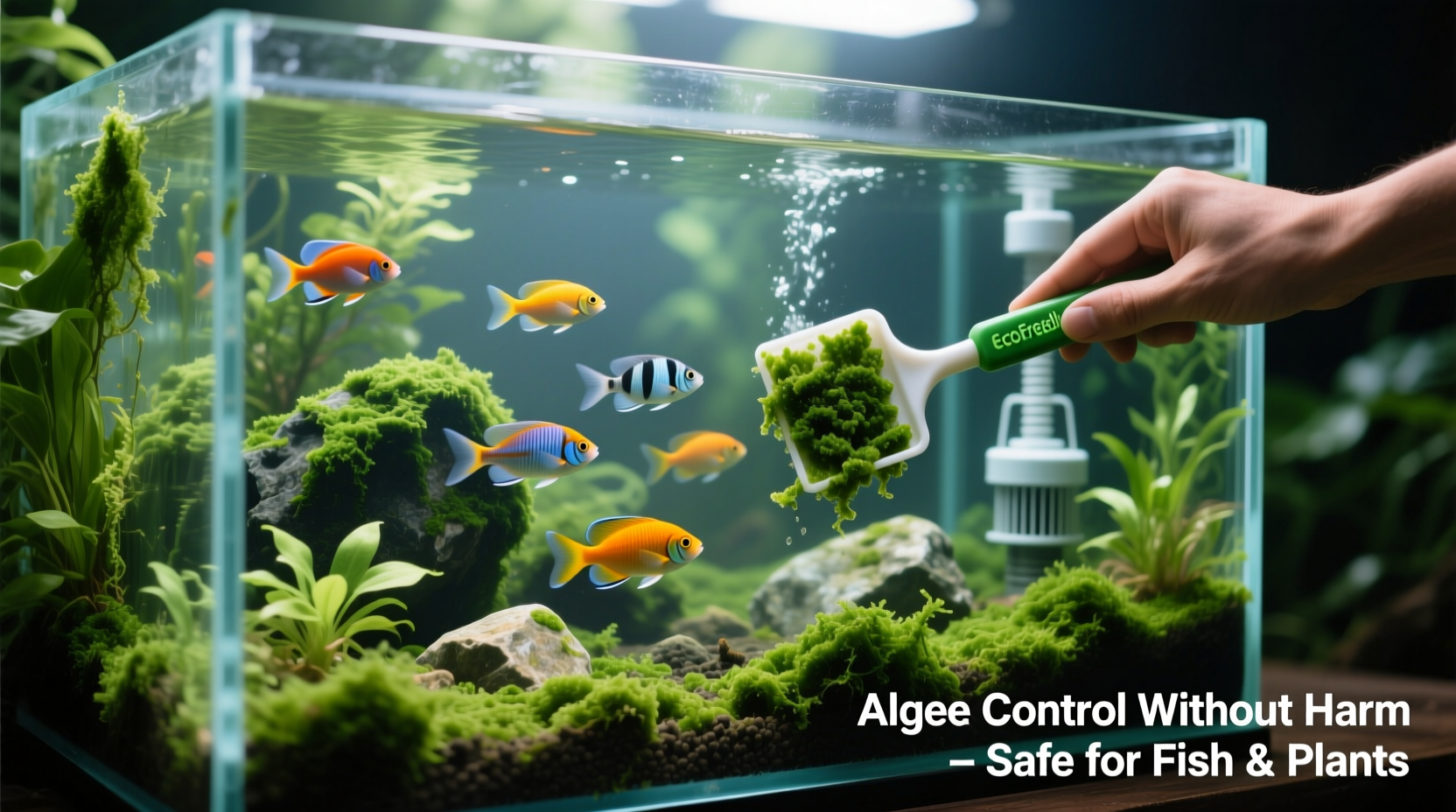
Algae are simple photosynthetic organisms that thrive in environments with light, nutrients, and water—conditions common to all aquariums. Common types include green spot algae, hair algae, brown diatoms (often mistaken for algae), and blue-green cyanobacteria (technically bacteria, not algae). Each type indicates different imbalances in the tank.
Green algae on glass or decorations usually signal excess light or nutrient buildup. Brown diatom blooms are common in new tanks and typically fade as the system matures. Hair algae often result from inconsistent CO₂ levels or fluctuating nutrients. Blue-green algae suggest poor water quality and overabundance of organic waste.
The goal isn’t to eradicate algae completely, but to keep it within manageable limits. A lightly coated rock or driftwood piece adds natural character and provides grazing opportunities for certain fish and invertebrates. The problem arises when algae dominate surfaces, block light from live plants, or deplete oxygen at night.
Tip: Observe the type of algae present—it’s a diagnostic tool. Green film? Likely too much light. Black beard? Often tied to high organics and low flow.Natural Light Management
Light is one of the primary drivers of algae growth. Even with perfect water chemistry, prolonged or intense lighting encourages rapid algae reproduction. Most freshwater tanks need only 6–8 hours of light per day. Extending this beyond 10 hours significantly increases the risk of uncontrolled growth.
Use a timer to maintain consistency. Irregular lighting schedules confuse both fish and plants, weakening plant competition and giving algae an advantage. LED lights with adjustable spectrums allow you to favor wavelengths that promote plant growth over algae—typically more red and blue light, less green.
Avoid placing your tank near windows where direct sunlight hits the glass. Sunlight contains full-spectrum light and heats the water unevenly, creating ideal conditions for nuisance algae. If natural light is unavoidable, position the tank perpendicular to the window or use blinds during peak daylight hours.
“Light duration matters more than intensity when controlling algae. Eight hours of consistent light beats twelve hours of dim, erratic exposure.” — Dr. Lena Torres, Aquatic Biologist
Optimizing Nutrient Balance
Algae feed on the same nutrients as aquatic plants: nitrates, phosphates, and trace organics. In a planted tank, fast-growing plants outcompete algae for these resources. But when plants are sparse, slow-growing, or deprived of CO₂, algae seize the opportunity.
Regular water changes are essential. Aim for 25–30% weekly to remove accumulated nitrates and phosphates. Use a gravel vacuum to stir detritus from the substrate, which breaks down into nutrients that fuel algae. Test your tap water before refilling; some municipal sources contain high phosphate levels from treatment processes.
Fertilizers should be dosed carefully. Overdosing iron or other micronutrients can trigger outbreaks, especially in low-tech tanks without pressurized CO₂. Follow a lean fertilization approach—just enough to support plant health without surplus.
| Nutrient | Safe Level (Freshwater) | Algae Risk Threshold |
|---|---|---|
| Nitrate (NO₃⁻) | 5–20 ppm | Over 40 ppm |
| Phosphate (PO₄³⁻) | 0.1–0.5 ppm | Over 1.0 ppm |
| Potassium (K⁺) | 10–20 ppm | No direct risk |
| Iron (Fe²⁺) | 0.05–0.1 ppm | Over 0.2 ppm |
Maintain a diverse community of fast-growing stem plants such as hornwort, water wisteria, or duckweed. These act as natural nutrient sponges, reducing what’s available for algae. Floating plants like frogbit or salvinia also shade lower areas and absorb surface nutrients efficiently.
Biological Control: Algae-Eating Crew
Introducing algae-eating organisms is one of the safest and most effective long-term solutions. Unlike chemicals, these animals provide continuous maintenance without altering water chemistry.
Amano shrimp (Caridina multidentata) are renowned for their appetite for hair algae and biofilm. They’re peaceful, hardy, and compatible with most community tanks. Nerite snails are excellent for glass and hardscape cleaning—their tiny mouths scrape even tough green spot algae. Crucially, they don’t reproduce in freshwater, preventing population explosions.
For larger tanks, consider Siamese algae eaters (Crossocheilus oblongus). True SAEs (not to be confused with similar-looking but less effective lookalikes) consume black beard algae and brush algae. They stay active throughout the day and thrive in groups of three or more. Otocinclus catfish are gentle grazers ideal for planted tanks, though they require stable water and supplemental feeding with blanched vegetables.
Tip: Always quarantine new algae eaters for 2–3 weeks to prevent introducing diseases or pests like snail eggs.Choosing the Right Clean-Up Crew
- Tank size under 10 gallons: 4–6 Nerite snails or 5–7 Amano shrimp
- 20–30 gallon tank: 1 small school of Otocinclus (6–8) + 2 Nerite snails
- 40+ gallons: Pair Siamese algae eaters (2–3) with a mixed crew of shrimp and snails
Avoid overstocking clean-up crews. Too many scavengers produce excess waste, counteracting their benefits. Monitor behavior—listless or hidden algae eaters may indicate poor water quality or inadequate food sources.
Step-by-Step Manual Cleaning Routine
Even with preventive measures, manual intervention remains necessary. Done correctly, it removes algae without stressing fish or disrupting biological balance.
- Turn off equipment: Shut down filters and heaters to avoid damage during scrubbing. Leave air pumps running if possible to maintain oxygenation.
- Scrub glass: Use an algae magnet scraper for acrylic tanks or a razor blade (glass only) for stubborn deposits. Work slowly to avoid dislodging large chunks that could cloud the water.
- Clean decorations and substrate: Remove artificial plants and rocks, soaking them in a bucket of 10% bleach solution (1:9 bleach-to-water ratio) for 15 minutes. Rinse thoroughly with clean water and air-dry before returning. For substrate, vacuum deeply to extract debris without disturbing beneficial bacteria.
- Rinse filter media: Swirl sponges and ceramic rings in removed tank water (never tap water) to preserve nitrifying bacteria. Replace carbon or chemical media as needed.
- Refill and restart: Add dechlorinated water matching the tank temperature. Restart equipment and observe for proper function.
This process should take no longer than 45 minutes and be performed every 2–3 weeks depending on growth rate. Consistency prevents buildup and reduces the need for aggressive cleaning.
Water Flow and Oxygenation
Poor circulation creates stagnant zones where detritus accumulates and algae flourish. Ensure water movement reaches all corners of the tank. Position powerheads or adjust filter outputs to create gentle surface agitation without overwhelming fish.
Increased surface ripple enhances gas exchange, raising dissolved oxygen levels—especially important at night when plants respire rather than photosynthesize. High oxygen supports beneficial bacteria and discourages anaerobic pockets where harmful microbes and cyanobacteria thrive.
In planted tanks, strong flow helps deliver CO₂ and nutrients evenly to leaves, promoting robust plant growth that naturally suppresses algae. However, avoid directing currents directly at delicate plant stems or burrowing fish.
Mini Case Study: The Overlit Community Tank
Mark, a beginner aquarist, noticed his 29-gallon tank developing thick green hair algae within six weeks of setup. His lighting was set to 12 hours daily using a standard LED fixture, and he fed his tetras and guppies twice a day. Plants were limited to a few slow-growing Anubias attached to driftwood.
After testing, nitrate levels were found at 60 ppm, and phosphate at 1.5 ppm. No CO₂ was injected. Mark reduced lighting to 7 hours using a timer, began weekly 30% water changes, added floating water lettuce, and introduced a group of five Otocinclus. Within four weeks, algae diminished significantly. By week eight, only minor patches remained, easily managed by the cleanup crew.
The change wasn’t due to one fix, but the combination of reduced light, improved nutrient export, and biological assistance—proving that holistic adjustments yield lasting results.
When to Avoid Chemical Treatments
Chemical algaecides can kill algae quickly, but they carry risks. Many contain glutaraldehyde or copper derivatives, which are toxic to invertebrates and sensitive fish species. Even products labeled “safe” can cause oxygen crashes when large amounts of dead algae decompose.
If you must use a chemical treatment, isolate it to severe cases—such as persistent black beard algae—and follow dosage instructions precisely. Remove activated carbon from the filter beforehand to prevent binding the active ingredient. Turn off UV sterilizers during treatment, as they may neutralize the compound.
Never combine algaecides with other medications. After treatment, perform a 30% water change and add fresh carbon to remove residual chemicals. Monitor fish closely for signs of distress.
“Chemicals are a last resort, not a routine tool. Lasting algae control comes from understanding root causes, not masking symptoms.” — James Reed, Certified Aquarium Technician
Preventive Maintenance Checklist
Staying ahead of algae requires consistent habits. Use this checklist weekly:
- ✅ Test nitrate and phosphate levels
- ✅ Wipe down front and side glass
- ✅ Remove uneaten food and decaying plant matter
- ✅ Check filter flow and clean intake if clogged
- ✅ Trim overgrown plants to improve circulation
- ✅ Verify lighting schedule and duration
- ✅ Observe algae eater activity and health
Monthly tasks include deep substrate vacuuming, inspecting heater and pump function, and evaluating plant nutrient needs.
Frequently Asked Questions
Can I use hydrogen peroxide to kill algae?
Hydrogen peroxide (3%) can be used spot-treatments for tough algae like black beard. Apply with a syringe directly to affected areas at a rate of 1ml per gallon, ideally during lights-off periods. Avoid contact with fish and invertebrates. Overuse harms beneficial bacteria and plants.
Why does algae grow overnight after a water change?
This is usually due to resuspended nutrients or temporary CO₂ fluctuations. During water changes, sediment disturbance releases trapped phosphates. Additionally, cooler incoming water holds more dissolved CO₂, causing a pH shift that stresses plants, reducing their competitive edge. Maintain consistent parameters and pre-condition replacement water.
Do live plants really help control algae?
Yes—when healthy and well-maintained, live plants are among the most effective algae deterrents. They consume the same nutrients and release compounds that inhibit certain algae species. Fast-growing stem plants are particularly effective nutrient sinks.
Conclusion: Sustainable Clarity Starts Today
Controlling algae without harming fish is entirely achievable through balanced lighting, diligent maintenance, strategic plant selection, and the right biological allies. There is no single magic solution—success lies in consistency and observation. Every tank tells a story through its water clarity, plant vitality, and the behavior of its inhabitants.
Start today by auditing your current routine: check your light timer, test your water, and assess whether your cleanup crew is sufficient. Small adjustments compound into dramatic improvements over time. A clear, vibrant aquarium isn’t about perfection—it’s about harmony.
💬 Have a successful algae control tip or story? Share your experience below and help fellow aquarists maintain healthier, more beautiful tanks—naturally.








