Crying is a natural emotional response, but when tears are followed by stinging, burning, or irritated eyes, the experience can become uncomfortable — even distressing. While occasional discomfort after crying is normal due to increased blood flow and tear composition, persistent or intense burning may point to underlying conditions or environmental factors. Understanding the root causes and knowing how to respond effectively can make a significant difference in comfort and eye health.
Why Eyes Burn When Crying: The Science Behind the Sensation
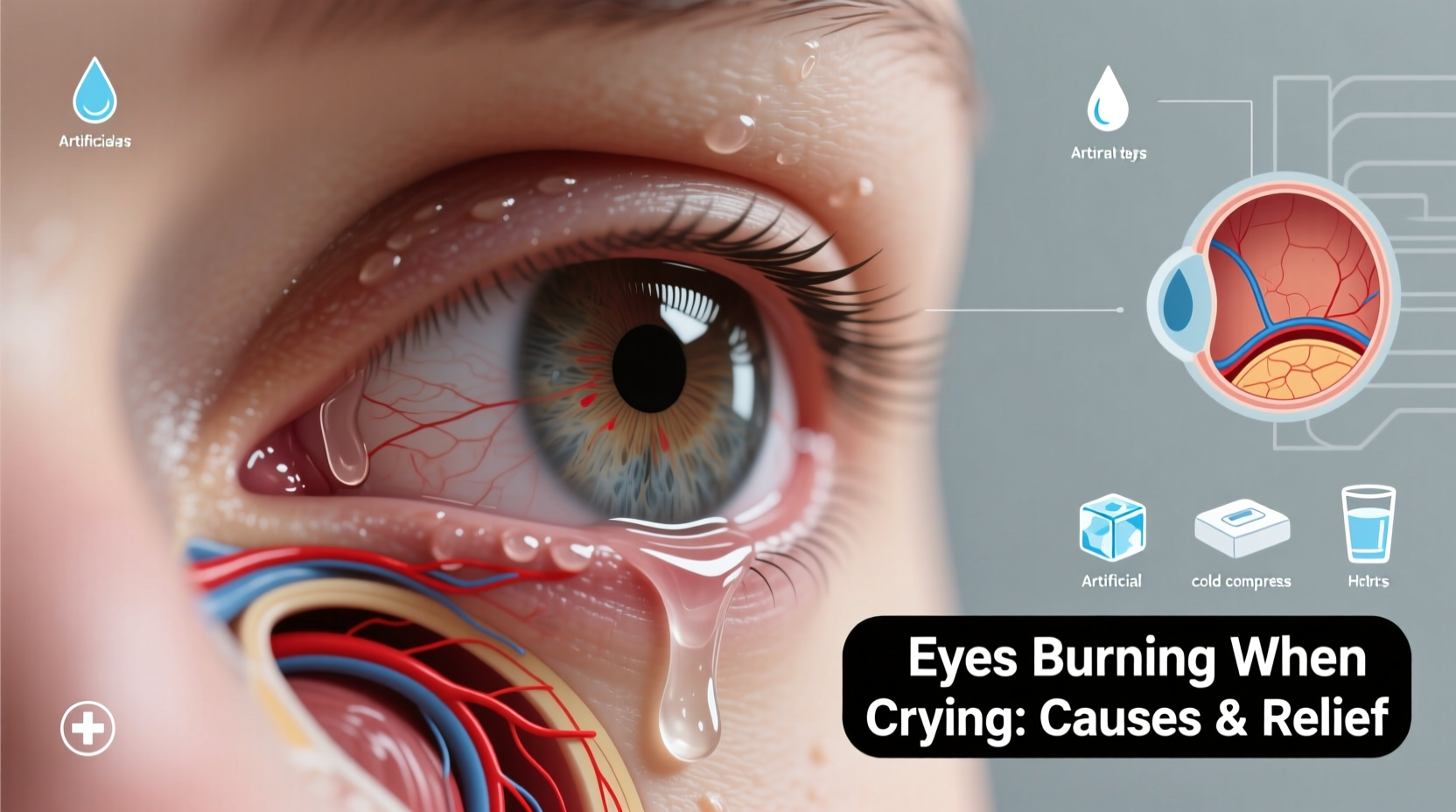
When you cry, your lacrimal glands produce tears that consist of water, oils, mucus, and proteins. Emotional tears, in particular, contain higher levels of stress hormones like cortisol and leucine enkephalin, a natural painkiller. As these chemical components interact with the delicate surface of the eye, they can temporarily disrupt the tear film’s balance, leading to irritation.
The physical act of crying also increases blood flow to the face, causing blood vessels in the eyes and eyelids to dilate. This inflammation can contribute to redness, puffiness, and a burning sensation. Additionally, rubbing your eyes during or after crying introduces friction and potential irritants from your hands, worsening discomfort.
Tip: Avoid rubbing your eyes while crying—use a clean, soft tissue to gently blot tears instead.Common Causes of Burning Eyes After Crying
Burning isn’t always just a side effect of emotion. Several factors can amplify or trigger this sensation:
- Dry Eye Syndrome: Insufficient tear production or poor tear quality can make the ocular surface more vulnerable to irritation when emotional tears evaporate quickly.
- Allergies: Seasonal or environmental allergens (pollen, dust, pet dander) can sensitize the eyes, making them react more intensely to tears and rubbing.
- Contact Lens Irritation: Wearing lenses during emotional episodes can trap debris and alter oxygen flow, increasing sensitivity.
- Eye Infections: Conditions like conjunctivitis or blepharitis cause inflammation that worsens with tear fluctuations.
- Environmental Irritants: Smoke, pollution, dry air, or strong fragrances can compound post-crying discomfort.
- Recurrent Corneal Erosion: A condition where the outer layer of the cornea doesn’t adhere properly, often aggravated by blinking or tearing.
“Tears are meant to soothe, but if the ocular surface is already compromised, emotional crying can trigger or intensify burning.” — Dr. Lena Torres, Ophthalmologist and Dry Eye Specialist
Effective Treatments and Immediate Relief Strategies
If your eyes frequently burn after crying, targeted interventions can reduce symptoms and prevent recurrence. Here’s what works:
1. Use Artificial Tears
Preservative-free lubricating eye drops help restore the tear film and flush out irritants. Apply one or two drops per eye after crying, especially if your eyes feel gritty or dry.
2. Apply a Cold Compress
Soak a clean cloth in cold water, wring it out, and place it over closed eyes for 5–10 minutes. This reduces inflammation, constricts blood vessels, and soothes burning.
3. Stay Hydrated
Dehydration affects tear quality. Drinking water supports healthy tear production and minimizes post-crying irritation.
4. Use a Humidifier
Dry indoor air exacerbates eye discomfort. Running a humidifier at night or in frequently used rooms helps maintain moisture in the air and on the eye surface.
5. Remove Contact Lenses Promptly
If you wear contacts, take them out as soon as possible after crying. Clean them thoroughly or switch to daily disposables to reduce contamination risk.
| Treatment | Best For | Frequency |
|---|---|---|
| Artificial tears (preservative-free) | Dryness, mild irritation | As needed, up to 4x/day |
| Cold compress | Redness, swelling, burning | 1–2 times daily |
| Warm compress (for blepharitis) | Crusty lids, chronic irritation | Daily, 10 minutes |
| Antihistamine eye drops | Allergy-related burning | As directed, short-term |
Prevention Checklist: Protect Your Eyes During Emotional Episodes
Being prepared can minimize discomfort when emotions run high. Follow this checklist to safeguard your eye health:
- Keep preservative-free artificial tears near your bedside or in your bag.
- Carry hypoallergenic tissues to avoid introducing chemicals to the eye area.
- Avoid touching or rubbing your eyes—use gentle dabbing motions instead.
- Stay away from smoke, strong perfumes, or dusty environments when emotionally vulnerable.
- Use wraparound sunglasses outdoors to shield eyes from wind and allergens.
- Maintain regular eye exams—at least once a year—to detect early signs of dry eye or inflammation.
- Practice stress-reduction techniques like deep breathing or mindfulness to reduce emotional triggers.
Real-Life Example: Sarah’s Experience with Chronic Eye Burning
Sarah, a 34-year-old teacher, began noticing her eyes burned intensely every time she cried—even during minor emotional moments like watching a heartfelt movie. Initially, she dismissed it as normal, but when the discomfort persisted for hours and started affecting her vision, she consulted an optometrist.
After evaluation, she was diagnosed with moderate dry eye syndrome exacerbated by seasonal allergies and prolonged screen use. Her emotional tears were disrupting an already fragile tear film, leading to chemical irritation and surface micro-abrasions.
Her treatment plan included switching to preservative-free artificial tears, using a humidifier at home, taking omega-3 supplements, and wearing blue-light glasses during work hours. Within six weeks, her post-crying discomfort decreased significantly. “I still cry,” she says, “but now my eyes don’t pay the price.”
Frequently Asked Questions
Can crying damage your eyes?
No, crying itself does not damage the eyes. It’s a natural and healthy process. However, excessive rubbing, pre-existing eye conditions, or environmental irritants can make crying uncomfortable or worsen underlying issues.
Why do my eyes burn only in one eye when I cry?
Unilateral burning may indicate localized irritation, such as a foreign body, mild infection, or uneven tear distribution. It could also stem from sleeping on one side, which increases morning dryness. If persistent, consult an eye doctor to rule out corneal scratches or blocked glands.
Are there long-term consequences if my eyes keep burning after crying?
Occasional burning is usually harmless. But recurrent or severe discomfort may signal chronic dry eye, allergy, or inflammation that, if untreated, can lead to corneal damage or reduced quality of life. Early intervention improves outcomes.
When to See a Doctor
While temporary eye burning after crying is common, seek medical attention if you experience:
- Persistent burning lasting more than 24 hours
- Blurred vision or light sensitivity
- Discharge, crusting, or swelling
- Feeling like something is stuck in your eye
- History of eye surgery or autoimmune disease (e.g., Sjögren’s syndrome)
An ophthalmologist can perform tests like tear breakup time (TBUT), Schirmer test, or corneal staining to assess eye surface health and determine appropriate treatment.
Conclusion: Take Care of Your Eyes—Emotions Included
Your eyes are designed to handle tears, but modern lifestyles, environmental stressors, and underlying conditions can make emotional release physically uncomfortable. By understanding the causes of burning eyes after crying and applying practical relief strategies, you can protect your ocular health without suppressing your emotions.
🚀 Start today: Keep a bottle of preservative-free eye drops in your routine, avoid rubbing your eyes, and schedule an eye check-up if discomfort persists. Your vision—and emotional well-being—depend on it.








