For those captivated by the mysteries of the deep, few experiences rival walking through a world-class aquarium. These institutions blend education, conservation, and awe-inspiring design to bring the ocean’s wonders to life. From colossal underwater tunnels to cutting-edge marine research, the finest aquariums on Earth offer more than just fish tanks—they provide gateways into aquatic ecosystems. Whether you're planning a trip or simply dreaming of coral reefs and sharks, this guide highlights the most exceptional aquariums across the globe, each offering something unique for true water lovers.
1. Georgia Aquarium – Atlanta, USA: A Colossal Marine Experience
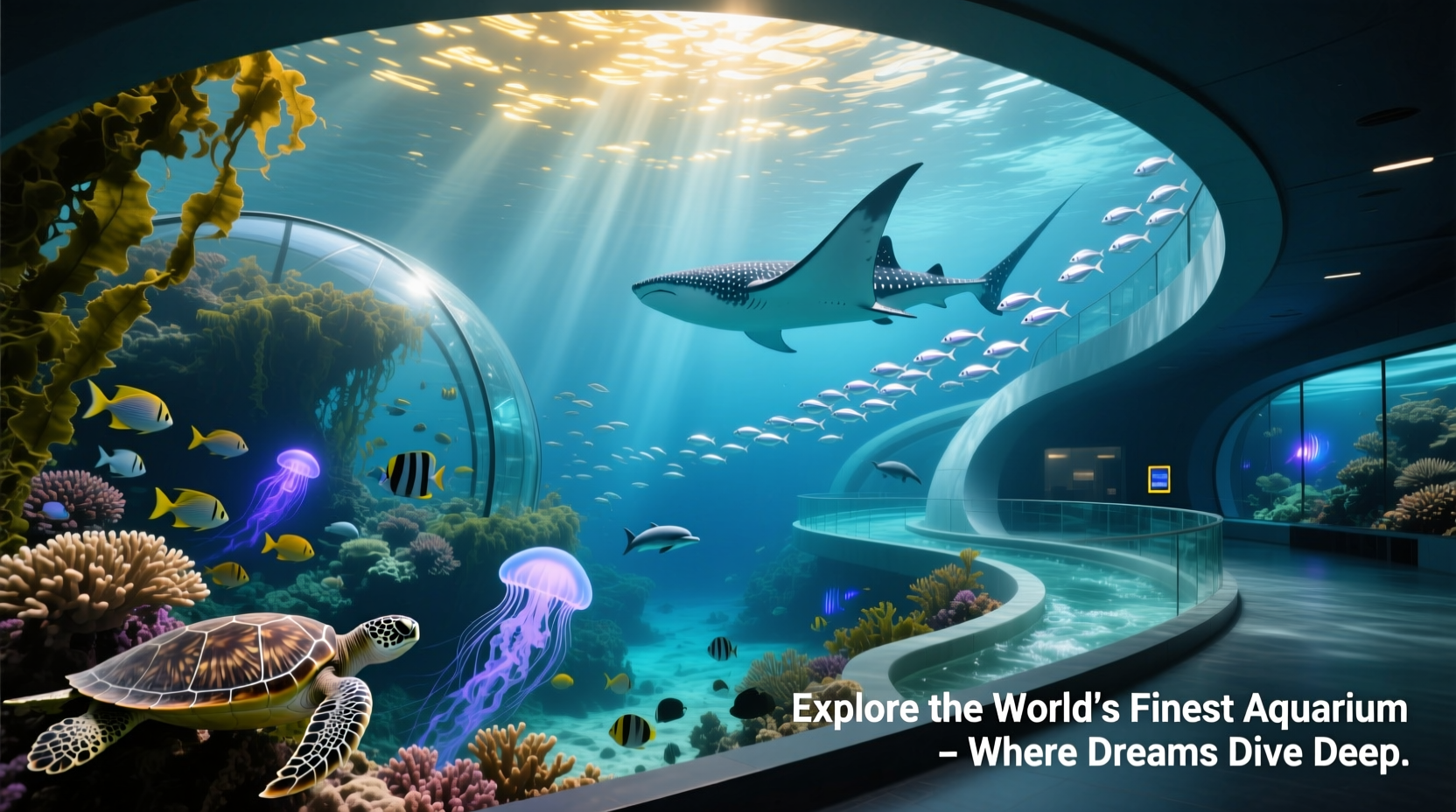
Holding the title of one of the largest aquariums in the Western Hemisphere, the Georgia Aquarium in Atlanta is home to over 100,000 animals representing more than 500 species. Its crown jewel is the Ocean Voyager exhibit, a 6.3-million-gallon tank featuring whale sharks, manta rays, and schools of barracuda. Visitors walk through a 100-foot acrylic tunnel while giant sea creatures glide overhead.
The aquarium emphasizes conservation and research, partnering with global organizations to protect endangered marine species. Interactive programs allow guests to swim with dolphins or dive among sharks—experiences that turn fascination into lasting memory.
Tip: Book timed entry tickets online in advance, especially during weekends and holidays, to avoid long queues.2. Okinawa Churaumi Aquarium – Japan: Where Nature Meets Innovation
Nestled on the coast of Okinawa Island, the Churaumi Aquarium offers panoramic views of the East China Sea and houses one of the world’s largest single-panel acrylic windows—22 feet wide and 26 feet tall. Behind it lies the Kuroshio Sea tank, holding 1.98 million gallons and showcasing majestic whale sharks and manta rays in graceful motion.
What sets Churaumi apart is its integration with natural surroundings. The facility uses seawater pumped directly from the ocean, maintaining stable conditions for delicate coral and reef species. Their coral propagation program has helped restore local reef systems, demonstrating how public aquariums can lead environmental recovery.
“Churaumi isn’t just about display—it’s a living laboratory where visitors witness real-time marine restoration.” — Dr. Kenji Sato, Marine Biologist at Okinawa Institute of Science
3. S.E.A. Aquarium – Singapore: Immersive Ocean Journeys
Located within Resorts World Sentosa, the S.E.A. Aquarium once held the Guinness World Record for the largest aquarium by volume. With over 100,000 marine animals from 1,000+ species, it spans diverse habitats—from tropical coral reefs to deep-sea trenches.
The Open Ocean habitat features a 36-meter-long moving walkway beneath a massive curved panel, creating an illusion of floating through open waters. Themed zones like Shipwreck & Treasure Hunt blend storytelling with science, making it ideal for families and younger enthusiasts.
Sustainability is central to its mission. The aquarium participates in breeding programs for seahorses and other vulnerable species and uses energy-efficient filtration systems to minimize ecological impact.
4. L’Oceanogràfic – Valencia, Spain: Europe’s Largest Aquarium Complex
Part of the City of Arts and Sciences, L’Oceanogràfic is not only Spain’s most visited aquarium but also the largest in Europe. Designed by architect Félix Candela, its striking modernist architecture mimics shells and waves, blending seamlessly with the surrounding landscape.
The complex includes nine distinct ecosystems: Mediterranean Sea, Wetlands, Temperate Oceans, Tropical Seas, Arctic Regions, Antarctic Regions, Islands, Coastal Areas, and a dedicated dolphinarium. Over 45,000 animals thrive here, including beluga whales, penguins, and sea turtles.
L’Oceanogràfic runs extensive educational outreach, offering workshops and citizen science initiatives. It also leads rescue and rehabilitation efforts for injured marine wildlife along the Iberian coast.
5. Chimelong Ocean Kingdom – Zhuhai, China: Theme Park Meets Marine Wonder
Combining amusement park thrills with serious marine biology, Chimelong Ocean Kingdom in Guangdong Province holds multiple world records, including the largest aquarium tank and longest underwater viewing dome. Its main tank contains over 22 million liters of water and hosts whale sharks, hammerhead sharks, and manta rays.
Beyond exhibits, Chimelong offers roller coasters, acrobatic dolphin shows, and interactive touch pools. While some critics question the ethics of performance-based entertainment, the facility funds coral farming and shark tagging projects in partnership with Chinese universities.
For travelers seeking both excitement and education, Chimelong delivers a high-energy experience grounded in growing conservation awareness.
Comparison of Top Global Aquariums
| Aquarium | Location | Key Feature | Conservation Focus | Visitor Rating (Avg.) |
|---|---|---|---|---|
| Georgia Aquarium | Atlanta, USA | Whale sharks & Ocean Voyager tunnel | Endangered species breeding | 4.7/5 |
| Okinawa Churaumi | Okinawa, Japan | Kuroshio Sea tank with live seawater | Coral reef restoration | 4.8/5 |
| S.E.A. Aquarium | Singapore | Themed zones & moving walkway | Seahorse breeding & eco-design | 4.5/5 |
| L’Oceanogràfic | Valencia, Spain | Nine ecosystem pavilions | Wildlife rescue & education | 4.6/5 |
| Chimelong Ocean Kingdom | Zhuhai, China | Theme park integration & record tank size | Shark research & coral farming | 4.4/5 |
Planning Your Visit: A Practical Checklist
- ✅ Research opening hours and peak seasons to avoid crowds
- ✅ Purchase tickets online to skip lines and secure special exhibit access
- ✅ Check for behind-the-scenes tours or animal encounter programs
- ✅ Bring reusable water bottles—many aquariums have refill stations
- ✅ Verify accessibility options if traveling with seniors or children
- ✅ Look into membership benefits for frequent visitors or multi-city trips
A Real-World Example: A Family’s First Encounter with Whale Sharks
The Thompson family from Toronto planned their summer vacation around visiting the Georgia Aquarium. Both parents were educators, and their two children had recently completed a school unit on ocean life. Stepping into the Ocean Voyager tunnel, they stood still as a whale shark glided directly above them. “It was silent,” Mrs. Thompson recalled. “Even our youngest stopped talking. We all just looked up in wonder.”
That moment sparked months of follow-up learning—research projects, drawings, and even a donation to a marine nonprofit. For them, the aquarium wasn’t just entertainment; it became a catalyst for deeper environmental awareness.
How to Make the Most of Any Aquarium Visit
- Arrive early: Most aquariums are less crowded in the morning, allowing quieter observation and better photo opportunities.
- Attend feeding times: Scheduled feedings often come with live commentary from aquarists explaining animal behavior and diet.
- Download the official app: Many top aquariums offer augmented reality features, digital maps, and audio guides.
- Support conservation: Buy from gift shops that fund research or adopt an animal through the aquarium’s sponsorship program.
- Ask questions: Staff and volunteers are usually eager to share knowledge—don’t hesitate to engage.
Frequently Asked Questions
Are large aquariums ethical?
Reputable aquariums adhere to strict animal welfare standards set by organizations like AZA (Association of Zoos and Aquariums) or EAZA (European Association). They prioritize enrichment, veterinary care, and breeding programs that reduce wild capture. However, transparency matters—look for facilities that publish annual animal care reports.
Can I volunteer or intern at major aquariums?
Yes, most leading aquariums offer structured volunteer programs, internships, and even research fellowships. Requirements vary, but enthusiasm, reliability, and basic knowledge of marine biology are common prerequisites. Applications typically open several months in advance.
Which aquarium is best for kids?
S.E.A. Aquarium in Singapore and Georgia Aquarium stand out for family-friendly design. Interactive zones, touch tanks, and kid-focused signage make learning engaging without sacrificing scientific accuracy.
Conclusion: Dive Into a World of Wonder
The greatest aquariums do more than display marine life—they inspire stewardship, spark curiosity, and connect people to the planet’s blue heart. Whether you’re drawn to the serene glide of a manta ray or the vibrant chaos of a coral reef, these destinations offer transformative experiences rooted in science and beauty. Each visit supports vital conservation work, turning tourism into tangible action.
💬 Have you visited one of these aquariums? Share your story or favorite moment in the comments below—and help fellow enthusiasts plan their next underwater adventure!








