Saddle bags, with their structured silhouette and timeless design, are a staple in both equestrian and fashion-forward wardrobes. Whether crafted from supple leather or durable canvas, maintaining their form is essential to preserving both function and aesthetic appeal. Over time, improper handling, exposure to elements, or neglect can lead to sagging, creasing, or permanent warping. The good news: with the right care routine, your saddle bag can retain its crisp shape and structural integrity for years. This guide delivers actionable, expert-backed strategies to protect your investment and ensure your bag always looks as intended.
Choose the Right Supportive Fill
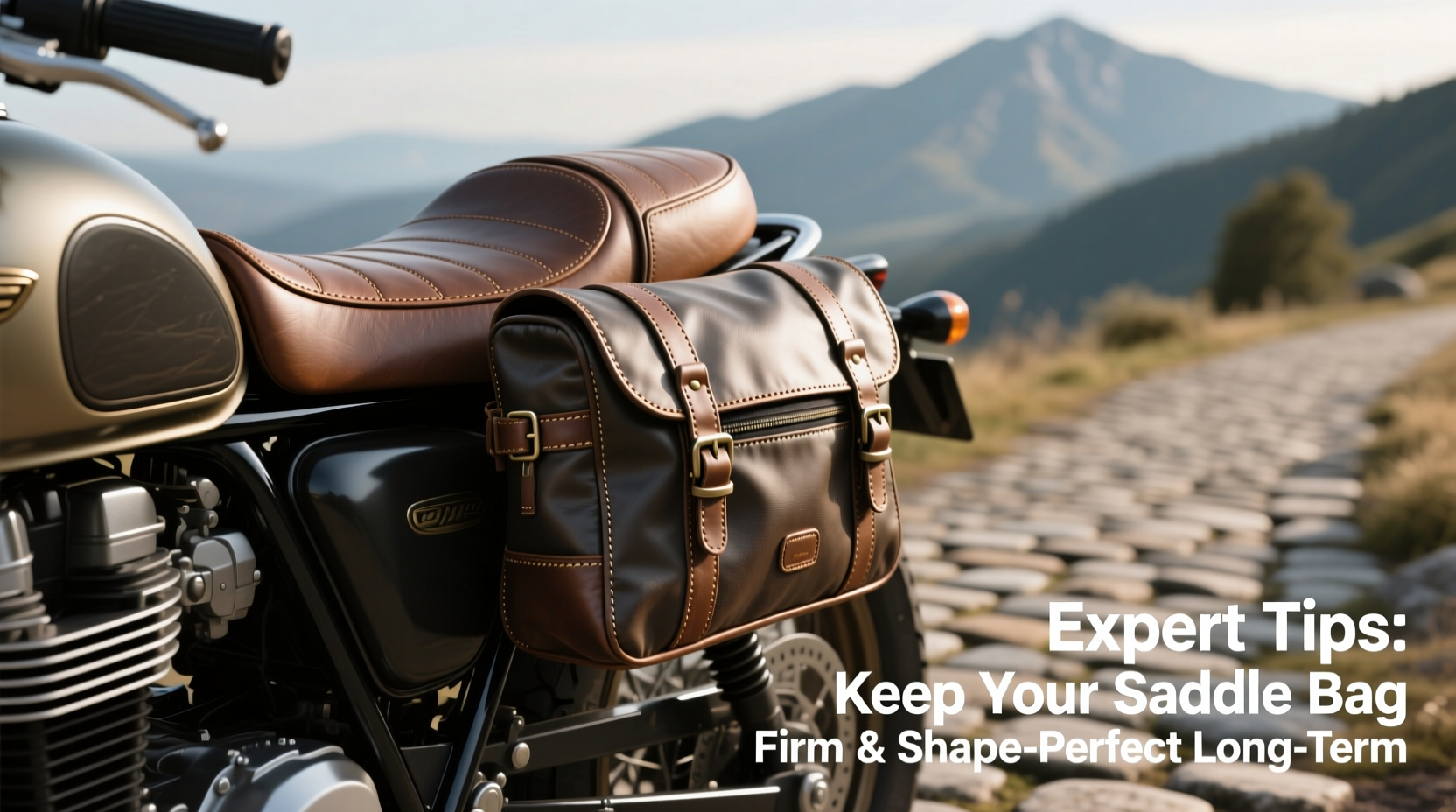
One of the most overlooked yet critical aspects of saddle bag maintenance is internal support. When not in use, a hollow bag collapses under its own weight, especially along the sides and base. To prevent this, fill the interior with soft, shape-preserving material that mimics the volume it holds when used.
- Use acid-free tissue paper to gently stuff the bag without pressing too hard on seams.
- Avoid heavy objects like books or bottles, which can distort stitching and stress corners.
- For daily carry bags, consider a removable padded insert designed specifically for saddle styles.
Store with Purpose: Environment Matters
Where and how you store your saddle bag directly impacts its longevity. Heat, humidity, and light degrade materials over time. Leather dries out; fabric fades; linings mildew. A thoughtful storage approach prevents these issues before they start.
“Consistent care and proper storage can double a bag’s lifespan.” — Emma Clarke, Fashion Care Expert
Always store your saddle bag upright, never flat or on its side. Lay it horizontally only if fully supported by padding. Use a breathable dust bag—never plastic—as it traps moisture and encourages mold growth.
Optimal Storage Conditions
| Factor | Recommended | Avoid |
|---|---|---|
| Temperature | Room temperature (65–75°F) | Attics, garages, near radiators |
| Humidity | 40–50% | Bathrooms, basements |
| Light Exposure | Dark, shaded area | Direct sunlight or bright indoor lights |
| Position | Upright with light stuffing | Laying flat or crammed in a closet |
Maintain Shape Through Regular Rotation
If you own multiple saddle bags, rotate their usage. Continuous daily wear on one piece leads to accelerated fatigue in straps, hardware, and structure. Even high-quality bags benefit from rest periods that allow materials to rebound.
Leather, in particular, compresses slightly with constant pressure. Allowing 24–48 hours between uses helps the natural fibers recover. For those who rely on one primary bag, remove all contents at the end of the day and let it “breathe” overnight with light stuffing.
Mini Case Study: The Weekend Rider’s Dilemma
Sophia, an avid trail rider, owned a premium full-grain leather saddle bag she used every weekend. Within eight months, the base began to bulge and the flap lost its curve. After consulting a leather restorer, she learned the issue stemmed from leaving the bag packed in her tack room—a space subject to temperature swings and occasional dampness. She started rotating two bags, storing them indoors in dust bags with tissue support, and conditioning monthly. After six months, the original bag regained much of its structure, and the new one showed no signs of wear.
Cleaning and Conditioning: A Delicate Balance
Dirt, sweat, and oils accumulate on both exterior and interior surfaces, compromising material resilience. However, over-cleaning or using incorrect products can do more harm than good. Follow a measured regimen tailored to your bag’s material.
Step-by-Step Cleaning Routine
- Empty completely: Remove all items, including small pockets and inserts.
- Dry wipe: Use a microfiber cloth to remove surface dust and debris.
- Spot clean: For stains, apply a manufacturer-approved cleaner with a cotton swab—never saturate.
- Condition leather: Every 6–8 weeks, use a pH-balanced leather conditioner sparingly on smooth areas.
- Air dry: Leave the bag open in a ventilated area away from direct heat.
Do’s and Don’ts by Material
| Material | Do’s | Don’ts |
|---|---|---|
| Full-Grain Leather | Condition quarterly, store with stuffing, wipe weekly | Expose to rain, use silicone sprays, fold when stored |
| Suede/Nubuck | Brush with suede eraser, use protective spray | Wipe with water, store without ventilation |
| Canvas | Vacuum gently, spot clean with mild soap | Machine wash, bleach, store damp |
| Exotic Leathers | Professional cleaning only, climate-controlled storage | DIY treatments, direct sunlight |
Hardware and Structural Integrity Checks
The shape of a saddle bag isn’t just about the body—it relies on functional hardware and reinforced stitching. Loose buckles, broken rivets, or frayed straps compromise both safety and structure. Perform a bi-monthly inspection to catch minor issues before they escalate.
- Check strap attachments for looseness or stitching gaps.
- Ensure zippers glide smoothly; lubricate with a graphite pencil if needed.
- Wipe metal components with a dry cloth to prevent tarnishing.
- Tighten screws on buckles or D-rings if applicable.
For vintage or heirloom pieces, consider professional reinforcement every 18–24 months. A skilled leather artisan can re-stitch stress points and replace worn lining without altering appearance.
Frequently Asked Questions
How often should I condition my leather saddle bag?
Every 6 to 8 weeks under regular use. In dry climates or with frequent outdoor use, condition monthly. Always test conditioner on a small hidden area first.
Can I reshape a bag that has already lost its form?
Yes, but results depend on material and damage severity. Gently steam leather areas (not suede), then restuff and store properly for 2–3 weeks. For severe warping, consult a restoration specialist.
Is it safe to store my saddle bag in a closet with other gear?
Only if the closet is climate-controlled, dry, and spacious. Avoid stacking items on top of the bag or placing it near rubber-soled boots or tires, which emit gases that degrade leather.
Final Checklist for Long-Term Saddle Bag Care
- Stuff bag lightly with acid-free tissue when not in use.
- Store upright in a breathable dust bag, away from light and moisture.
- Rotate usage if you own multiple bags.
- Wipe down after each use; deep clean every 2–3 months.
- Condition leather every 6–8 weeks (less for suede/canvas).
- Inspect hardware and stitching bi-monthly.
- Avoid overloading—keep weight under 5 lbs unless designed for heavy loads.
Conclusion
A well-maintained saddle bag doesn’t just look better—it performs better and lasts significantly longer. The key lies in consistency: gentle cleaning, intelligent storage, and proactive maintenance. These habits require minimal effort but deliver maximum return in durability and appearance. Whether your saddle bag is a functional riding companion or a fashion statement, treating it with care ensures it remains firm, structured, and beautiful for years to come.
💬 What’s your go-to method for keeping your bags in shape? Share your routine in the comments and help build a community of mindful bag owners.








