Personalizing an iPhone case with rhinestones has become a popular way to express individuality. Whether you're crafting a custom design or enhancing a pre-made case, the sparkle adds flair. However, many users face the frustration of stones falling off within days. The issue isn’t always poor craftsmanship—it’s often due to incorrect materials, application techniques, or environmental exposure. With the right approach, rhinestones can remain firmly in place for months, even with daily use. This guide reveals professional methods to ensure your decorative case stays brilliant and intact.
Choose the Right Adhesive for Maximum Hold
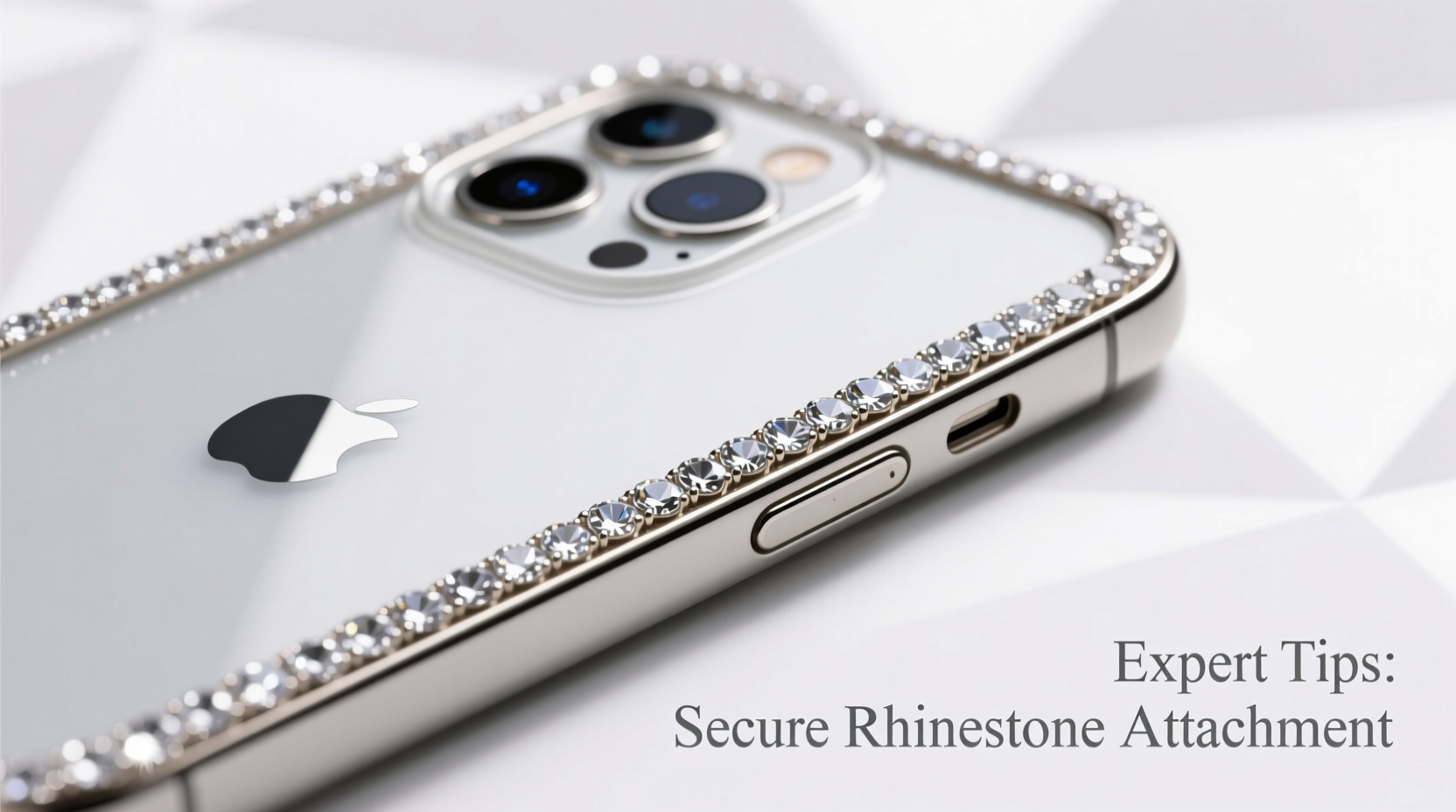
The foundation of any durable rhinestone application is the adhesive. Not all glues are created equal, especially when bonding small glass or acrylic stones to plastic or silicone surfaces. Using household glue like Elmer’s or basic craft adhesives often leads to premature detachment because they lack flexibility and resistance to temperature changes.
Instead, opt for industrial-strength adhesives designed specifically for embellishments on non-porous surfaces. Epoxy resins and cyanoacrylate (commonly known as super glue) offer superior bonding power. For DIY enthusiasts, two-part epoxy provides the longest hold, forming a rigid, water-resistant seal that withstands drops and friction.
Tip: Apply adhesive sparingly—too much can seep out and create a cloudy appearance around the stone.Recommended Adhesives Compared
| Adhesive Type | Bond Strength | Drying Time | Best For |
|---|---|---|---|
| Epoxy Resin | ★★★★★ | 6–24 hours | Precision designs, long-term wear |
| Cyanoacrylate (Super Glue) | ★★★★☆ | 15–60 seconds | Quick fixes, temporary accents |
| UV-Activated Gel | ★★★★☆ | 30–60 seconds under UV light | Glass cases, clean finishes |
| Hot Fix Glue | ★★★☆☆ | Instant with heat | Pre-glued stones, fabric overlays |
Prepare the Surface Thoroughly Before Application
No adhesive performs well on a dirty or oily surface. Fingerprints, dust, and residual manufacturing coatings on iPhone cases can prevent proper adhesion. Skipping surface preparation is one of the most common reasons for rhinestone failure.
Begin by cleaning the case with isopropyl alcohol (70% or higher). Wipe down the entire surface, paying extra attention to areas where stones will be placed. Allow it to dry completely before starting. For glossy or silicone cases, lightly sanding the contact points with fine-grit sandpaper (600+ grit) increases surface texture and improves grip.
“Surface prep is half the battle. A microscopically rough surface gives adhesives something to cling to.” — Dana Reyes, Product Durability Analyst at Mobile Accessory Labs
Apply Rhinestones with Precision and Proper Pressure
Accuracy matters. Placing a rhinestone even slightly off-center can lead to uneven pressure distribution, increasing the chance of lifting. Use tweezers with fine tips to position each stone precisely. Once placed, apply firm, steady pressure for at least 15–20 seconds to ensure full contact between the adhesive and both the stone base and the case.
For larger designs with multiple stones, work in small sections. Applying too many stones at once risks misalignment and inconsistent curing. If using epoxy, mix components in exact ratios as per manufacturer instructions—improper mixing weakens the bond.
Step-by-Step Guide to Secure Application
- Clean the case thoroughly with isopropyl alcohol and let it air dry.
- Lightly abrade the attachment area with fine sandpaper if the surface is smooth.
- Wipe away dust residue with a lint-free cloth.
- Apply a tiny drop of adhesive to the base of the rhinestone or directly onto the case.
- Place the stone with tweezers, ensuring alignment.
- Press down firmly for 15–20 seconds.
- Allow the adhesive to cure fully—follow product guidelines (e.g., 24 hours for epoxy).
Seal the Design for Extra Protection
Even with strong adhesive, constant handling exposes rhinestones to abrasion, moisture, and impact. A protective topcoat acts as a shield, encapsulating each stone and sealing gaps. Clear sealants like resin, Mod Podge Outdoor, or specialized jewelry glaze add durability without dulling sparkle.
For best results, apply a thin, even layer over the entire design using a small brush. Multiple thin coats are better than one thick one, which can sag or yellow over time. Allow each coat to dry completely before applying the next. Two to three layers typically provide optimal protection.
UV-cured sealants are particularly effective for glass-backed cases, offering a crystal-clear finish that resists yellowing. Avoid using standard nail polish as a sealant—it may crack or cloud over time.
Real-World Example: From脱落 to Longevity
Sophia, a college student and part-time accessory designer, initially struggled with her custom rhinestone iPhone cases lasting less than a week. After posting her frustration online, she received feedback from experienced crafters pointing to her use of school glue and lack of sealing. She switched to a two-part epoxy and began applying a clear resin topcoat. Her next batch of cases endured six months of daily campus use, surviving drops, pocket friction, and even brief water exposure during a rainstorm. “I didn’t realize how much difference the right materials made,” she said. “Now my clients ask for ‘the durable kind.’”
Maintenance and Care Tips for Longevity
Once applied, rhinestones require minimal but mindful care. Avoid exposing the case to extreme temperatures, such as leaving it in a hot car or near a heater. Heat softens adhesives, while cold makes them brittle. Similarly, prolonged contact with lotions, hand sanitizers, or perfumes can degrade the bond over time.
- Wipe the case gently with a damp cloth—never scrub vigorously.
- Avoid placing the phone face-down on rough surfaces.
- Remove the case carefully when charging to prevent snagging.
- Inspect stones monthly for looseness and re-seal if needed.
Do’s and Don’ts Summary
| Do | Don't |
|---|---|
| Use epoxy or UV resin for bonding | Use white craft glue or glue sticks |
| Clean and prep the surface first | Apply stones to a greasy or dusty case |
| Seal with a clear protective coating | Leave stones unsealed on high-contact areas |
| Handle gently during daily use | Drop the phone frequently or expose to moisture |
Frequently Asked Questions
Can I use nail glue to attach rhinestones?
Yes, but only as a temporary solution. Nail glue (ethyl cyanoacrylate) bonds quickly but lacks the structural strength and flexibility needed for long-term durability on mobile cases. It also tends to become brittle over time, increasing the risk of stone loss after several weeks.
How do I fix a loose rhinestone?
Carefully lift the stone if it's partially detached, remove old adhesive with rubbing alcohol, and reapply with fresh epoxy. Press firmly and allow 24 hours to cure. If surrounding stones are affected, consider resealing the entire section.
Will a screen protector affect rhinestone placement?
Only if stones are placed near the screen edges. Some full-coverage protectors may press against protruding stones, causing pressure points. Design your layout to keep stones away from the front rim to avoid interference.
Final Thoughts: Shine Smart, Last Longer
Attaching rhinestones to an iPhone case isn’t just about aesthetics—it’s a blend of art and engineering. The key to lasting sparkle lies in material selection, meticulous preparation, and protective finishing. By choosing high-performance adhesives, preparing surfaces properly, and sealing your design, you transform a fragile decoration into a resilient statement piece.
🚀 Ready to upgrade your phone style? Start your next rhinestone project with these pro techniques and enjoy dazzling durability. Share your creations or tips in the comments below!








