Dog clothes serve more than just a fashion purpose—they protect pets from cold weather, reduce allergens on fur, and can even aid in recovery after surgery or grooming. However, many of these garments are made from delicate fabrics like cashmere blends, merino wool, silk trims, or intricately knitted materials that require special care. Washing them improperly can lead to shrinkage, fraying, color bleeding, or structural damage. Understanding how to clean delicate dog clothing properly ensures longevity, comfort, and hygiene for your furry companion.
Why Delicate Dog Clothes Need Special Care
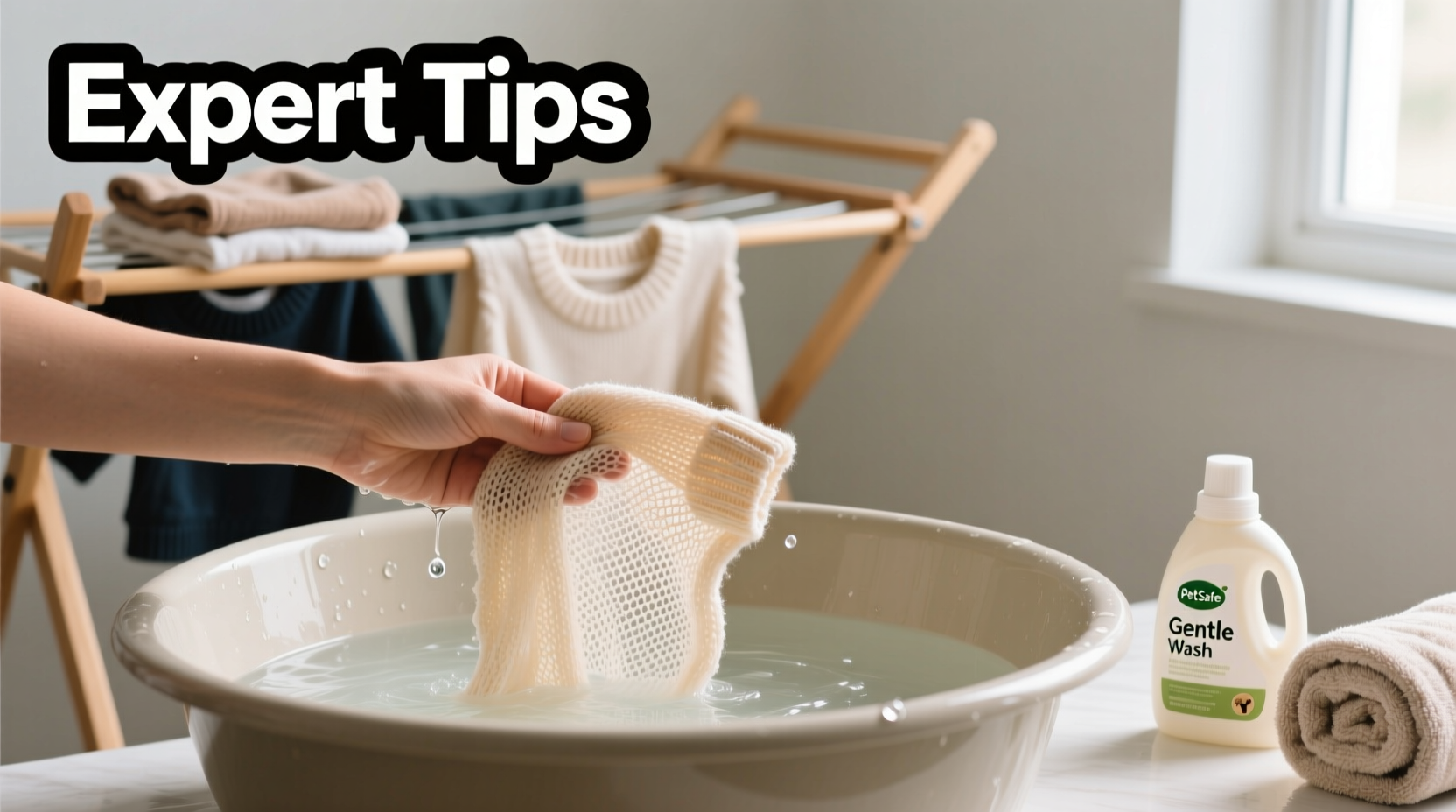
Unlike standard pet apparel made from durable cotton or polyester, delicate dog clothes often feature fine stitching, embellishments, or natural fibers sensitive to heat, friction, and harsh detergents. These materials may include hand-knit sweaters, formal wear with lace accents, or seasonal coats lined with soft fleece blends. When subjected to aggressive washing cycles or high dryer heat, such items can quickly lose shape, develop pilling, or become unwearable.
Veterinary dermatologists emphasize that poorly cleaned garments can also harbor bacteria, yeast, or allergens—especially if stored damp. This poses risks not only to the garment’s lifespan but also to your dog’s skin health. Proper laundering isn’t just about aesthetics; it’s part of responsible pet wellness.
“Just like baby clothes, delicate pet garments need gentle handling. The fabric is often thinner and more prone to snagging, so machine agitation should be minimized.” — Dr. Laura Nguyen, Veterinary Dermatology Consultant
Step-by-Step Guide: How to Wash Delicate Dog Clothes Safely
Cleaning delicate dog clothes doesn't have to be complicated, but it does require attention to detail. Follow this methodical process to preserve quality while ensuring cleanliness.
- Check the care label: Always read manufacturer instructions first. Look for symbols indicating hand wash only, dry clean, or maximum water temperature.
- Pre-treat stains gently: Use a soft cloth dampened with diluted mild detergent (like baby shampoo) to dab at soiled areas. Avoid rubbing, which can spread stains or damage fibers.
- Fill basin with lukewarm water: Never use hot water, as it can cause wool or cotton blends to shrink. Ideal temperature: 30°C (86°F) or lower.
- Add pet-safe detergent: Choose fragrance-free, hypoallergenic liquid detergents formulated for delicates or sensitive skin. Avoid bleach or fabric softeners.
- Soak for 5–10 minutes: Submerge the garment fully. Gently press down without twisting or wringing.
- Rinse thoroughly: Drain soapy water and refill with clean, cool water. Repeat until no suds remain.
- Remove excess moisture: Lay the garment flat on a clean towel. Roll the towel up gently to absorb water. Do not twist or hang wet knits, as they will stretch.
- Air-dry flat: Place on a drying rack away from direct sunlight or heat sources. Reshape sleeves and collars carefully before drying.
Do’s and Don’ts: Best Practices for Delicate Fabric Care
| Do’s | Don’ts |
|---|---|
| Use pH-balanced, pet-friendly detergents | Use regular household laundry detergent |
| Wash similar colors together | Wash darks with whites |
| Hand wash or use a mesh laundry bag in gentle cycle | Overload the washing machine |
| Air-dry flat on a clean surface | Tumble dry on high heat |
| Store folded in a breathable cotton bag | Hang knitted sweaters long-term |
Real Example: Preserving a Hand-Knit Winter Sweater
Sophie, a Pomeranian owner from Portland, Oregon, purchased a hand-knit alpaca-blend sweater for her dog Milo to wear during winter walks. After two machine washes, the sweater shrank significantly and developed loose threads around the neckband. Distressed, she consulted a local pet groomer who recommended switching to hand washing using a wool-safe detergent.
Following the new routine, Sophie now fills her sink with cool water and a capful of Eucalan Delicate Wash. She soaks the sweater for eight minutes, rinses twice, and lays it on a mesh rack overnight. Two months later, the sweater retains its original fit and softness. “I didn’t realize dog clothes could be this fragile,” she said. “Now I treat it like my own cashmere scarf.”
Essential Checklist for Safe Cleaning
- ✔️ Read all care labels before washing
- ✔️ Separate by color and fabric type
- ✔️ Pre-treat visible stains with mild solution
- ✔️ Use cold or lukewarm water only
- ✔️ Select gentle, pet-safe detergent
- ✔️ Hand wash or use delicate cycle with mesh bag
- ✔️ Press out water—never wring or twist
- ✔️ Dry flat, reshaping as needed
- ✔️ Store folded in a dry, ventilated space
- ✔️ Inspect monthly for signs of wear or odor buildup
Frequently Asked Questions
Can I use baby detergent on my dog’s delicate clothes?
Yes, most fragrance-free baby detergents are safe and effective for washing delicate dog garments. They are designed for sensitive skin and lack harsh chemicals. Just ensure thorough rinsing to prevent residue buildup that might irritate your pet’s coat.
How often should I wash delicate dog clothes?
Light-use items like indoor sweaters should be washed every 3–4 wears. Outerwear exposed to rain, mud, or snow should be cleaned immediately after getting dirty. For dogs with allergies or skin conditions, wash after every use to minimize allergen retention.
Is it ever okay to machine wash delicate dog clothes?
Only if the care label permits and you take precautions. Use the “hand wash” or “delicate” cycle, place the garment in a zippered mesh laundry bag, and secure any Velcro or buttons. Never use a top-loading washer with an agitator, as it increases friction and tangling risk.
Maintaining Long-Term Quality and Comfort
Beyond cleaning, ongoing maintenance plays a crucial role in preserving delicate dog clothes. Regularly inspect seams, buttons, and elastic bands for signs of stress. Trim loose threads carefully with small scissors to prevent unraveling. If storing seasonally, avoid plastic bins—opt for cotton storage bags or drawers lined with cedar blocks to deter moths naturally.
For specialty items like embroidered jackets or silk-lined vests, consider professional dry cleaning once or twice a year. Inform the cleaner that the garment is for pet use and request eco-friendly solvents to minimize chemical exposure.
“The best care routine combines prevention, prompt cleaning, and mindful storage. A well-maintained dog outfit can last three times longer than one washed haphazardly.” — Maria Chen, Textile Preservation Specialist
Conclusion
Caring for delicate dog clothes goes beyond simple laundry—it’s an act of love and attentiveness to your pet’s comfort and well-being. By adopting gentle washing techniques, respecting fabric limitations, and staying consistent with upkeep, you extend the life of each piece while keeping your dog cozy and stylish. Whether it’s a birthday tutu or a winter turtleneck, every garment deserves thoughtful treatment.
💬 Have a favorite method for cleaning your dog’s delicate outfits? Share your experience in the comments and help fellow pet parents keep their pups looking sharp and feeling great!








