Every dog owner knows the heartbreak of finding a favorite toy in shreds just hours after handing it over. While chewing is a natural and essential behavior for dogs—supporting dental health, reducing anxiety, and providing mental stimulation—not all toys are built to withstand enthusiastic jaws. Choosing durable, wear-resistant dog toys isn’t just about saving money or avoiding mess; it’s about safety, longevity, and keeping your dog engaged without risk of ingesting harmful materials.
The market is flooded with colorful, squeaky, plush, and rubber toys, but many fail under sustained pressure from strong chewers. The key lies in understanding your dog’s play style, jaw strength, and preferences—and pairing that knowledge with smart material choices and design features that stand up to real-world use.
Understand Your Dog’s Chewing Behavior
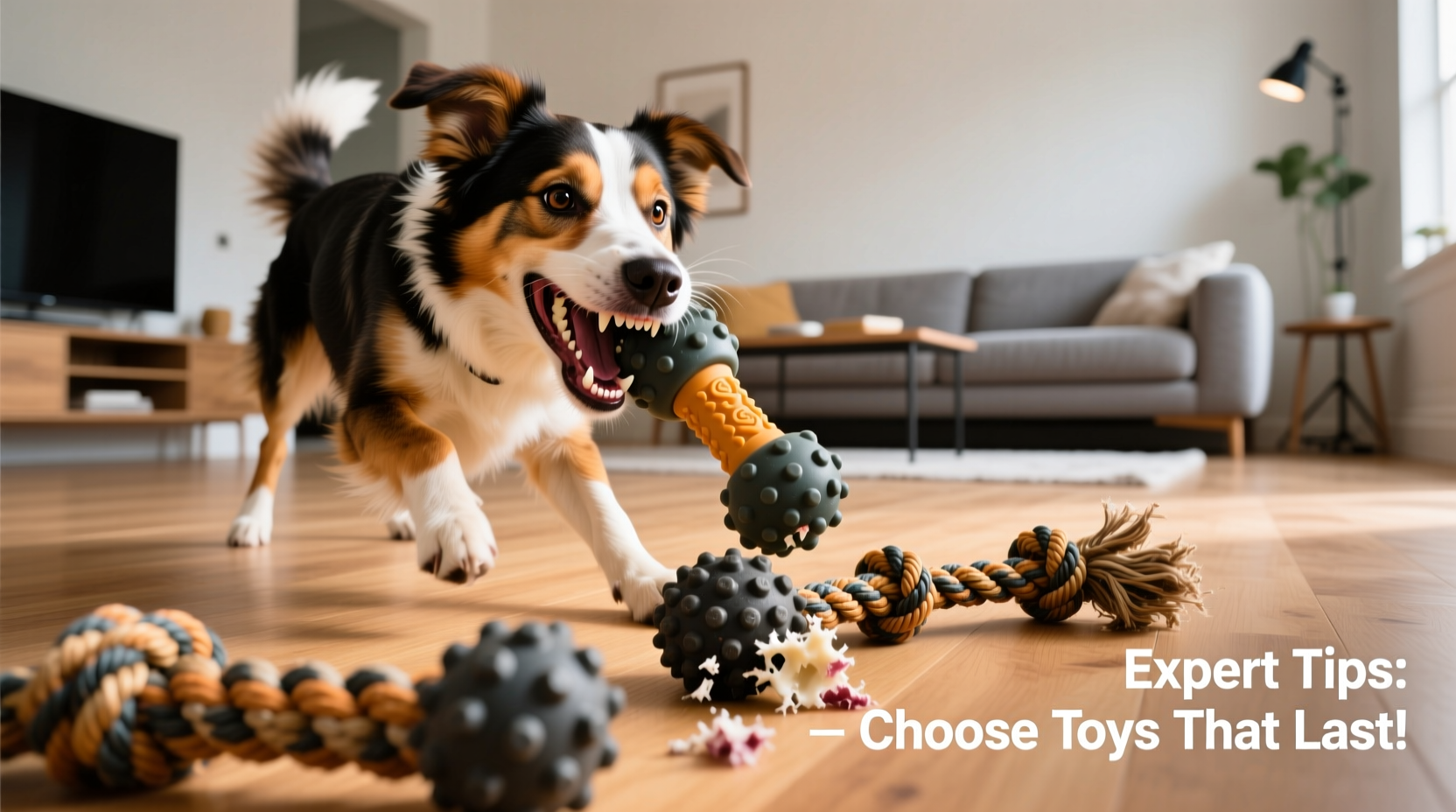
Dogs chew for various reasons: teething puppies explore textures, high-energy breeds relieve stress through gnawing, and intelligent breeds seek mental engagement. However, not all chewers are the same. Categorizing your dog’s chewing intensity helps narrow down suitable toy types:
- Light Chewers: Dogs who gently mouth toys or carry them around. Ideal for soft rubber, plush, or fabric-based toys.
- Moderate Chewers: Dogs who show visible tooth marks but don’t destroy toys quickly. Look for medium-density rubber or reinforced nylon.
- Aggressive Chewers: Dogs who power through ropes, shred plush toys, or crack basic rubber. These require ultra-durable materials like solid rubber compounds or ballistic nylon.
Material Matters: What Works (and What Doesn’t)
The foundation of a long-lasting dog toy is its material. Some substances mimic appealing textures but break down fast, posing choking hazards. Others are engineered specifically for resilience and safety.
| Material | Pros | Cons | Best For |
|---|---|---|---|
| Natural Rubber | Flexible, non-toxic, bounces well | Can degrade if exposed to sunlight; softer types break under heavy chewing | Puppies, light to moderate chewers |
| Vulcanized Rubber | Extremely tough, heat-treated for durability | Heavier, less flexible | Power chewers (e.g., German Shepherds, Pit Bulls) |
| Ballistic Nylon | Originally for body armor—resists tearing | Less interactive; limited shapes | Tug-of-war lovers, fetch players |
| Fabric/Plush | Soft, comforting, great for cuddling | Rips easily; stuffing and squeakers become hazards | Companion dogs, supervised play only |
| Hard Plastic (Food-Grade) | Non-porous, dishwasher-safe, holds treats | Brittle in cold weather; can splinter if low quality | Interactive puzzle toys, treat dispensers |
“Durability starts with molecular integrity. Vulcanized rubber and high-density polymers resist fracturing even under repetitive stress.” — Dr. Lena Torres, Veterinary Biomechanics Researcher, UC Davis
Design Features That Enhance Longevity
Beyond raw materials, smart engineering plays a critical role in how long a toy lasts. Look for these design elements when shopping:
- Seamless Construction: Toys with glued or stitched seams are weak points. Seamless molded rubber or welded nylon resists separation.
- No Small Attachments: Avoid toys with eyes, ears, or tails that can be bitten off. One-piece designs are safest.
- Textured Surfaces: Grooves and ridges help clean teeth and provide grip, reducing slippage and frustration.
- Hollow Centers for Treats: Encourages longer engagement and slows destruction by redirecting focus from chewing to problem-solving.
Real-World Example: Max the Labrador’s Toy Transformation
Max, a 2-year-old energetic yellow Lab, had destroyed over 15 plush and rubber toys in six months. His owners constantly replaced squeaky dinosaurs and tennis balls, often finding foam chunks in the backyard. After consulting a canine behaviorist, they switched strategies.
Instead of plush, they introduced a vulcanized rubber Kong Extreme and a ballistic nylon tug rope. They also added a treat-dispensing puzzle toy made from food-grade polypropylene. Within weeks, Max spent more time working for kibble than shredding fabric. The new toys showed minimal wear after three months—compared to daily replacements before.
The change wasn’t just financial—it reduced cleanup, eliminated vet visits for mild gastrointestinal upset from ingested fluff, and gave Max healthier outlets for his energy.
Step-by-Step Guide to Selecting the Right Durable Toy
- Assess Chew Strength: Review past toy damage. Did it get shredded, punctured, or merely slobbered on?
- Measure Jaw Size: Ensure the toy is too large to fit entirely in the mouth, preventing accidental swallowing.
- Check Material Safety: Verify non-toxic certification (look for FDA-compliant or BPA-free labels).
- Evaluate Design Simplicity: Choose solid, one-piece builds without loose parts.
- Test Supervised Play: Introduce the toy while watching. If teeth leave deep grooves in under 10 minutes, consider an even tougher option.
- Rotate and Refresh: Keep two or three durable toys in rotation to maintain novelty and reduce wear on any single item.
Dog Toy Selection Checklist
Use this quick-reference checklist before purchasing any dog toy:
- ☑ Made from vulcanized rubber, ballistic nylon, or food-grade plastic
- ☑ No small, detachable parts (eyes, squeakers near surface)
- ☑ Sized appropriately—not small enough to swallow
- ☑ Free of toxic dyes, phthalates, and chemical odors
- ☑ Designed for your dog’s play style (chewing, fetching, tugging)
- ☑ Easy to clean (dishwasher-safe or wipeable)
- ☑ Backed by manufacturer durability guarantee (if available)
Frequently Asked Questions
Can durable dog toys still be fun?
Absolutely. Many long-lasting toys incorporate bouncing, floating, treat-hiding, or unpredictable movement patterns. Brands like West Paw, Kong, and GoughNuts design for both entertainment and endurance. A durable toy should challenge your dog mentally as much as it withstands physical stress.
How do I know when to replace a dog toy?
Retire any toy showing deep cracks, exposed internal layers, broken edges, or missing chunks. Even tough materials degrade over time. As a rule, inspect toys weekly and discard anything that could splinter or be swallowed. Floating rubber toys, for example, may develop microfractures after prolonged sun exposure.
Are “indestructible” dog toys really indestructible?
No toy is truly indestructible. Marketing terms like “indestructible” are hyperbolic. Instead, look for toys labeled “chew-resistant” or “tough-chew approved.” Realistically, even the strongest toys have limits—especially against determined dogs with powerful jaws. Supervision remains essential.
Final Thoughts: Prioritize Safety, Not Just Strength
Selecting durable dog toys goes beyond toughness. It’s about matching material science with behavioral insight to create safe, enriching experiences. The most resilient toy in the world fails if it encourages unhealthy habits or poses hidden risks. Always supervise playtime, especially with aggressive chewers, and avoid leaving dogs unattended with any toy designed for active destruction.
Investing in high-quality, wear-resistant toys pays off in fewer vet bills, less waste, and happier dogs. When your pet engages with a well-made toy, you’re not just buying time—you’re supporting their instinctual needs in a safe, sustainable way.
🚀 Ready to upgrade your dog’s toy collection? Start with one ultra-durable option this week—your pup (and your floors) will thank you. Share your go-to chew-proof toy in the comments below!








