Every day, millions of dogs walk beside their owners, ride in cars, or lounge at home—all while wearing a collar. More than just a fashion statement or identification tag holder, a dog collar plays a crucial role in safety, comfort, and communication. Yet many pet owners choose collars based on appearance alone, overlooking critical factors like fit, material integrity, and functional design. A poorly selected collar can lead to skin irritation, breathing issues, or even escape risks. Making an informed choice ensures your dog stays secure, healthy, and happy during daily activities.
Understanding Collar Types and Their Best Uses
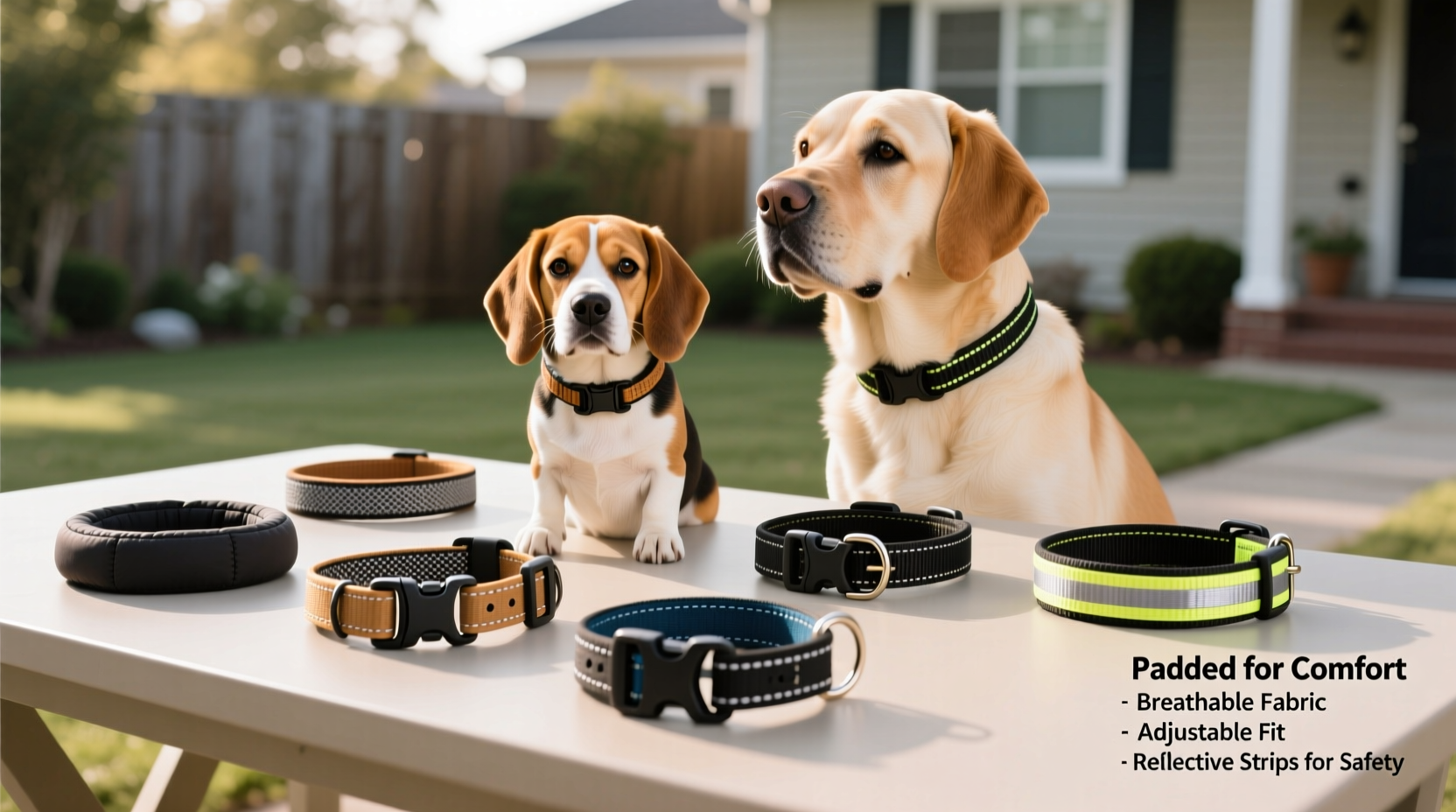
Not all collars serve the same purpose. The right type depends on your dog’s breed, size, behavior, and lifestyle. Here are the most common styles used for everyday wear:
- Flat buckle collars: The standard choice for most dogs. Made from nylon or leather with a simple clasp, they’re ideal for holding ID tags and light leash attachment.
- Harness-compatible collars: Often lighter and narrower, these are designed to work alongside harnesses, especially for dogs trained not to pull.
- Breakaway collars: Feature a quick-release mechanism that detaches if the collar snags, reducing choking risk—particularly useful for indoor-only or curious dogs.
- Reflective or illuminated collars: Designed with safety in mind, these enhance visibility during evening walks.
- Padded collars: Include extra cushioning, beneficial for dogs with sensitive necks or thick fur that traps moisture.
Key Factors in Choosing a Safe and Comfortable Collar
Selecting the right collar goes beyond aesthetics. Prioritize these five elements to ensure both safety and comfort:
- Proper Fit: A collar should allow two fingers to slide comfortably between the band and your dog’s neck. Too tight restricts movement and circulation; too loose increases escape risk.
- Material Quality: Nylon is durable and easy to clean but may chafe some dogs. Leather offers breathability and strength but requires maintenance. Biothane—a coated webbing—is water-resistant, lightweight, and hypoallergenic, making it excellent for active or outdoor dogs.
- Buckle Security: Look for heavy-duty side-release or snap buckles tested for tensile strength. Avoid flimsy plastic clasps that degrade over time.
- Weight and Flexibility: Heavy collars strain small breeds or dogs with delicate tracheas. Flexible materials conform better to movement and reduce pressure points.
- Adjustability: Multiple adjustment holes ensure a precise fit as puppies grow or adult dogs gain or lose weight.
“Dogs spend 12–16 hours a day wearing their collars. If it’s uncomfortable or ill-fitting, it can lead to chronic irritation or behavioral resistance to being handled.” — Dr. Laura Simmons, DVM, Canine Behavior & Wellness Specialist
Do’s and Don’ts When Selecting a Daily Wear Collar
| Do’s | Don’ts |
|---|---|
| Choose a collar with reinforced stitching and stress-tested hardware | Use decorative collars with weak clasps or thin straps |
| Opt for soft-edged designs to prevent fur breakage and skin abrasion | Allow excessive slack—more than two fingers’ width |
| Check the collar weekly for wear, fraying, or loosening | Forget to remove wet collars after rain or swimming |
| Consider a name tag with up-to-date contact information | Attach leashes directly to breakaway collars—use only with harnesses |
| Select reflective elements for low-light visibility | Use collars with dangling charms that could snag or be chewed |
A Real-Life Example: How One Owner Prevented a Tragedy
Sarah, a dog owner in Portland, noticed her 10-month-old Border Collie mix, Scout, scratching his neck constantly. At first, she assumed allergies. But after switching shampoos and checking for fleas without improvement, she examined the collar closely. The nylon strap had begun to fray internally, creating micro-abrasions against Scout’s skin. Worse, the buckle showed signs of stress cracking.
She replaced it with a biothane collar featuring a stainless steel side-release buckle and rounded edges. Within days, the scratching stopped. A few weeks later, Scout got his collar caught on a fence during a walk. The new buckle held firm—but more importantly, the material didn’t tear. Sarah credits the upgrade not just with restoring comfort, but potentially preventing a dangerous entanglement incident.
This case underscores a vital point: routine inspection and quality materials aren’t luxuries—they’re essential components of responsible pet ownership.
Step-by-Step Guide to Fitting a Dog Collar Correctly
Fitting a collar properly takes less than a minute but has lasting benefits. Follow this process every time you put on or adjust a collar:
- Hold the collar flat and measure it against your dog’s neck using a soft tape measure. Note where the middle hole falls.
- Position the collar high on the neck, just behind the ears and above the shoulders—not lower where pulling strains the trachea.
- Fasten the buckle securely and test fit: Slide two fingers between the collar and neck. If only one fits, it’s too tight. If three slide easily, it’s likely too loose.
- Check for twisting—ensure the collar lies flat and doesn’t roll to the side.
- Observe behavior for the next hour. Signs of discomfort include pawing at the neck, shaking the head, or reluctance to move.
- Reassess monthly, especially for growing puppies or dogs undergoing weight changes.
Frequently Asked Questions
Can I leave my dog’s collar on all the time?
Veterinarians generally recommend removing collars during unsupervised periods, especially at night or when crated. While daily wear is expected, continuous use increases the risk of entanglement or skin irritation. Rotate collars if possible, and always inspect them daily for damage.
How often should I replace a dog collar?
Inspect collars monthly. Replace immediately if you notice frayed stitching, cracked buckles, or stretched material. As a general rule, replace nylon collars every 6–12 months with regular use, and leather or biothane every 18–24 months, depending on condition.
Is a harness better than a collar for everyday use?
For walking, yes—harnesses distribute pressure more evenly and reduce neck strain. However, a collar is still essential for ID tags and quick access. Use both: a well-fitted collar under a harness provides optimal safety and compliance with local leash laws.
Final Checklist Before Buying
- ✅ Measure your dog’s neck accurately before purchasing
- ✅ Confirm the collar has multiple adjustment points
- ✅ Verify the buckle is strong and tested for durability
- ✅ Choose a material suited to your dog’s coat and activity level
- ✅ Ensure ID tags are attached and legible
- ✅ Test fit at home and monitor initial reactions
- ✅ Register your dog’s microchip and link it to the tag info
Conclusion: Safety Starts With the Right Collar
Your dog’s collar is more than an accessory—it’s a daily tool for identification, control, and protection. By choosing a well-constructed, properly fitted collar made from safe materials, you support your pet’s physical health and emotional comfort. Whether you have a rambunctious puppy or a senior dog enjoying quiet strolls, investing time in the right collar pays off in peace of mind and long-term well-being.
🚀 Take action today: Re-examine your dog’s current collar using the fit test and checklist above. If it shows wear or doesn’t meet safety standards, replace it with a better option. Your dog depends on you—not just for love and food, but for thoughtful choices that keep them safe every single day.








