
Winter gear keeps puppies warm during cold months, but frequent use leads to dirt, odors, and wear. Unlike human clothing, dog apparel faces mud, snow, drool, and outdoor debris daily. Improper cleaning can damage fabrics, reduce insulation, or irritate sensitive skin. Understanding how to care for these garments properly ensures they remain effective, safe, and long-lasting. With the right techniques, you can preserve both function and comfort while supporting your puppy’s health and well-being.
Why Proper Care Matters for Puppy Winter Wear
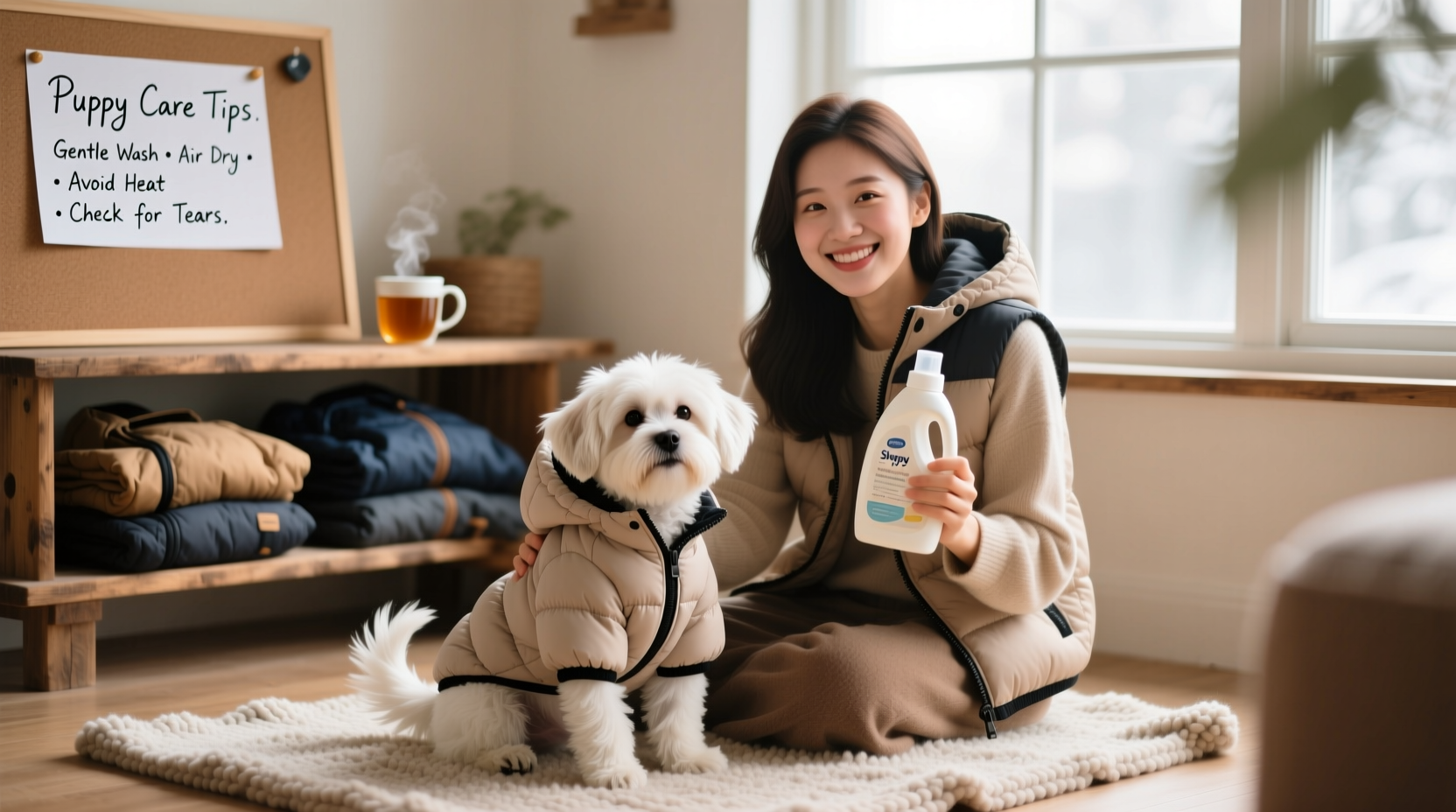
Puppy winter clothes are designed with specific materials—fleece, wool blends, waterproof shells, and thermal linings—that serve distinct purposes. Each material responds differently to water, heat, and detergents. Harsh treatment can compromise breathability, shrink fibers, or strip waterproof coatings. Additionally, residue from improper rinsing may cause skin irritation, especially in young dogs with delicate dermal layers.
Regular maintenance also prevents bacterial growth from trapped moisture and reduces odor buildup. A clean coat isn’t just about appearance; it supports hygiene and helps regulate body temperature efficiently. When a garment loses its integrity due to poor care, your puppy may not stay as warm—even if the item still looks intact.
“Many cases of canine dermatitis in winter stem from poorly cleaned outerwear. Residual detergent or mildew is often the culprit.” — Dr. Lena Torres, DVM, Small Animal Dermatology Specialist
Step-by-Step Guide: How to Safely Clean Puppy Winter Clothes
Cleaning puppy clothes requires more attention than tossing them into a regular laundry load. Follow this timeline to ensure thorough yet gentle care:
- Inspect the garment: Check for tears, loose stitching, or stuck burrs. Remove any debris manually before washing.
- Check care labels: Look for manufacturer instructions on water temperature, drying methods, and chemical restrictions.
- Pre-treat stains: Use a pet-safe stain remover or a paste of baking soda and water on muddy or oily spots. Gently scrub with a soft toothbrush.
- Wash separately: Place items in a mesh laundry bag and wash on a gentle cycle using cold to lukewarm water (never hot).
- Use mild detergent: Choose fragrance-free, hypoallergenic detergent formulated for sensitive skin. Avoid bleach, fabric softeners, and optical brighteners.
- Rinse thoroughly: Run an extra rinse cycle to eliminate all soap residue.
- Dry naturally: Air-dry flat away from direct heat sources like radiators or sunlight, which can warp elastic and degrade synthetic fibers.
- Final inspection: Once dry, check for lingering odors or stiffness. If needed, lightly brush fleece surfaces to restore loft.
Do’s and Don’ts: Caring for Different Fabric Types
Not all winter clothes are made equal. The fabric determines the safest cleaning method. Refer to this table when handling various materials:
| Fabric Type | Do’s | Don’ts |
|---|---|---|
| Fleece | Hand-wash or gentle machine cycle; air-dry flat; brush lightly to revive texture | Avoid high heat, fabric softener, or wringing out |
| Waterproof Shell (e.g., nylon with PU coating) | Spot-clean first; use mild soap; rinse well; hang to dry indoors | Never use solvent-based cleaners; avoid ironing or tumble drying |
| Wool or Wool Blend | Use wool-safe detergent; cold hand-wash; lay flat to dry | Don’t agitate or twist; avoid alkaline detergents |
| Insulated Puffer Jackets | Wash gently with down-specific detergent; ensure full drying to prevent clumping | Don’t overload washer; never skip drying step even if damp |
Storage Tips to Extend Garment Life Between Seasons
After winter ends, proper storage prevents mold, pests, and fiber degradation. Always store clean clothes—never pack away soiled items, as residual oils attract moths and mildew.
- Ensure garments are completely dry before storing.
- Fold rather than hang to prevent shoulder stretching, especially in knit items.
- Place in breathable cotton bags or sealed plastic bins with cedar blocks (avoid mothballs—they’re toxic to pets).
- Store in a cool, dark closet away from concrete walls to minimize humidity exposure.
Real Example: A Siberian Husky Owner’s Routine
Maria, a breeder in Minnesota, manages winter gear for eight working husky puppies. She noticed recurring redness along the chest area of two pups after prolonged coat use. After consulting her veterinarian, she learned that detergent residue was likely causing contact irritation. Maria switched to a plant-based, unscented detergent and added an extra rinse cycle. She now washes coats every 7–10 days during peak winter and inspects each one weekly for wear. Within three weeks, the skin issues resolved. “I didn’t realize how harsh regular detergents could be,” she said. “Now I treat their clothes like baby clothes—gentle, frequent, and thorough.”
Essential Checklist for Puppy Winter Clothing Care
Keep this checklist handy for consistent upkeep:
- ✅ Inspect coat for damage before and after each use
- ✅ Remove mud or debris promptly
- ✅ Wash every 1–2 weeks depending on usage
- ✅ Use only pet-safe, hypoallergenic detergent
- ✅ Air-dry fully—never machine dry
- ✅ Store clean, dry, and folded in a ventilated container
- ✅ Rotate multiple coats to reduce strain on single items
FAQ: Common Questions About Cleaning Puppy Winter Gear
Can I use baby wipes to clean my puppy’s coat between washes?
Yes—but only on spot areas and with caution. Choose alcohol-free, fragrance-free wipes labeled safe for pets. Wipe only exterior surfaces and avoid seams where moisture can get trapped. Never substitute wipes for full washing.
How often should I replace puppy winter clothes?
Most quality coats last one to two seasons with proper care. Replace when you notice thinning insulation, broken zippers, or poor fit due to growth. Puppies grow quickly, so size changes may require earlier replacement than wear.
Is it safe to hand-wash with dish soap?
No. Dish soaps like Dawn are too harsh for delicate fabrics and can strip protective coatings on waterproof layers. They also leave residues that irritate skin. Always use a detergent designed for clothing or pets.
Protect Warmth, Comfort, and Longevity
Caring for your puppy’s winter clothes goes beyond cleanliness—it’s an investment in their comfort, mobility, and skin health. By following science-backed cleaning practices and respecting fabric-specific needs, you extend the life of each garment and ensure reliable protection during cold weather. These habits also set a foundation for responsible pet ownership, where attention to detail reflects true compassion.
💬 Have a favorite eco-friendly detergent or storage hack for puppy gear? Share your experience in the comments and help fellow pet parents keep their pups cozy and safe all winter long!








