Trimming your dog’s paw hair isn’t just about appearance—it plays a crucial role in their comfort, hygiene, and mobility. Excess fur between the pads can trap dirt, ice, or debris, cause slipping on smooth floors, and even lead to matting or skin irritation. While many pet owners opt for professional grooming, learning how to safely shave your dog’s paws at home saves time, reduces stress for your pet, and strengthens your bond. With the right tools, technique, and patience, you can perform this task confidently and effectively.
Why Paw Hair Trimming Matters
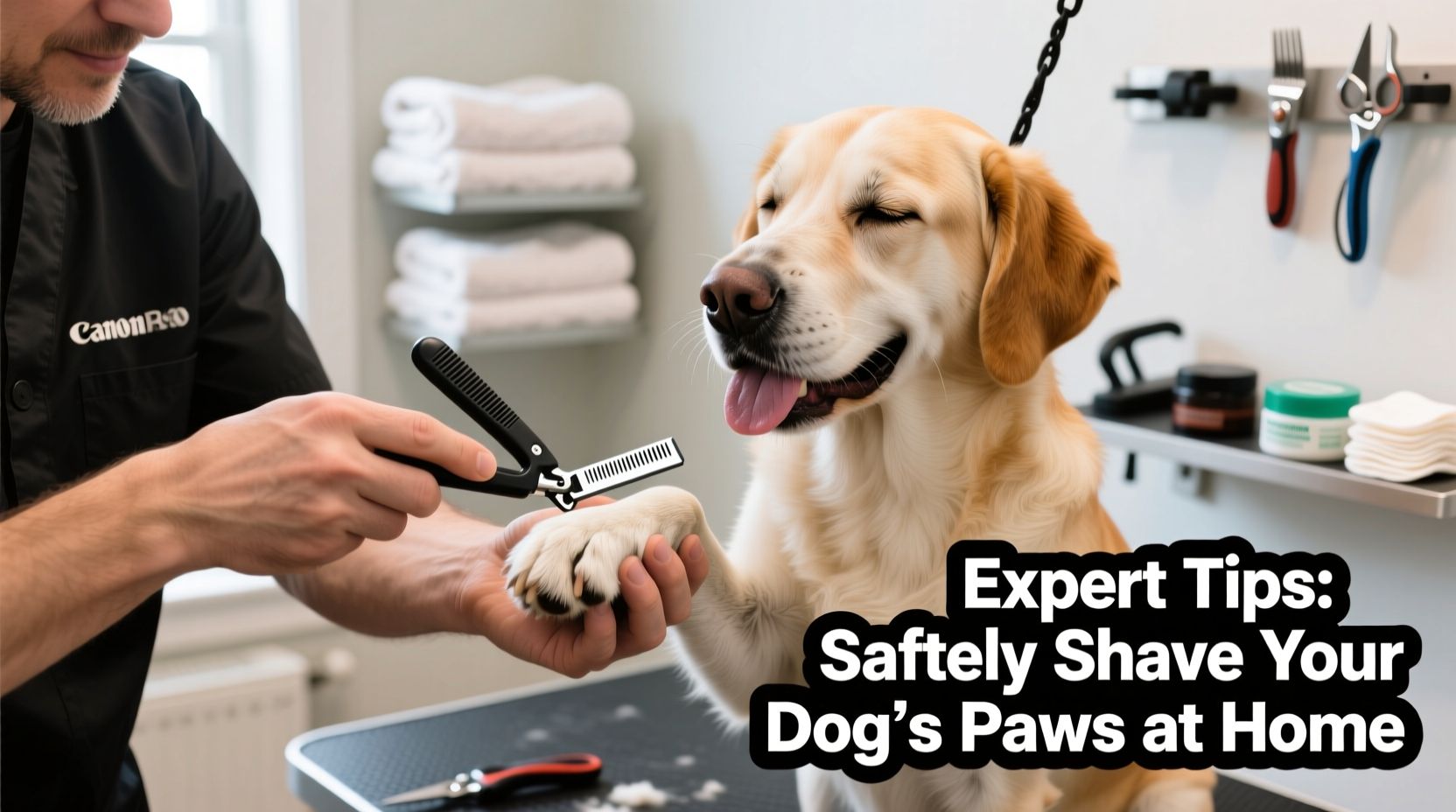
Dogs with long or thick coats—such as Poodles, Shih Tzus, Bichon Frises, or mixed breeds like Cockapoos—are especially prone to excessive hair growth between their paw pads. This buildup doesn’t just look messy; it can interfere with traction, collect fecal matter during bathroom breaks, and harbor moisture that leads to bacterial or fungal infections.
Regular maintenance prevents these issues and supports overall foot health. Unlike full-body clipping, paw shaving is a targeted task that requires precision but can be completed in under 10 minutes once your dog is accustomed to the process.
Tip: Trim paw hair every 2–3 weeks to prevent matting and maintain cleanliness.Essential Tools and Preparation
Before beginning, gather the proper equipment. Using inappropriate tools increases the risk of nicks, discomfort, or ineffective results. The following items are recommended by veterinary dermatologists and professional groomers:
- Curved clippers or scissors – Ideal for navigating around sensitive areas without scratching the skin.
- Cordless pet trimmer – Offers better control and reduces noise anxiety compared to corded models.
- Steady surface – A non-slip mat or table helps keep your dog stable.
- Treats and positive reinforcement tools – Use high-value treats to reward calm behavior.
- Brush or comb – To detangle fur before trimming.
- Styptic powder – In case of accidental cuts, this stops bleeding quickly.
Choose blades designed for fine detail work—typically size #30 or #15—and ensure they’re clean and sharp. Dull blades pull hair and increase discomfort.
Step-by-Step Guide to Safe Paw Trimming
Follow this sequence to minimize stress and maximize safety:
- Acclimate your dog – Spend several days touching and handling their paws gently. Reward them each time to build positive associations.
- Brush the paw area – Remove tangles from the fur between and around the pads. Matted hair pulls skin when cut.
- Lift one paw at a time – Support the foot firmly but gently. Never force if your dog resists.
- Spread the toes slightly – This exposes hidden hair trapped between the pads without stretching the skin.
- Begin trimming from the outer edges – Use short, controlled strokes with clippers or rounded-tip scissors. Avoid pressing too hard.
- Cut parallel to the pad surface – Keep the tool flat against the skin to avoid cutting too deep.
- Check for missed spots – Rotate the paw and inspect all angles. Pay attention to hair growing near the nail base.
- Reward immediately – Offer praise and a treat after each paw.
If your dog becomes anxious, pause and resume later. Multiple short sessions are more effective than one stressful experience.
| Do | Don’t |
|---|---|
| Use blunt-tipped scissors for safety | Use kitchen shears or sharp-pointed tools |
| Work in a quiet, distraction-free space | Attempt trimming during loud or chaotic times |
| Clip slowly and check frequently | Rush or make deep cuts in one motion |
| Stop if your dog shows signs of pain | Force restraint or ignore discomfort signals |
| Sanitize tools before and after use | Share clippers between pets without cleaning |
Expert Insight: What Professionals Recommend
Grooming isn't just cosmetic—it's preventive care. Certified Master Groomer Linda Chen emphasizes the importance of routine paw maintenance:
“Between regular walks and exposure to allergens, pavement salt, and grass seeds, a dog’s paws face constant environmental stress. Keeping the hair trimmed creates a cleaner barrier and reduces infection risks.” — Linda Chen, National Dog Groomers Association of America (NDGAA)
Veterinarians also note that older dogs or those with arthritis benefit significantly from shorter paw hair, as improved grip enhances stability and reduces fall risks indoors.
Real Example: Managing a Nervous Rescue Dog
Max, a 4-year-old mixed-breed rescue, had matted fur packed between his paw pads from months of neglect. His adoptive owner, Sarah, noticed he was slipping on hardwood floors and avoiding stairs. When she tried trimming, Max panicked and pulled away.
Instead of forcing the issue, Sarah spent two weeks desensitizing him: touching his paws daily, offering treats, and letting him sniff the clippers while turned off. She began with just one toe on one paw, rewarding heavily. Over time, Max allowed full trims every three weeks. Today, he walks confidently, and grooming has become a bonding ritual.
This case illustrates that patience and consistency yield better long-term results than speed or perfection.
Common Challenges and How to Handle Them
Even experienced pet owners encounter obstacles. Here’s how to manage frequent issues:
- Dog won’t sit still – Try grooming after a walk when they’re calmer. Use a helper to gently hold the body while you focus on the paws.
- Fur keeps getting caught in blades – Clean the clipper blade often with a small brush. Apply a drop of clipper oil to reduce friction.
- Sensitive skin or redness – Stop immediately. Use a hypoallergenic wipe to clean the area and skip trimming for a few days. Consult your vet if irritation persists.
- Bleeding from a nick – Apply styptic powder or cornstarch with gentle pressure. Most minor cuts stop within minutes.
Frequently Asked Questions
Can I use human clippers to trim my dog’s paws?
No. Human clippers are not designed for thick or coarse pet hair and may overheat or tug painfully. Pet-specific trimmers have stronger motors and safer blade configurations.
How short should I cut the paw hair?
Cut just enough so the hair doesn’t extend beyond the pads. You should still see a slight fringe, but no bulk that bunches when the paw closes. Over-trimming can expose sensitive skin.
My dog hates having their paws touched—what can I do?
Start with basic handling exercises: touch each toe, apply light pressure, then reward. Gradually increase duration. Pair each session with play or feeding to create positive links. Consider consulting a force-free trainer if fear persists.
Final Checklist Before You Begin
- ✅ Dog is calm and well-rested
- ✅ All tools are clean, charged, and ready
- ✅ Treats are within reach
- ✅ Work area is quiet and safe
- ✅ First-aid supplies (styptic powder, gauze) are nearby
- ✅ You’ve brushed out any mats or tangles
Conclusion: Make Grooming a Positive Routine
Shaving your dog’s paws at home doesn’t have to be daunting. With preparation, the right tools, and a compassionate approach, it becomes a manageable part of your pet care routine. More importantly, it contributes directly to your dog’s comfort, hygiene, and quality of life. Start slow, celebrate small progress, and remember that consistency builds confidence—for both you and your pet.
💬 Have a tip or story about grooming your dog at home? Share your experience in the comments to help fellow pet owners learn and grow!








