Puppies are naturally curious and energetic, and squeaky toys can be a fantastic way to engage their senses and encourage healthy play. However, not all squeaky toys are created equal. Many popular options on the market contain harmful materials, weak construction, or choking hazards that can put a puppy’s safety at risk. Choosing the right toy means balancing durability, safety, and mental stimulation. With so many products available, it’s essential to know what features truly matter when selecting a squeaky toy that will last and protect your growing pup.
Why Safety and Durability Matter in Puppy Toys
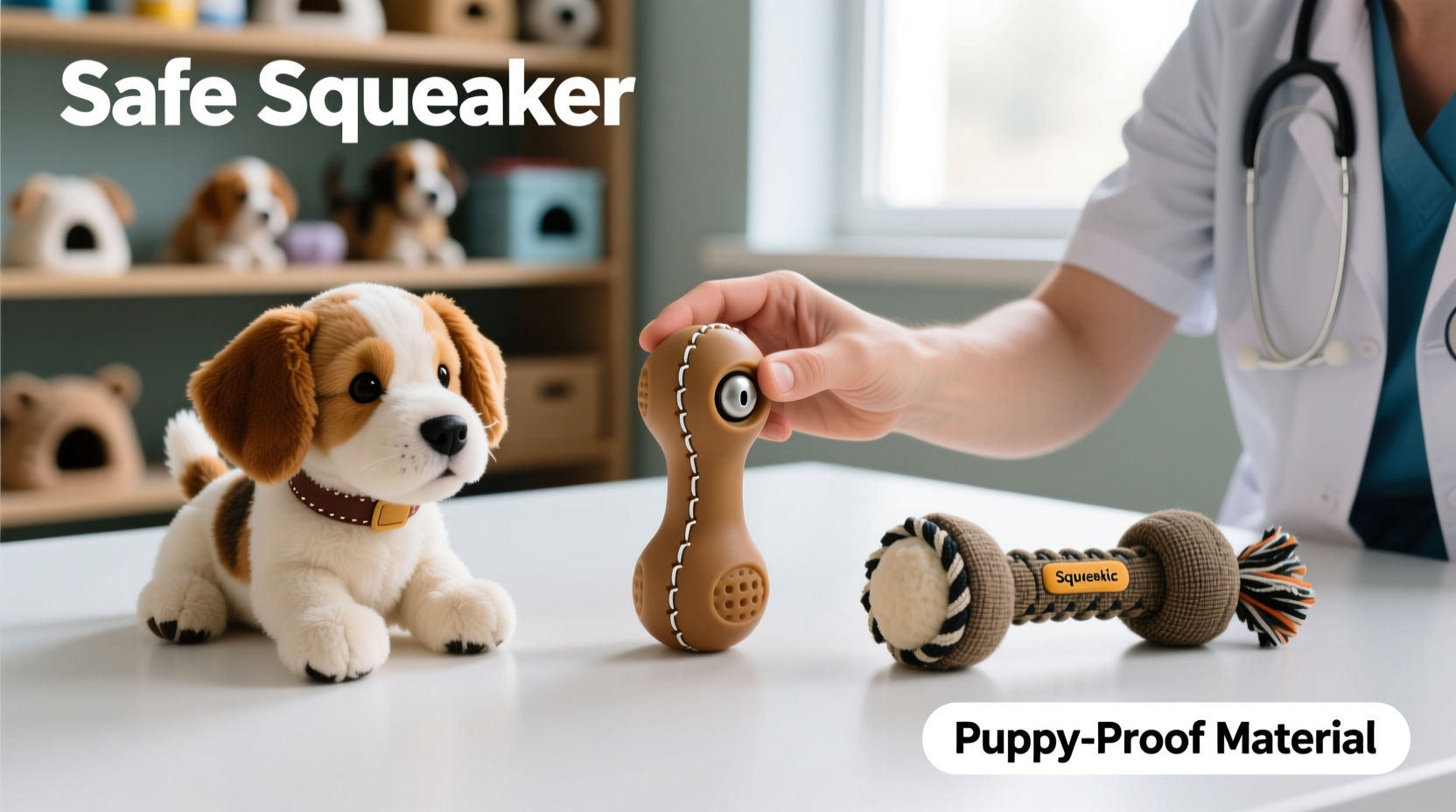
Puppies explore the world with their mouths. From 8 to 16 weeks, they go through a teething phase where chewing helps relieve gum discomfort. During this time, they’re more likely to tear apart toys quickly, increasing the risk of ingesting small parts or toxic substances. A poorly made squeaky toy can break down within minutes, exposing sharp edges, plastic fragments, or chemical-laden stuffing. Beyond physical dangers, low-quality materials may contain phthalates, BPA, or lead—substances linked to developmental and health issues in young animals.
Durability is equally important. Puppies grow rapidly, and their jaws strengthen significantly in just a few months. A toy that seems sturdy today might not withstand tomorrow’s chewing session. Investing in well-made, long-lasting toys reduces waste, saves money over time, and prevents frustration when a favorite toy disintegrates mid-play.
Tip: Always supervise your puppy during the first few play sessions with a new squeaky toy to assess its reaction and the toy’s integrity.Key Features of Safe and Durable Squeaky Toys
When evaluating squeaky toys, focus on material quality, structural design, and manufacturer transparency. The best options combine resilience with non-toxic components. Here’s what to look for:
- Non-Toxic Materials: Choose toys made from natural rubber, food-grade TPR (thermoplastic rubber), or certified BPA-free plastics. Avoid vinyl or PVC unless explicitly labeled as pet-safe.
- Reinforced Stitching: For fabric-based squeaky toys, double or triple stitching around stress points like seams and handles ensures longevity.
- Encapsulated Squeakers: High-end toys often feature sealed squeaker compartments that prevent access even if the outer layer is chewed through.
- No Loose Parts: Avoid toys with glued-on eyes, buttons, or ribbons that can detach and become choking hazards.
- Appropriate Size: The toy should be large enough that it cannot fit entirely into the puppy’s mouth or throat, reducing aspiration risk.
“Puppies don’t understand danger—they only know what feels fun. It’s up to us to ensure that fun doesn’t come at the cost of their health.” — Dr. Laura Simmons, Veterinary Behaviorist
Material Comparison: What Works and What Doesn’t
Not all materials perform the same under constant chewing. Some are better suited for aggressive chewers, while others are ideal for light play. The table below compares common materials used in squeaky toys:
| Material | Safety Level | Durability | Best For | Avoid If |
|---|---|---|---|---|
| Natural Rubber | High | Moderate-High | Teething puppies, moderate chewers | Puppy has latex allergy |
| TPR (Thermoplastic Rubber) | High | High | Aggressive chewers, long play sessions | Toy has strong chemical odor |
| Fleece/Plush Fabric | Low-Moderate | Low | Light chewers, comfort play | Puppy tends to shred and ingest materials |
| PVC/Vinyl | Low | Moderate | Budget options (with caution) | Not labeled phthalate-free |
| Recycled Cotton Blends | High | Low-Moderate | Eco-conscious owners, soft play | Excessive drooling or destructive chewing |
Step-by-Step Guide to Selecting the Right Toy
Finding the perfect squeaky toy doesn’t have to be overwhelming. Follow this five-step process to make an informed decision:
- Assess Your Puppy’s Chewing Style: Observe whether they nibble gently or attack toys aggressively. This determines whether plush or rubber toys are more suitable.
- Check Ingredient Labels: Look for certifications like “BPA-Free,” “Phthalate-Free,” or “FDA-Compliant Materials.” Reputable brands list this information clearly.
- Inspect Construction Quality: Press on seams, pull on ears or tails (if applicable), and listen for loose squeakers. A rattle before play indicates poor internal fixation.
- Verify Size Appropriateness: The toy should be longer than your puppy’s muzzle to prevent full-mouth ingestion.
- Read Verified Customer Reviews: Focus on feedback from owners with dogs of similar breed and age. Comments about durability after weeks of use are especially valuable.
Real Example: How One Owner Avoided a Hazard
Sarah adopted a 10-week-old Australian Shepherd named Finn. Excited to find engaging toys, she bought a colorful plush dinosaur with a loud squeaker from a discount store. Within 20 minutes of play, Finn had torn off one of the plastic eyes and swallowed it. A rushed trip to the vet confirmed the eye was lodged in his stomach, requiring minor surgery. After researching safer alternatives, Sarah switched to a rubber squirrel-shaped toy with an internal squeaker encased in a solid core. Six months later, the toy still squeaks and shows only light tooth marks. “I learned the hard way,” she says. “Now I check every label and never buy toys without reinforced interiors.”
Essential Checklist Before Purchase
Before adding any squeaky toy to your cart, run through this checklist:
- ✅ Made from non-toxic, pet-safe materials
- ✅ No small, detachable parts (eyes, noses, tags)
- ✅ Squeaker fully enclosed in a protective layer
- ✅ Appropriate size for puppy’s breed and age
- ✅ Strong seams or solid one-piece construction
- ✅ Positive reviews mentioning long-term durability
- ✅ Easy to clean (machine washable or wipeable)
Frequently Asked Questions
Are squeaky toys bad for puppies?
No, squeaky toys are not inherently bad. In fact, the sound mimics prey noises, which can satisfy a puppy’s natural hunting instincts. However, toys must be safe and matched to the puppy’s chewing level. Overstimulation or aggressive biting can occur with very loud squeakers, so monitor play behavior closely.
How often should I replace squeaky toys?
Replace a squeaky toy as soon as you notice damage—frayed edges, exposed stuffing, or a broken squeaker. Even minor tears can expand quickly. For heavy chewers, replacement may be needed every 2–4 weeks until they mature. Light chewers may get months of use from a single toy.
Can I sterilize squeaky toys?
Rubber and solid TPR toys can typically be cleaned with warm water and mild pet-safe soap. Some are dishwasher-safe (top rack only). Plush toys labeled machine-washable can be cleaned on gentle cycles. Never use bleach or harsh disinfectants, as residue can be toxic if licked.
Final Thoughts: Play Smart, Play Safe
Choosing a squeaky toy for your puppy should never be a guessing game. With the right knowledge, you can select options that provide hours of entertainment while supporting your pup’s safety and development. Prioritize materials, construction, and size over flashy designs or low prices. Remember, the goal isn’t just to keep your puppy busy—it’s to nurture healthy habits from the start.
💬 Have a favorite squeaky toy brand that passed the test? Share your experience in the comments and help fellow puppy parents make smarter choices!








