A sequined tweed dress is more than a garment—it’s a statement piece that blends timeless texture with shimmering detail. Whether worn for weddings, galas, or fashion-forward events, these dresses demand special attention to preserve their intricate construction. The combination of wool-based tweed, fragile sequins, and often structured tailoring makes routine maintenance far more complex than standard wardrobe care. Improper handling can lead to pilling, loose embellishments, fabric distortion, or irreversible shrinkage. To keep your investment looking flawless season after season, follow expert-backed methods tailored specifically to this unique textile fusion.
Understanding the Fabric: Why Tweed and Sequins Need Special Care
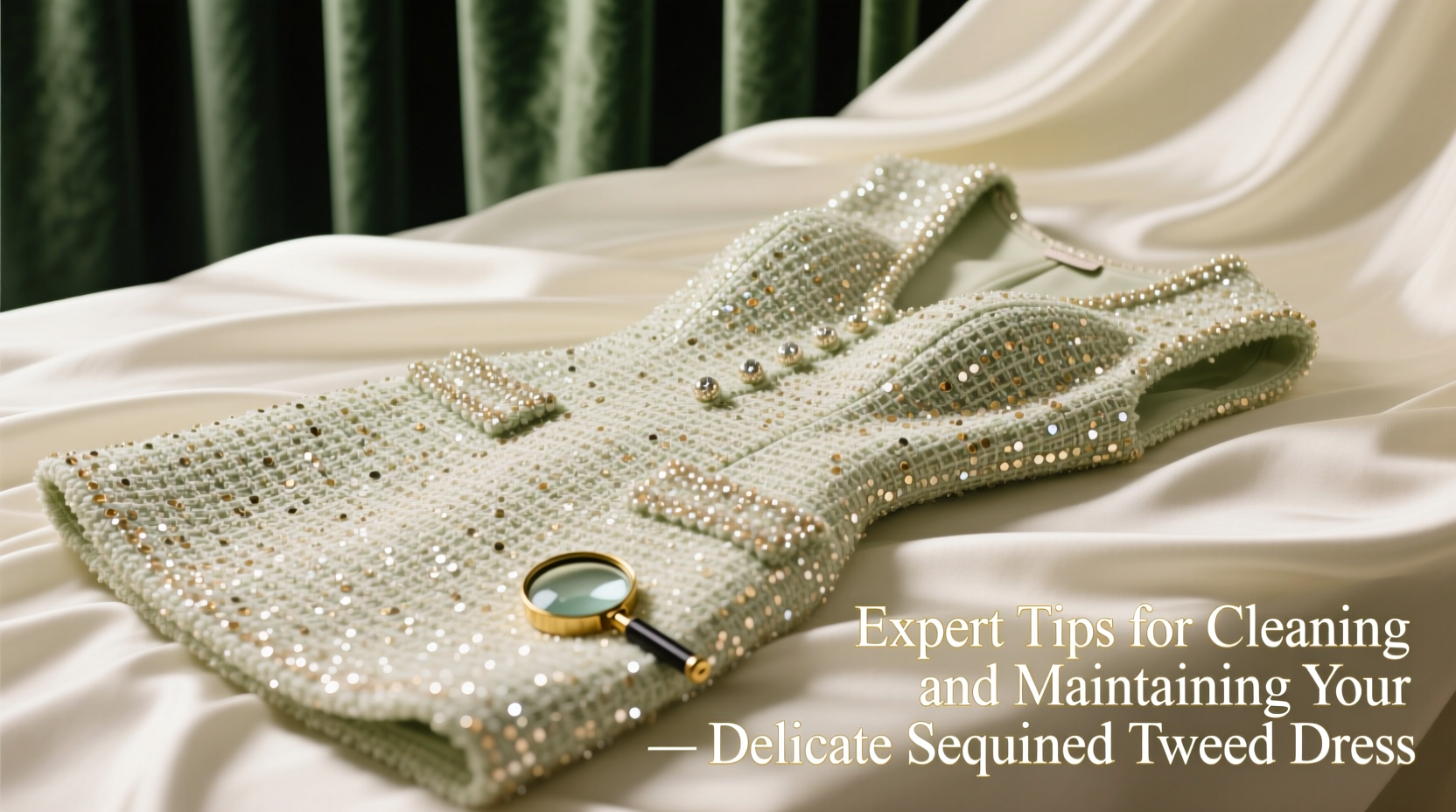
Tweed is traditionally woven from coarse wool, known for durability but prone to shrinking when exposed to heat or moisture. Modern variations may include synthetic blends, which alter care needs slightly—but still require gentle treatment. Meanwhile, sequins are typically made from plastic, acetate, or metallic-coated films, attached via stitching or heat bonding. These embellishments add visual drama but create vulnerabilities: snagging, cracking, or detachment during aggressive washing or folding.
The real challenge lies in balancing preservation of the wool’s integrity with protection of the surface decorations. Water exposure can weaken adhesive bonds on sequins, while agitation may pull threads loose. Even dry cleaning isn’t universally safe—some solvents react poorly with certain plastics or dyes used in sequin production.
“Luxury fabrics like tweed rely on natural fiber resilience, but adding sequins introduces fragility. It’s not just about cleaning—it’s about managing tension across multiple material types.” — Lila Montgomery, Textile Conservator at The Fashion Archive
Step-by-Step Guide: How to Safely Clean Your Sequined Tweed Dress
Cleaning should be approached only when necessary. Frequent washing accelerates wear. Spot cleaning and airing out between uses are usually sufficient. When deeper intervention is required, follow this timeline:
- Inspect the garment thoroughly: Check for loose sequins, frayed seams, or stains. Repair any damage before proceeding.
- Test fabric reaction: Dampen a cotton swab with distilled water or recommended solvent and gently press on an inconspicuous area (e.g., inside seam). Wait 5 minutes. Look for color bleeding, warping, or adhesion loss.
- Vacuum lightly (optional): Use a handheld vacuum with a mesh screen over the nozzle to remove surface dust without direct contact. Move slowly across sections, avoiding tugging.
- Spot clean only: Dip a microfiber cloth in a mix of lukewarm water and one drop of pH-neutral detergent. Gently dab stained areas using minimal pressure. Never rub.
- Dry flat away from sunlight: Lay the dress on a clean towel, reshaping it to original dimensions. Rotate periodically for even drying. Do not hang—it stretches shoulder seams.
- Steam cautiously: If wrinkles remain, use a garment steamer at least 6 inches from the fabric. Keep moving; never hold steam over one spot longer than 2 seconds.
Do’s and Don’ts: Essential Maintenance Table
| Do | Don’t |
|---|---|
| Store folded on a padded shelf with acid-free tissue between layers | Hang long-term—it distorts the shoulders and pulls sequins downward |
| Air out after wearing near an open window (not in direct sun) | Wear in rainy conditions—moisture weakens fibers and causes tarnishing |
| Use a soft-bristled clothes brush for light lint removal | Brush aggressively—this snags threads and scratches sequins |
| Take to a specialty cleaner experienced with haute couture textiles | Use home dry-cleaning kits—they contain harsh chemicals unsuitable for mixed materials |
| Cover loosely with a breathable cotton garment bag | Store in plastic—it traps moisture and promotes mildew |
Real Example: A Close Call With a Heirloom Dress
Sophie R., a vintage fashion collector in Edinburgh, once nearly ruined a 1950s Chanel-inspired tweed cocktail dress passed down from her grandmother. After wearing it to a garden party, she noticed grass stains near the hem. Assuming machine-washable due to its synthetic lining, she ran it on a “delicate” cycle. Within minutes, the wool began to felt, and dozens of tiny silver sequins popped off into the drum.
She immediately stopped the machine and contacted a textile restoration specialist. Over six hours, the expert reattached 78 sequins by hand and reshaped the bodice using controlled steam and blocking techniques. Total cost: £320. Sophie now airs her pieces for 24 hours post-wear and relies solely on professional conservationists for deep cleaning. Her mistake underscores how easily sentimentally valuable garments can be compromised by well-intentioned but incorrect care.
Preventative Checklist for Long-Term Preservation
- ✔️ Inspect for loose beads or threads monthly
- ✔️ Line interior seams with silk organza tape to reduce stress
- ✔️ Rotate wear every 3–4 months to minimize fatigue on specific areas
- ✔️ Place silica gel packets in storage drawers to control humidity
- ✔️ Schedule professional inspection every 18 months for structural integrity
- ✔️ Photograph the dress before and after each cleaning for condition tracking
Frequently Asked Questions
Can I ever put my sequined tweed dress in the dryer?
No. Heat from tumble dryers causes wool to shrink dramatically and melts plastic sequins. Always air-dry flat, away from radiators or vents.
How do I fix a fallen sequin at home?
If you must repair it yourself, use a fine needle and matching thread. Knot securely through the existing hole or adjacent stitching point. Avoid glue—it yellows over time and damages fabric. For multiple losses, consult a beadwork artisan.
Is dry cleaning safe for all sequined tweed garments?
Not always. Some older sequins contain cellulose acetate, which reacts poorly to perchloroethylene (the most common dry-cleaning solvent). Ask your cleaner if they perform pre-treatment testing and offer alternative solutions like hydrocarbon or wet cleaning for sensitive items.
Final Thoughts: Treat It Like Art, Not Just Apparel
A sequined tweed dress occupies the space between clothing and craftsmanship. Its value isn't measured only in price tags but in design intelligence, tactile richness, and emotional resonance. By adopting meticulous care habits—prioritizing prevention, respecting material limits, and seeking expert help when needed—you ensure that brilliance endures beyond a single occasion.
Maintaining such a garment isn’t about perfection; it’s about intention. Each careful fold, every mindful decision to air instead of wash, contributes to a legacy of longevity. Let your dress remain a source of pride, ready to shine again whenever the moment calls.
💬 Have a cherished sequined tweed piece you’ve successfully preserved? Share your story in the comments—your experience could inspire others to protect their own treasures with confidence.








