Selecting the right toy for your dog goes far beyond color or cuteness. The ideal dog toy must align with your pet’s breed characteristics, chewing strength, energy level, and developmental stage. A mismatch can lead to broken teeth, choking hazards, or even intestinal blockages. With thousands of options flooding pet stores and online marketplaces, making a safe, informed choice is more critical than ever.
Dogs don’t just play for fun—they explore the world through their mouths. That instinct makes toy safety a non-negotiable aspect of responsible pet ownership. Whether you have a teething puppy, a power-chewing adult Labrador, or a senior Chihuahua with delicate jaws, there’s a toy engineered to meet those specific needs—if you know what to look for.
Understand Your Dog’s Breed-Specific Needs
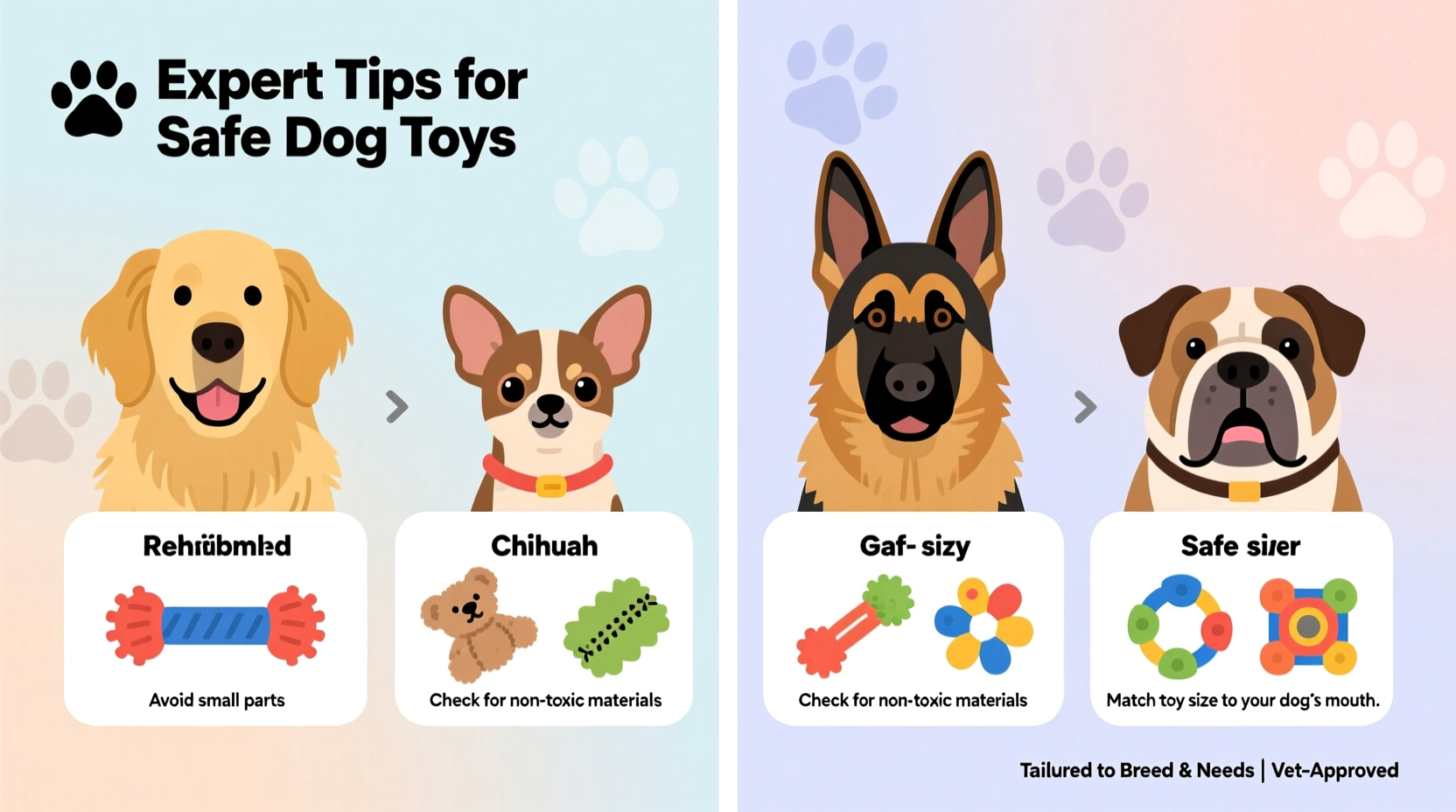
Different breeds exhibit distinct behavioral and physical traits that directly influence toy suitability. For instance, herding breeds like Border Collies thrive on mental stimulation, while terriers possess high prey drive and relentless chewing instincts. Ignoring these tendencies can result in boredom, destructive behavior, or unsafe interactions with inappropriate toys.
Large, powerful breeds such as Rottweilers or German Shepherds require extremely durable materials. Standard plush toys disintegrate within minutes under their jaws, potentially leading to ingestion of stuffing or squeakers. Conversely, small breeds like Pomeranians or Shih Tzus need appropriately sized toys to prevent accidental swallowing.
Tip: Research your dog’s breed group—working, sporting, toy, terrier, etc.—to anticipate their natural behaviors and toy preferences.Chewers vs. Fetchers vs. Puzzle Lovers
- Power chewers (e.g., Pit Bulls, Boxers): Need ultra-durable rubber or nylon toys resistant to fracturing.
- Retrievers and runners (e.g., Golden Retrievers, Australian Shepherds): Benefit from high-bounce rubber balls or flying discs made from non-toxic, flexible polymers.
- Small or lap dogs (e.g., Cavalier King Charles Spaniels): Require soft, lightweight plush toys without excessive embellishments.
- Intelligent breeds (e.g., Poodles, Shetland Sheepdogs): Excel with interactive puzzle toys that dispense treats when manipulated correctly.
Material Safety: What’s Inside Matters
The composition of a dog toy determines not only its lifespan but also its safety profile. Many low-cost toys contain phthalates, BPA, or undisclosed synthetic dyes linked to hormonal disruption and organ damage over time. Always opt for toys labeled non-toxic, food-grade, or independently tested by third-party labs.
| Material | Safety Pros | Risks & Considerations |
|---|---|---|
| Natural Rubber | BPA-free, biodegradable, resilient | Avoid if dog has latex allergy |
| FDA-Compliant Nylon | Extremely durable, safe if small fragments chip | May wear down enamel if used excessively |
| Organic Cotton/Plush | Soft, hypoallergenic, machine washable | Not suitable for aggressive chewers |
| Polyester Fiberfill | Cheap, lightweight | Hazardous if ingested; avoid in unsupervised play |
“Just because a toy is marketed for dogs doesn’t mean it’s safe. Look for transparency in sourcing and manufacturing—reputable brands will provide lab test results upon request.” — Dr. Lena Torres, DVM, Veterinary Behavior Specialist
Size and Structure: Avoiding Choking Hazards
A toy that’s too small can become a choking hazard, especially during enthusiastic play. As a rule, any toy should be too large to fit entirely into your dog’s mouth. Test this by holding the item up to their face—if it disappears behind their jaws, it’s too small.
Also consider structural integrity. Toys with glued-on eyes, buttons, or squeakers are prone to detachment. Once loose, these parts pose serious risks if swallowed. Instead, choose models with sewn-in components or solid one-piece designs.
Tip: Regularly inspect toys for fraying, cracks, or loose pieces. Discard any that show signs of breakdown—even if your dog still loves them.Real Example: Max the Jack Russell Terrier
Max, a 3-year-old Jack Russell, once tore apart a stuffed squirrel toy within ten minutes of receiving it. His owner didn’t realize the squeaker had been swallowed until Max began vomiting and refused food. An X-ray revealed a metal component lodged in his stomach, requiring emergency surgery. After recovery, Max’s vet recommended only solid rubber puzzle toys and rope knots made from recycled cotton. Since switching, Max stays engaged—and safe—during daily play sessions.
Step-by-Step Guide to Choosing the Right Toy
- Assess your dog’s chewing strength: Light chewer? Moderate? Power chewer? Match toy durability accordingly.
- Consider size and weight: Select toys proportionate to your dog’s body and jaw strength.
- Evaluate material safety: Confirm non-toxic certification and absence of harmful chemicals.
- Match toy type to behavior: Puzzle toys for thinkers, tug ropes for pullers, fetch balls for runners.
- Supervise initial use: Watch how your dog interacts with the new toy for at least 15 minutes.
- Inspect regularly: Set a weekly reminder to check for damage or wear.
Essential Toy Selection Checklist
- ✅ Toy is larger than your dog’s mouth width
- ✅ Made from non-toxic, durable materials
- ✅ No small, detachable parts (eyes, bells, squeakers)
- ✅ Appropriate for your dog’s age and activity level
- ✅ Easy to clean or dishwasher-safe (for hygiene)
- ✅ Matches breed-specific instincts (chasing, chewing, problem-solving)
- ✅ Purchased from a reputable brand with transparent sourcing
Frequently Asked Questions
Can I give my dog human children’s toys?
No. While they may seem similar in size, children’s toys are not designed for canine bite force or digestive safety. They often contain plastic beads, batteries, or glues that are toxic if ingested.
How often should I replace dog toys?
Inspect toys weekly. Replace immediately if cracked, torn, or missing pieces. Soft toys typically last 1–3 months depending on use; durable rubber toys can last 6–12 months with proper care.
Are rope toys safe for teeth?
Yes, if made from soft, knotted cotton and used appropriately. However, overly aggressive tugging or frayed ends can cause gum abrasions or splinters. Trim loose fibers and supervise use.
Final Thoughts: Safety First, Fun Always
Choosing the right dog toy isn’t about impulse buys or flashy packaging—it’s about understanding your dog’s unique biology and behavior. When you match a toy to your dog’s breed traits, chewing style, and mental needs, you’re not just providing entertainment; you’re supporting dental health, reducing anxiety, and preventing dangerous accidents.
Never underestimate the importance of supervision and maintenance. Even the safest toy becomes hazardous when neglected. By staying proactive and informed, you create a play environment where joy and security go hand in paw.
💬 Your dog’s safety starts with smart choices. Share this guide with fellow pet owners and help build a community of informed, responsible dog lovers.








