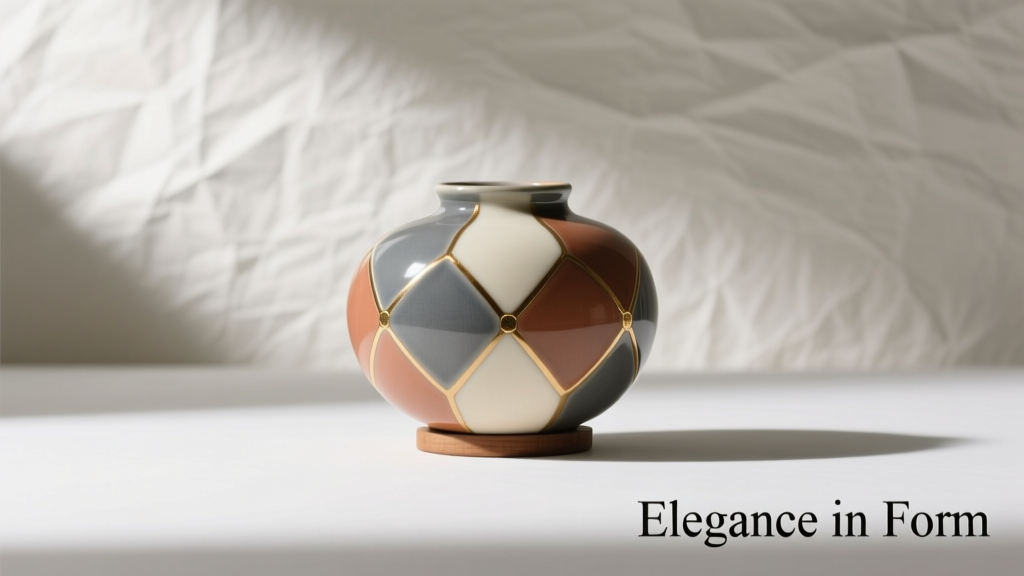
Types of Evaporating Bowls
An evaporating bowl is a fundamental piece of laboratory equipment used in chemistry and related scientific disciplines to concentrate solutions or recover solids through controlled evaporation. These bowls are designed to withstand high temperatures and resist chemical reactions, making them essential for precise and safe experimentation. Selecting the appropriate type of evaporating bowl is crucial for optimizing experimental outcomes, ensuring sample integrity, and enhancing process efficiency.
Ceramic
Known for excellent thermal retention and chemical inertness, ceramic bowls are ideal for gentle, uniform evaporation of sensitive samples.
Advantages
- Non-reactive surface prevents contamination
- Excellent heat retention for even evaporation
- Resistant to most acids and solvents
- Ideal for low-boiling-point liquids
Limitations
- Brittle and prone to cracking under thermal shock
- Heavier than glass or metal alternatives
- Not transparent—limits visual monitoring
Best for: Gentle evaporation, acid digestion, and applications requiring chemical purity
Stainless Steel
Durable and corrosion-resistant, stainless steel bowls are built for heavy-duty use in industrial and high-temperature environments.
Advantages
- High mechanical strength and impact resistance
- Excellent corrosion resistance
- Withstands very high temperatures
- Long lifespan with proper maintenance
Limitations
- Poor heat distribution may cause hot spots
- Can react with certain strong acids or chlorides
- Opaque—limits visibility of contents
Best for: Industrial labs, high-temperature processes, and rugged environments
Glass
Transparent and chemically resistant, glass evaporating bowls allow real-time observation and are compatible with a wide range of solvents.
Advantages
- Transparent—enables clear visual monitoring
- Highly resistant to most chemicals
- Smooth surface prevents residue buildup
- Ideal for high-boiling-point solvents
Limitations
- Fragile—susceptible to breakage from impact or thermal shock
- Lower thermal shock resistance than ceramic or metal
- Limited use with hydrofluoric acid or strong alkalis
Best for: Educational labs, solvent evaporation, and processes requiring visual tracking
Porcelain
A refined ceramic variant, porcelain offers superior durability, a non-porous finish, and exceptional heat resistance.
Advantages
- Extremely durable and heat-resistant
- Non-porous surface prevents contamination
- Chemically inert for most reagents
- Smooth glaze allows easy cleaning
Limitations
- Higher cost compared to standard ceramic
- Can crack under rapid temperature changes
- Heavy and requires careful handling
Best for: General-purpose evaporation, crystallization, and high-precision chemistry
Flat-Bottomed
Designed with a wide, flat base to maximize surface area for faster and more efficient evaporation.
Advantages
- Large surface area speeds up evaporation
- Stable on hot plates and heating mantles
- Easy access to residue for scraping or collection
- Ideal for crystallization and drying solids
Limitations
- Less suitable for swirling or mixing
- Limited compatibility with round-bottom heating setups
Best for: Rapid evaporation, residue recovery, and static heating applications
Spouted
Features a pouring spout for controlled decanting, reducing spillage and contamination during liquid transfer.
Advantages
- Enables precise, spill-free pouring
- Reduces risk of contamination during transfer
- Facilitates separation of supernatant from precipitate
- Useful for quantitative analysis
Limitations
- Spout can trap residues, requiring thorough cleaning
- Slightly more complex to manufacture and clean
Best for: Decanting processes, analytical chemistry, and precision work
Round-Bottom
Curved design promotes even heat distribution and efficient mixing, especially under reflux conditions.
Advantages
- Even heat distribution prevents hot spots
- Facilitates swirling and mixing during heating
- Compatible with reflux setups and condensers
- Reduces risk of bumping or splashing
Limitations
- Requires specialized stands or clamps for stability
- Less surface area for evaporation compared to flat-bottomed
Best for: Reflux reactions, distillation, and processes requiring agitation
| Type | Heat Resistance | Chemical Resistance | Durability | Best Application |
|---|---|---|---|---|
| Ceramic | High | Excellent | Good | Gentle evaporation, acid digestion |
| Stainless Steel | Very High | Good | Excellent | Industrial use, high-temperature processes |
| Glass | Moderate | Excellent | Fair | Visual monitoring, solvent evaporation |
| Porcelain | Very High | Excellent | Very Good | General lab use, crystallization |
| Flat-Bottomed | Varies by material | Varies by material | Good | Rapid evaporation, residue collection |
| Spouted | Varies by material | Varies by material | Good | Decanting, analytical procedures |
| Round-Bottom | Varies by material | Varies by material | Fair to Good | Reflux, mixing, distillation |
Expert Tip: When using ceramic or porcelain evaporating bowls, avoid sudden temperature changes to prevent thermal shock. Always heat gradually and allow the bowl to cool naturally before handling or cleaning.
Design of Evaporating Bowls: Functionality, Materials, and Applications
Evaporating bowls are essential tools in both laboratory and industrial settings, designed to facilitate the controlled evaporation of liquids through heat application. Their design directly influences efficiency, safety, and precision during chemical processing, sample concentration, and material recovery. A well-designed evaporating bowl balances thermal performance, chemical resistance, ergonomic handling, and durability to meet the demands of diverse scientific and technical applications.
Key Design Elements of Evaporating Bowls
Materials
The choice of material is one of the most critical design considerations, as it determines the bowl’s compatibility with specific chemicals, temperature ranges, and experimental conditions.
- Ceramic & Porcelain: Highly resistant to thermal shock and chemical corrosion, these materials are ideal for prolonged heating processes. Their excellent heat retention makes them suitable for slow, even evaporation, commonly used in gravimetric analysis and ashing procedures.
- Stainless Steel: Offers superior mechanical strength and durability, especially in high-temperature or abrasive environments. Frequently used in industrial evaporation systems where robustness and ease of cleaning are priorities. However, it may react with strong acids or chlorides, limiting its use in certain chemical applications.
- Glass (Borosilicate): Provides optical clarity for real-time observation of reactions and phase changes. Borosilicate glass resists thermal expansion and is chemically inert to most solvents, making it a standard in analytical laboratories. Ideal for distillation, reflux, and small-scale evaporation.
- Quartz: Used in high-purity or high-temperature applications, such as semiconductor processing or trace metal analysis, due to its exceptional thermal stability and minimal contamination risk.
Shapes
The geometry of an evaporating bowl significantly affects evaporation kinetics, heat distribution, and ease of handling residuals.
- Flat-Bottomed Bowls: Maximize surface area-to-volume ratio, accelerating evaporation by exposing more liquid to air and heat. Commonly used in crystallization, solvent removal, and drying samples.
- Spouted Design: Incorporates a pouring lip or spout to allow clean transfer of concentrated residues without dripping or cross-contamination. This feature enhances precision in quantitative transfers and minimizes product loss.
- Round-Bottomed Bowls: Facilitate uniform heat distribution when used with heating mantles or oil baths. Essential in organic synthesis and reflux setups where consistent temperature control prevents localized overheating and decomposition.
- Conical or Tapered Sides: Promote efficient drainage and reduce residue accumulation on walls, aiding in complete recovery of solids after evaporation.
Sizes and Capacities
Evaporating bowls come in a wide range of sizes to accommodate varying experimental scales—from microchemistry to bulk processing.
- Micro-scale (1–10 mL): Designed for sensitive analyses involving limited sample volumes. Often used in analytical chemistry, forensics, and environmental testing where minimal waste and high precision are required.
- Standard Lab Sizes (50–500 mL): Most common in educational and research labs. Suitable for routine evaporation, titrations, and preparative chemistry.
- Industrial-Scale (1–20 L+): Constructed from reinforced materials like stainless steel or specialized ceramics for continuous operation in pharmaceutical, food, or wastewater treatment industries.
Selecting the appropriate size ensures optimal heat transfer, reduces risk of boil-over, and improves process efficiency by matching vessel capacity to expected liquid volume.
Heating Methods and Thermal Compatibility
The design must align with the intended heating method to ensure safety, performance, and longevity.
- Hot Plates: Most flat-bottomed bowls are optimized for contact with electric or magnetic hot plates. Materials like ceramic and borosilicate glass are preferred for even heat conduction and resistance to cracking.
- Bunsen Burners / Open Flame: Require materials that can withstand direct flame exposure, such as porcelain or certain metals. Use of wire gauze is recommended to distribute heat and prevent thermal shock.
- Heating Mantles: Typically used with round-bottomed bowls in distillation or reflux setups. These provide enclosed, controlled heating and are often paired with glassware.
- Thermal Shock Resistance: Critical for repeated heating-cooling cycles. Borosilicate glass and high-grade ceramics are engineered to resist cracking under rapid temperature changes, enhancing reliability and reducing breakage risks.
Stability and Ergonomic Features
Safety and usability are enhanced through thoughtful structural and ergonomic design.
- Wide Base Design: Improves stability on lab stands or hot plates, minimizing the risk of tipping during heating or stirring operations.
- Integrated Handles or Lugs: Allow safe handling with tongs or insulated gloves. Some bowls feature external clips or brackets for secure clamping to support stands.
- Ergonomic Spouts and Lips: Reduce spillage during pouring and improve control when transferring viscous or hot residues.
- Non-Slip Coatings (Industrial Models): Applied on outer surfaces to enhance grip and prevent accidents in high-throughput environments.
These features collectively reduce operator fatigue, contamination risks, and potential for injury—especially important in high-temperature or hazardous chemical environments.
Specialized Design Considerations
Advanced applications may require custom or enhanced features tailored to specific processes.
- Covered or Lidded Bowls: Prevent contamination and reduce uncontrolled evaporation in hygroscopic or volatile compound handling.
- Graduated Markings: Engraved or etched volume indicators assist in approximate measurement without transferring liquids.
- Stackability: For storage efficiency in labs with space constraints.
- Autoclavable Designs: Made from materials that withstand sterilization, crucial in microbiology and pharmaceutical preparation.
| Design Feature | Impact on Performance | Common Applications |
|---|---|---|
| Material: Borosilicate Glass | High transparency, chemical inertness, thermal shock resistance | Analytical chemistry, education, reflux setups |
| Shape: Flat-Bottomed | Maximizes evaporation rate, stable on flat surfaces | Sample concentration, crystallization |
| Size: 100 mL | Balances capacity and manageability | General laboratory use, titration prep |
| Feature: Spouted Lip | Enables clean pouring, reduces waste | Transfer of concentrated solutions |
| Material: Porcelain | Excellent heat retention, durable | Ashing, gravimetric analysis |
Important: Always match the evaporating bowl’s design to the specific chemical, thermal, and mechanical demands of your experiment. Using incompatible materials (e.g., glass with strong alkalis or sudden cooling of hot ceramics) can lead to breakage, contamination, or safety hazards. Follow manufacturer guidelines for temperature limits, cleaning protocols, and handling procedures to ensure long-term performance and operator safety.
Scenarios of Evaporating Bowls: Applications Across Industries
Evaporating bowls are indispensable tools in scientific, industrial, and educational environments, designed to efficiently concentrate solutions by removing solvents through controlled evaporation. Their heat-resistant construction and chemically inert surfaces make them ideal for precise, repeatable processes. Below is a detailed exploration of their diverse applications, materials used, and best practices across key sectors.
Laboratory-Based Chemistry
In professional chemistry labs, evaporating bowls serve as essential instruments for solvent removal from chemical solutions. By applying gentle heat, chemists can isolate solid residues for further analysis, purification, or synthesis. This process is crucial in qualitative and quantitative analysis, such as determining solute concentration or recovering valuable compounds.
- Porcelain and borosilicate glass are preferred due to their chemical inertness and thermal stability
- Used in gravimetric analysis to measure the mass of non-volatile components after evaporation
- Enables controlled concentration adjustments for reaction optimization
- Often paired with hot plates or water baths for uniform heating
Best Practice: Use lids or watch glasses to prevent contamination while allowing slow vapor escape
School and Research Laboratories
In academic settings, evaporating bowls are vital for teaching fundamental scientific principles. Students use them in hands-on experiments to observe phase changes, solubility limits, and crystallization processes—key concepts in chemistry and physical science curricula.
- Commonly used in evaporation-to-dryness experiments with saltwater to demonstrate separation techniques
- Supports inquiry-based learning in crystallization, where cooling concentrated solutions yields visible crystals
- Durable ceramic or glass models withstand frequent student use and repeated heating cycles
- Transparent bowls allow real-time observation of evaporation and residue formation
Educational Tip: Pair with digital scales to quantify mass changes and reinforce data collection skills
Food and Beverage Industry
The food sector relies on large-scale evaporating pans to concentrate liquids such as fruit juices, broths, sauces, and dairy products. Concentration enhances flavor intensity, reduces storage volume, and extends shelf life by lowering water activity, which inhibits microbial growth.
- Stainless steel evaporating bowls are standard in commercial kitchens and processing plants
- Used in syrup production, jam making, and reduction of stocks and wines
- Designed for high-temperature, long-duration heating with even heat distribution
- Easy-to-clean surfaces prevent cross-contamination and comply with food safety regulations
Key Benefit: Concentrated products maintain natural flavors without artificial additives
Pharmaceutical Manufacturing
In pharmaceutical labs, evaporating bowls play a critical role in drug formulation and purification. Controlled solvent evaporation ensures precise concentration of active pharmaceutical ingredients (APIs), directly impacting dosage accuracy and product efficacy.
- Glass or stainless steel bowls resist aggressive solvents like acetone, ethanol, and DMSO
- Essential in recrystallization processes to purify compounds and remove impurities
- Used under fume hoods or in controlled environments to maintain sterility and safety
- Facilitates small-batch R&D and pilot-scale production
Quality Note: Equipment must meet cGMP standards for cleanliness and traceability
Environmental Testing
Environmental scientists use evaporating bowls to analyze pollutants in water, soil, and air samples. By evaporating the liquid component, residual contaminants such as heavy metals, pesticides, or organic toxins can be isolated and quantified using spectroscopic or chromatographic methods.
- Stainless steel or quartz bowls resist corrosion from acidic or saline samples
- Enables pre-concentration of trace pollutants for more accurate detection
- Used in EPA-approved methods for water quality assessment
- Non-reactive surfaces prevent sample contamination during analysis
Critical Use: Detection of lead, mercury, and PCBs in environmental monitoring
Metallurgical Laboratories
In metallurgy, evaporating bowls are used to analyze metal salts, residues, and leachates. After washing or dissolving metal samples, the remaining solution is evaporated to isolate solid residues for compositional analysis, helping determine purity, alloy content, or corrosion byproducts.
- Stainless steel bowls are ideal due to their durability and resistance to corrosive chemical deposits
- Used in ash content testing and residue analysis of metal processing fluids
- Supports qualitative analysis of impurities in raw metals or recycled materials
- Withstands high-temperature drying and repeated use in industrial settings
Technical Insight: Residue mass helps calculate metal recovery rates and efficiency
Professional Recommendation: Select evaporating bowls based on chemical compatibility, thermal requirements, and intended use. For general lab work, borosilicate glass offers clarity and inertness; for industrial applications, stainless steel provides durability and scalability. Always ensure proper ventilation during evaporation, especially when handling volatile or hazardous solvents.
| Application Sector | Common Materials | Typical Use Case | Key Requirements |
|---|---|---|---|
| Laboratory Chemistry | Porcelain, Borosilicate Glass | Solvent removal, residue analysis | Chemical inertness, precision |
| Education | Ceramic, Glass | Crystallization, evaporation demos | Durability, visibility |
| Food & Beverage | Stainless Steel | Juice concentration, sauce reduction | Heat resistance, hygiene |
| Pharmaceuticals | Glass, Stainless Steel | API concentration, purification | Solvent resistance, sterility |
| Environmental Science | Stainless Steel, Quartz | Pollutant concentration from samples | Corrosion resistance, purity |
| Metallurgy | Stainless Steel | Residue analysis of metal washings | Robustness, high-temp stability |
Additional Considerations
- Material Selection: Match bowl material to the chemical and thermal demands of the application to prevent degradation or contamination
- Safety Protocols: Always use in well-ventilated areas or under fume hoods when evaporating volatile or toxic solvents
- Cleaning & Maintenance: Thorough cleaning prevents cross-contamination, especially in pharmaceutical and food applications
- Heating Methods: Use water baths, hot plates, or ovens—avoid direct flame unless the bowl is specifically designed for it
- Scalability: Lab-scale bowls are ideal for research, while industrial evaporators handle large volumes in production settings
Specification & Maintenance of Evaporating Bowls: A Complete Guide
Evaporating bowls are essential tools in laboratories, industrial processing, and environmental testing, where precise concentration of liquids is required. To ensure consistent performance, accuracy, and longevity, it's crucial to understand both the specifications and proper maintenance of these vessels. This guide provides a comprehensive overview of material types, temperature tolerances, cleaning procedures, safe handling practices, and optimal storage methods to help you maximize the efficiency and lifespan of your evaporating bowls.
Safety Note: Always allow evaporating bowls to cool before handling after heating. Sudden thermal shock can cause glass and ceramic bowls to crack or shatter, posing a risk of injury or contamination.
Key Specifications of Evaporating Bowls
Evaporating bowls are manufactured from various materials, each offering distinct advantages depending on the application. The choice of material, size, and shape directly impacts performance, durability, and compatibility with chemical and thermal processes.
- Common Materials:
- Ceramic: Offers excellent heat retention and moderate chemical resistance. Ideal for slow, controlled evaporation but vulnerable to thermal shock if heated or cooled too quickly.
- Porcelain: Similar to ceramic, with a smooth glazed surface that resists staining. Often used in qualitative analysis due to its inert nature.
- Borosilicate Glass (e.g., Pyrex): Highly resistant to thermal shock and most chemicals. Preferred in laboratories for its transparency, allowing visual monitoring of evaporation.
- Stainless Steel: Extremely durable and resistant to high temperatures and mechanical impact. Best suited for industrial applications where breakage is a concern, though not ideal for highly corrosive environments without proper alloy selection.
- Size Range:
- Small (10–100 mL): Ideal for micro-scale experiments, titrations, or sample concentration.
- Medium (100–500 mL): Common in teaching labs and routine analytical procedures.
- Large (500 mL–1 L+): Used in wastewater treatment, bulk solvent recovery, and industrial evaporation processes.
- Design Features:
- Flat-Bottom Bowls: Provide stable placement on hot plates and flat surfaces. Most common in standard lab setups.
- Round-Bottom Bowls: Facilitate even heat distribution and better mixing during reactions. Often used with heating mantles.
- Built-in Spouts: Enable drip-free pouring, reducing spillage and contamination during transfer of concentrated solutions.
Temperature Tolerance by Material
The ability of an evaporating bowl to withstand temperature fluctuations is critical for safe and effective operation. Different materials exhibit varying levels of thermal resistance and shock tolerance.
| Material | Max Operating Temp | Thermal Shock Resistance | Recommended Heating Methods |
|---|---|---|---|
| Borosilicate Glass | ~500°C | Excellent | Hot plate, heating mantle, flame (with caution) |
| Stainless Steel | 800–1000°C (varies by alloy) | Very Good | Bunsen burner, hot plate, furnace |
| Ceramic / Porcelain | 600–800°C | Fair (prone to cracking) | Gradual heating on hot plate only |
Expert Tip: Always preheat ceramic and porcelain bowls gradually. Place them on a warm hot plate and slowly increase the temperature to minimize the risk of cracking due to thermal stress.
Proper Cleaning Techniques
Residue buildup can compromise experimental accuracy and degrade the bowl over time. Cleaning methods should be tailored to the material to avoid surface damage.
- Stainless Steel Bowls:
- Wash with warm water and mild detergent after each use.
- For stubborn deposits, soak in a solution of white vinegar or baking soda for 30 minutes, then scrub gently with a non-abrasive sponge.
- Rinse thoroughly and dry to prevent water spots or corrosion.
- Glass Bowls:
- Clean with a soft cloth and mild glass cleaner or soapy water.
- Use a non-scratching abrasive (like baking soda paste) for mineral deposits.
- Soak in diluted vinegar (1:3 vinegar to water) to remove lime scale or salt residues.
- Never use metal scrapers or steel wool, which can scratch the surface.
- Ceramic & Porcelain Bowls:
- Rinse immediately after use to prevent residue from drying and adhering.
- For stains, apply a paste of baking soda and water, let sit for 15–20 minutes, then gently scrub with a soft brush.
- Avoid sudden temperature changes during cleaning (e.g., don’t pour cold water into a hot bowl).
Avoid These Cleaners: Hydrofluoric acid, strong alkalis (e.g., concentrated NaOH), and chlorinated solvents can etch glass or corrode metal. Never use abrasive pads or wire brushes on delicate surfaces.
Safe Handling Practices
Evaporating bowls often reach high temperatures during use, making proper handling essential for safety and equipment longevity.
- Always use heat-resistant gloves or tongs when moving heated bowls.
- Place hot bowls on heat-resistant surfaces such as ceramic fiber pads or wire gauze to prevent damage to countertops.
- Allow bowls to cool completely before cleaning or storing.
- Never place a hot bowl directly into cold water or under a cold tap—this can cause immediate cracking.
- In laboratory environments, cover bowls when not in use to protect against dust, contaminants, and accidental contact.
Storage Recommendations
Proper storage prevents physical damage and maintains cleanliness, especially in precision-sensitive environments.
- For Glass & Ceramic Bowls:
- Store in padded racks, foam-lined cabinets, or protective cases to prevent chipping or breakage.
- Keep upright to avoid rolling or tipping.
- For Stainless Steel Bowls:
- Can be stacked with protective liners or stored in vacuum-sealed trays to prevent oxidation and dust accumulation.
- Ensure dry storage to avoid moisture-related corrosion, especially in humid environments.
- General Tips:
- Label each bowl with its size, material, and intended use for quick identification.
- Dedicate specific bowls for specific chemicals to avoid cross-contamination.
- Conduct periodic inspections for cracks, chips, or signs of corrosion before reuse.
Maintenance Reminder: Inspect evaporating bowls monthly for signs of wear. Even hairline cracks in glass or ceramic can lead to catastrophic failure during heating. Replace damaged bowls immediately to ensure safety and reliability.
Summary
Understanding the specifications and maintaining evaporating bowls properly ensures accurate results, extends equipment life, and enhances laboratory safety. By selecting the right material for your application, following correct heating and cooling procedures, cleaning appropriately, and storing securely, you can maintain optimal performance across countless uses. Whether in academic, industrial, or research settings, well-maintained evaporating bowls remain a cornerstone of effective liquid concentration and sample preparation.
Frequently Asked Questions About Evaporating Bowls
Q1: Are Evaporating Bowls Heatproof?The heat resistance of evaporating bowls depends significantly on the material from which they are constructed. Different materials offer varying degrees of thermal durability and safety under high temperatures:
- Stainless Steel Bowls: Highly heat-resistant and durable, ideal for prolonged exposure to high heat. They are commonly used in industrial and laboratory settings due to their strength and corrosion resistance.
- Ceramic Bowls: Excellent thermal stability and can withstand high temperatures without degrading. However, they are more brittle and susceptible to cracking if subjected to physical impact.
- Glass Bowls (e.g., Borosilicate): While resistant to moderate heating, they are vulnerable to thermal shock. Sudden temperature changes—such as placing a cold glass bowl directly onto a hot plate—can cause cracking or shattering.
To maximize safety and lifespan, always follow manufacturer guidelines regarding temperature limits and heating procedures. Preheating glass bowls gradually and avoiding direct flame contact can help prevent damage.
Q2: What Are Spouted Evaporating Bowls Used For?Spouted evaporating bowls are specially designed with a small pouring lip or spout that facilitates safe and controlled transfer of liquids after evaporation. This feature makes them particularly valuable in both laboratory and industrial applications:
- Precise Liquid Transfer: The spout allows for clean pouring without dripping or splashing, reducing the risk of contamination during sensitive chemical processes.
- Handling Concentrated Solutions: After evaporation, the remaining concentrated solution or residue can be easily decanted into another container for further analysis or storage.
- Minimized Spillage: Especially useful when working with hazardous or volatile substances where spillage could pose health or safety risks.
- Efficiency in Workflow: Eliminates the need for additional tools like funnels or pipettes, streamlining the process of liquid handling.
These bowls are widely used in chemistry labs, food processing units, and pharmaceutical research where precision and cleanliness are critical.
Q3: Can Evaporating Bowls Be Used in the Kitchen?Yes, evaporating bowls have practical culinary applications and are increasingly used by professional chefs and home cooks alike to enhance flavor and preserve ingredients:
- Concentrating Flavors: Used to reduce stocks, broths, sauces, and wine-based liquids, intensifying their taste and body for gourmet cooking.
- Preservation: By removing moisture, these bowls help inhibit microbial growth, extending the shelf life of certain preparations like syrups or reductions.
- Even Heating: Their wide surface area promotes uniform evaporation, preventing scorching and ensuring consistent results.
- Size Variability: While industrial models are large and built for heavy-duty use, kitchen-friendly versions are typically smaller, designed to handle typical household volumes efficiently.
When using evaporating bowls in the kitchen, ensure they are made from food-safe materials such as stainless steel or certified ceramic. Avoid using laboratory-grade glassware unless explicitly labeled as safe for food preparation.
Q4: Why Is the Round-Bottom Evaporating Bowl Used in Reflux Processes?The round-bottom design of certain evaporating bowls plays a crucial role in chemical reflux setups, particularly in organic synthesis and distillation procedures:
- Uniform Heat Distribution: The curved surface allows for even contact with heating mantles or water baths, minimizing hot spots and promoting consistent solvent evaporation.
- Optimized Vapor Flow: Facilitates smooth rising of vapor, which then condenses and returns to the reaction mixture—essential for maintaining constant reaction conditions over time.
- Enhanced Mixing: The shape supports natural convection currents, improving the homogeneity of reactants and increasing reaction efficiency.
- Compatibility with Apparatus: Easily integrates with standard lab equipment such as clamps, condensers, and adapters, making it ideal for closed-loop systems like reflux setups.
This design is especially beneficial in reactions requiring prolonged heating without loss of solvent, ensuring safety, repeatability, and higher yields in experimental chemistry.









