
Walking your dog on a leash should be a peaceful ritual—a shared moment of exercise, bonding, and mental stimulation. Yet for many pet owners, it quickly turns into a battle of wills: pulling, lunging, barking, or constant distractions dominate the experience. The good news is that with consistent technique, the right tools, and realistic expectations, leash walking can become a calm and enjoyable activity for both you and your dog.
This guide breaks down the process into actionable steps, offering practical strategies to improve control, reduce stress, and transform daily walks into moments of connection rather than chaos.
Choose the Right Equipment
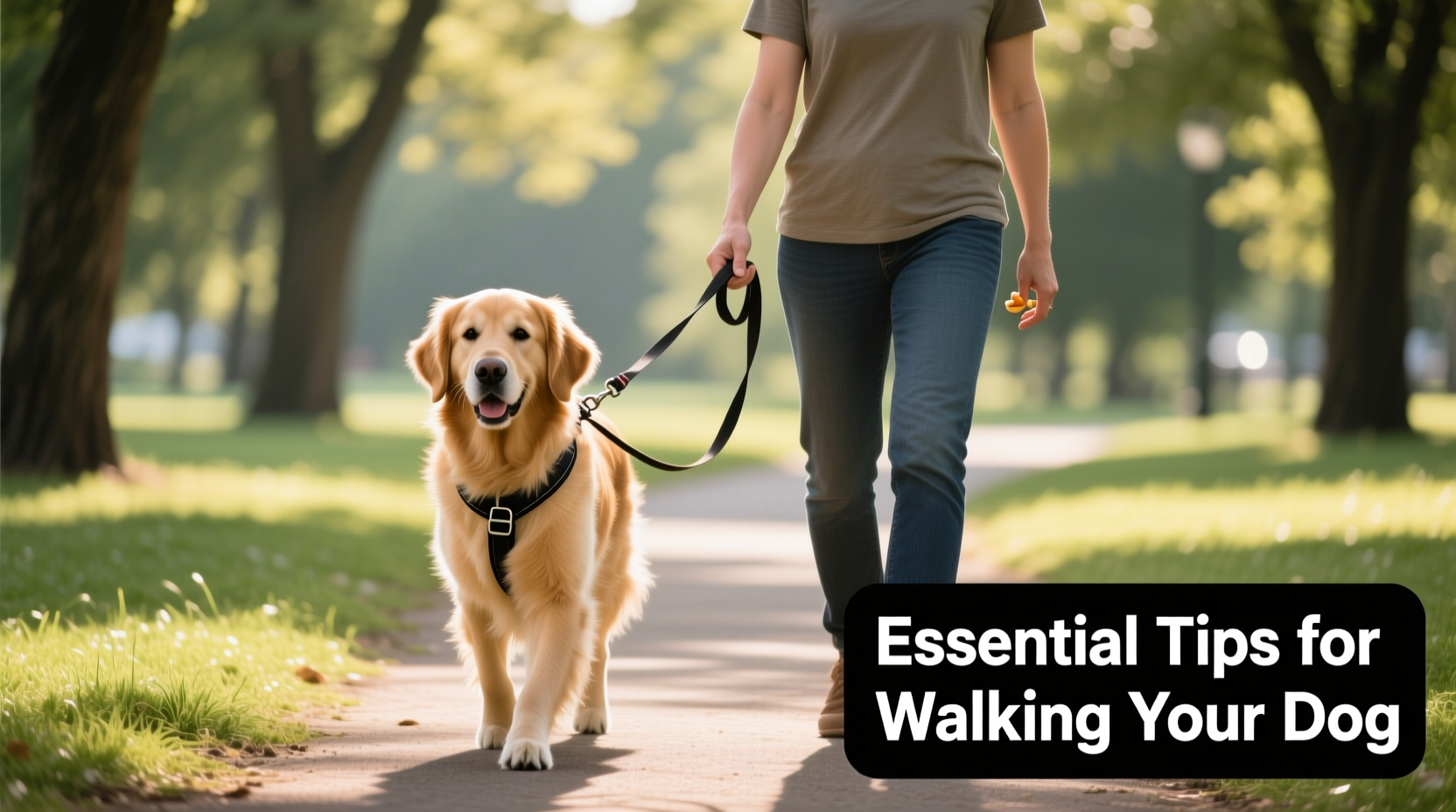
The foundation of successful leash walking starts with selecting appropriate gear. Not all collars, harnesses, or leashes are created equal, and using the wrong type can encourage pulling or even cause physical harm.
| Equipment | Best For | Avoid If |
|---|---|---|
| Front-clip harness | Dogs that pull frequently | Dog has neck injuries |
| No-pull collar (e.g., head halter) | Strong or excitable breeds | Dog shows signs of anxiety or fear |
| Standard back-clip harness | Calm, trained dogs | Dog pulls excessively |
| 6-foot nylon leash | Most training scenarios | Need long-range recall practice |
| Retractable leash | Casual walks in open areas | Training focus or crowded spaces |
Step-by-Step Guide to Leash Training
Leash walking is a learned behavior, not an instinct. Follow this structured approach to build good habits from day one.
- Start Indoors: Begin training inside your home or a quiet room. Attach the leash and let your dog wear it while moving around. Reward calm behavior with treats and praise.
- Introduce the “Let’s Go” Cue: When your dog begins to pull ahead, stop walking completely. Wait until the leash loosens, then say “Let’s go” and move forward. Repeat consistently.
- Practice Heel Position: Use a treat to lure your dog to your left side. Say “heel” as they align. Take a few steps, reward, and stop. Gradually increase distance.
- Move to Low-Distraction Outdoor Areas: Choose a quiet driveway, empty parking lot, or early-morning sidewalk. Practice the same cues with higher distractions.
- Incorporate Real-World Challenges: Gradually introduce busier environments—other dogs, bicycles, or pedestrians—while maintaining consistency in rewards and corrections.
- End on a Positive Note: Always conclude the session while your dog is still attentive and calm. This reinforces the idea that good behavior leads to pleasant outcomes.
“Dogs don’t resist training—they resist confusion. Clear communication and consistency are far more effective than force.” — Dr. Karen Becker, Veterinary Behaviorist
Common Mistakes That Undermine Progress
Even well-intentioned owners often unknowingly sabotage their dog’s progress. Recognizing these pitfalls is key to long-term success.
- Allowing Pulling Occasionally: Inconsistent rules confuse dogs. If pulling sometimes gets them where they want to go, they’ll keep doing it.
- Yanking the Leash Repeatedly: Jerking teaches fear or resistance, not obedience. Use redirection and positive reinforcement instead.
- Overlooking Body Language: Dogs may pull due to fear, excitement, or discomfort. Observe whether your dog is tense, whining, or avoiding certain paths.
- Using Long Leashes Too Soon: Extended range increases distraction exposure before foundational skills are mastered.
- Neglecting Mental Exercise: A tired dog is easier to manage. Combine leash training with puzzle toys or off-leash play when appropriate.
Real-Life Example: Transforming a Reactive Walker
Sophia adopted Max, a two-year-old Australian Shepherd, who became overwhelmed on walks. At first, he lunged at other dogs, barked at bikes, and pulled toward squirrels with alarming speed. Frustrated, Sophia nearly gave up.
She started by switching to a front-clip harness and began training in her backyard. Using high-value treats like freeze-dried liver, she taught Max to focus on her during brief walks around the patio. Each time he glanced at her instead of a distraction, she rewarded him.
After two weeks, they moved to a quiet park at dawn. She used the “look at me” command whenever another dog approached, rewarding eye contact. Within six weeks, Max walked calmly past other animals, staying within heel position over 80% of the time. Today, their morning walk is peaceful—and something they both look forward to.
Essential Checklist for Every Walk
Before every outing, run through this quick checklist to ensure safety, comfort, and training continuity:
- ✅ Leash securely attached to a properly fitted collar or harness
- ✅ ID tags and microchip information up to date
- ✅ Treat pouch filled with small, soft rewards
- ✅ Waste bags readily accessible
- ✅ Weather-appropriate gear (e.g., reflective vest at night, booties in snow)
- ✅ No signs of injury, limping, or fatigue in your dog
- ✅ Set intention: Will this be a training walk, potty break, or free-exploration time?
Frequently Asked Questions
Why does my dog pull only on certain routes?
Dogs respond to environmental triggers. A route with more smells, wildlife, or social opportunities naturally increases arousal. Stick to lower-stimulation paths during training phases and gradually reintroduce busier ones as skills improve.
Is it okay to let my dog sniff during walks?
Absolutely—but set boundaries. Sniffing is mental enrichment. Use a cue like “go sniff” to grant permission after a period of calm walking. This balances discipline with natural behavior.
My dog sits down and refuses to walk. What should I do?
This is often attention-seeking or avoidance. Avoid pulling. Instead, change direction or use a cheerful voice to lure them forward. If anxiety is suspected (e.g., loud noises), consult a trainer or vet behaviorist.
Conclusion: Turn Walks Into Moments That Matter
Leash walking isn’t just about getting from point A to point B—it’s an opportunity to strengthen trust, reinforce training, and enjoy companionship. With patience, the right tools, and consistent practice, even the most unruly walker can learn to stroll politely by your side.
Start small. Celebrate progress, not perfection. And remember: every pause, turn, and treat is shaping your dog’s understanding of the world. Make each walk count—not as a chore, but as a chance to connect.
💬 Have a leash-walking success story or challenge? Share your experience below and help fellow dog owners find confidence and calm on the path.