
Introducing live plants into your aquarium transforms it from a simple fish tank into a dynamic, self-sustaining ecosystem. Beyond their visual appeal, live aquatic plants oxygenate the water, absorb harmful nitrates, and provide shelter for fish and invertebrates. However, success depends on more than just dropping a few stems into the gravel. Without proper planning and care, plants can wither, decay, or even contribute to water quality issues. Understanding lighting, substrate, nutrients, and species compatibility is key to creating a lush, healthy planted tank.
Choose the Right Plants for Your Tank Conditions
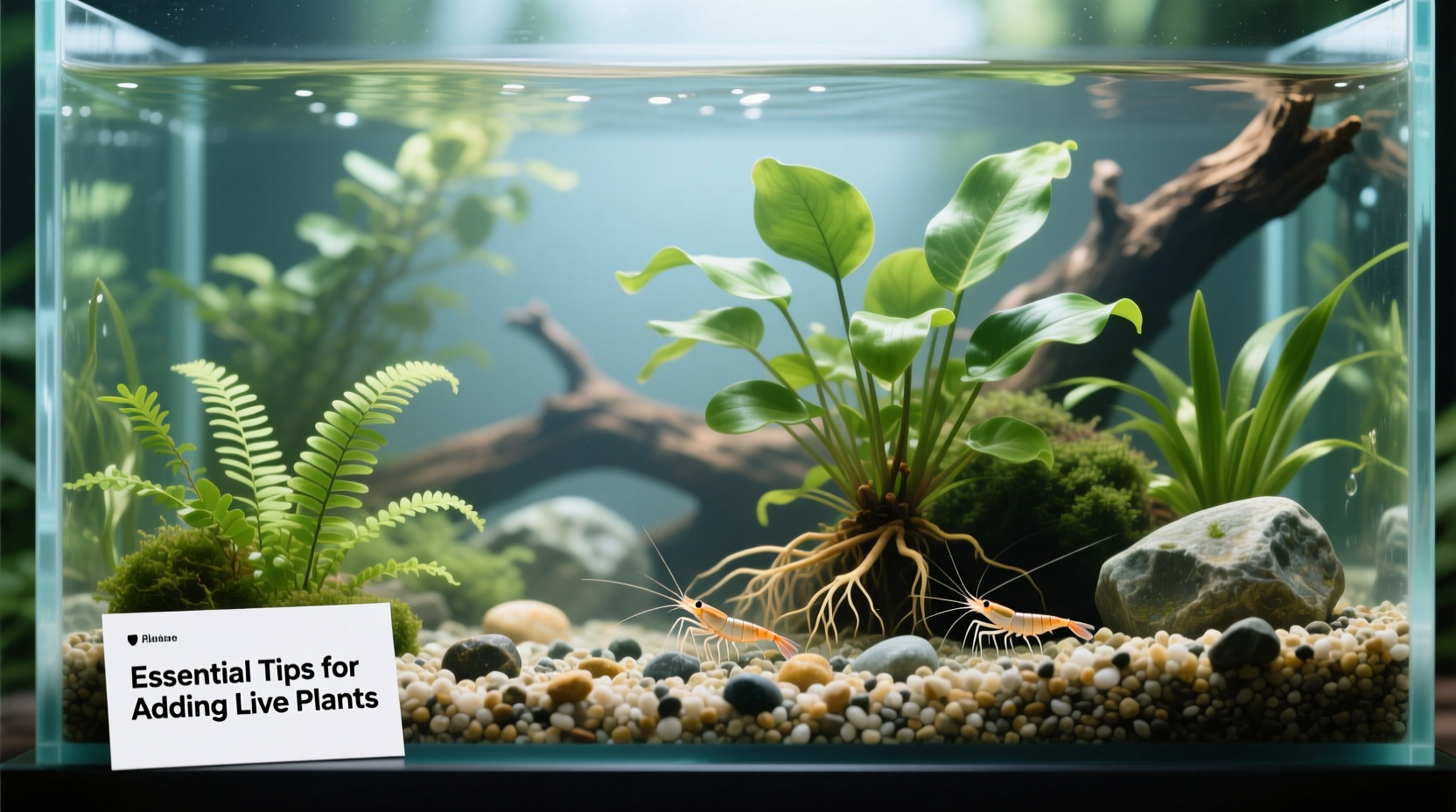
Selecting appropriate plant species is the foundation of a successful planted aquarium. Not all plants thrive under the same conditions. Some require high light and CO₂ supplementation, while others flourish in low-light setups with minimal intervention. Matching plant needs to your existing equipment and maintenance routine ensures long-term viability.
Beginner-friendly options include:
- Anubias – Grows well in low light, attaches to driftwood or rocks.
- Cryptocoryne wendtii – Tolerant of varying conditions, excellent midground coverage.
- Vallisneria – Fast-growing, ideal for background planting.
- Mosses (e.g., Java Moss) – Adaptable, great for fry protection and aquascaping.
More advanced hobbyists may explore stem plants like Rotala rotundifolia or carpeting species such as Dwarf Hairgrass, which demand stronger lighting and nutrient-rich substrates.
Tip: Start with hardy, low-maintenance plants to build confidence before attempting high-demand species.Provide Adequate Lighting
Light is the engine of photosynthesis—the process by which plants convert carbon dioxide and nutrients into growth. Insufficient or excessive lighting leads to poor growth or algae outbreaks. The general rule is 2–5 watts per gallon for fluorescent lighting, though LED systems are more efficient and should be measured in lumens or PAR (Photosynthetically Active Radiation).
Most beginner tanks do well with 8–10 hours of light per day. Use a timer to maintain consistency, as irregular lighting schedules disrupt plant metabolism and encourage algae.
| Light Requirement | Plant Examples | Daily Light Duration |
|---|---|---|
| Low (10–20 lumens/gal) | Anubias, Java Fern, Mosses | 8–10 hours |
| Medium (20–40 lumens/gal) | Cryptocoryne, Amazon Sword, Hygrophila | 10–12 hours |
| High (>40 lumens/gal) | Rotala, Hemianthus callitrichoides, Red Ludwigia | 10–12 hours + CO₂ |
“Light isn’t just about intensity—it’s about spectrum and duration. Full-spectrum LEDs that mimic daylight yield the best coloration and growth.” — Dr. Lena Torres, Aquatic Botanist
Use the Proper Substrate and Fertilization
Aquarium substrate does more than anchor plants—it serves as a reservoir for essential nutrients like iron, potassium, and trace elements. Inert substrates like sand or basic gravel lack these nutrients, leading to stunted growth over time.
For heavily planted tanks, consider specialized substrates such as:
- Fluval Plant and Shrimp Stratum
- Eco-Complete Planted Substrate
- Aquasoil (e.g., ADA Aqua Soil)
These substrates are rich in nutrients and help stabilize pH. Over time, however, they deplete. That’s where liquid or root tab fertilizers come in. Dosing should align with plant load and lighting levels. High-light tanks with fast-growing plants require weekly liquid fertilization, while low-tech setups may only need occasional supplementation.
Fertilizer Checklist
Checklist:- Test water for nitrate, phosphate, and iron monthly
- Dose liquid fertilizer after water changes
- Insert root tabs near heavy feeders like Amazon Swords
- Avoid over-fertilizing—excess nutrients fuel algae
Balance Nutrients, CO₂, and Water Parameters
The \"aquarium plant trinity\" consists of light, nutrients, and carbon dioxide. Imbalances among these three factors lead to poor growth or algae dominance. For example, strong lighting without sufficient CO₂ results in frustrated plants unable to photosynthesize efficiently.
In low-tech tanks (no injected CO₂), plants rely on dissolved CO₂ from respiration and surface agitation. Limiting aeration at night helps maintain CO₂ levels. In high-tech tanks, pressurized CO₂ systems deliver consistent carbon supply, dramatically boosting growth rates and vibrancy.
Water parameters also play a role. Most tropical aquatic plants thrive in:
- pH: 6.5–7.5
- Temperature: 72–80°F (22–27°C)
- GH: 4–8 dGH (supports mineral uptake)
Regular water changes (25–30% weekly) replenish trace elements, remove waste, and prevent nutrient lockout.
Step-by-Step Guide: Adding Plants to a New Aquarium
- Prepare the substrate – Rinse thoroughly and layer evenly (2–3 inches deep).
- Fill the tank halfway with dechlorinated water to avoid disturbing the substrate.
- Plant carefully – Use tweezers for small plants; bury roots but not crowns.
- Add remaining water slowly using a plate to diffuse flow.
- Turn on lights and filter, begin lighting cycle.
- Wait 1–2 weeks before adding fish to allow plants to establish.
- Begin fertilization according to plant type and lighting.
Real Example: Reviving a Struggling Planted Tank
Samantha had a 20-gallon community tank with neon tetras and cherry barbs. She added several stem plants but noticed yellowing leaves and slow growth. After testing her water, she discovered zero iron and low nitrates. Her LED fixture was less powerful than advertised, providing only 15 lumens per gallon.
She upgraded to a full-spectrum LED panel, started dosing a comprehensive liquid fertilizer weekly, and replaced half the substrate with nutrient-rich aquasoil. Within six weeks, her Rotala developed vibrant red tips, and new shoots emerged daily. Algae diminished as healthy plants outcompeted it for resources.
This case illustrates how diagnosing limiting factors—light and nutrients—can turn around a failing setup.
Common Mistakes to Avoid
| Do’s | Don’ts |
|---|---|
| Quarantine new plants to prevent snails or diseases | Drop plants directly into the tank without inspection |
| Trim overgrown stems to encourage bushier growth | Leave decaying leaves in the tank |
| Group plants with similar needs together | Mix high-light and low-light species under one fixture |
| Use a nutrient-rich substrate for root feeders | Plant swords or crypts in plain sand without supplementation |
Frequently Asked Questions
How do I stop algae from taking over my planted tank?
Algae blooms often result from imbalances—too much light, excess nutrients, or insufficient plant mass. Reduce photoperiod to 8 hours, perform weekly water changes, increase fast-growing plants (like hornwort), and avoid overfeeding fish. Introduce algae-eaters like Amano shrimp or nerite snails as natural controls.
Can I keep live plants with goldfish?
Goldfish are notorious plant nibblers. While some tougher species like Anubias or Vallisneria may survive, most will be uprooted or eaten. If you’re determined, use potted plants anchored to decorations or opt for artificial plants instead.
Do I need CO₂ injection for a planted aquarium?
Not necessarily. Many beautiful tanks thrive without injected CO₂, especially those with low to moderate lighting and hardy plant species. CO₂ becomes essential only when pursuing dense, fast-growing, or demanding plants under high-intensity light.
Final Thoughts
Adding live plants to your aquarium is one of the most rewarding upgrades you can make. With thoughtful selection, proper lighting, and balanced nutrition, you’ll cultivate a stable, natural environment that benefits both fish and flora. Success doesn’t require expensive gear—just consistency, observation, and a willingness to learn from setbacks.
🚀 Start small, stay consistent, and watch your underwater garden flourish. Share your planted tank journey in the comments—we’d love to see your progress!








