Cats are naturally curious, agile, and often find themselves in tight spots—whether squeezing behind furniture, climbing trees, or investigating narrow gaps. While their independence is admirable, it also means they're at risk of getting caught on something while wearing a collar. A standard collar can become a life-threatening hazard if it snags and doesn’t release. That’s where breakaway collars come in: specifically designed to snap open under pressure, they help prevent choking and serious injury. But not all breakaway collars are created equal. Choosing one that balances safety, comfort, and durability requires careful consideration.
Why Breakaway Collars Are Non-Negotiable
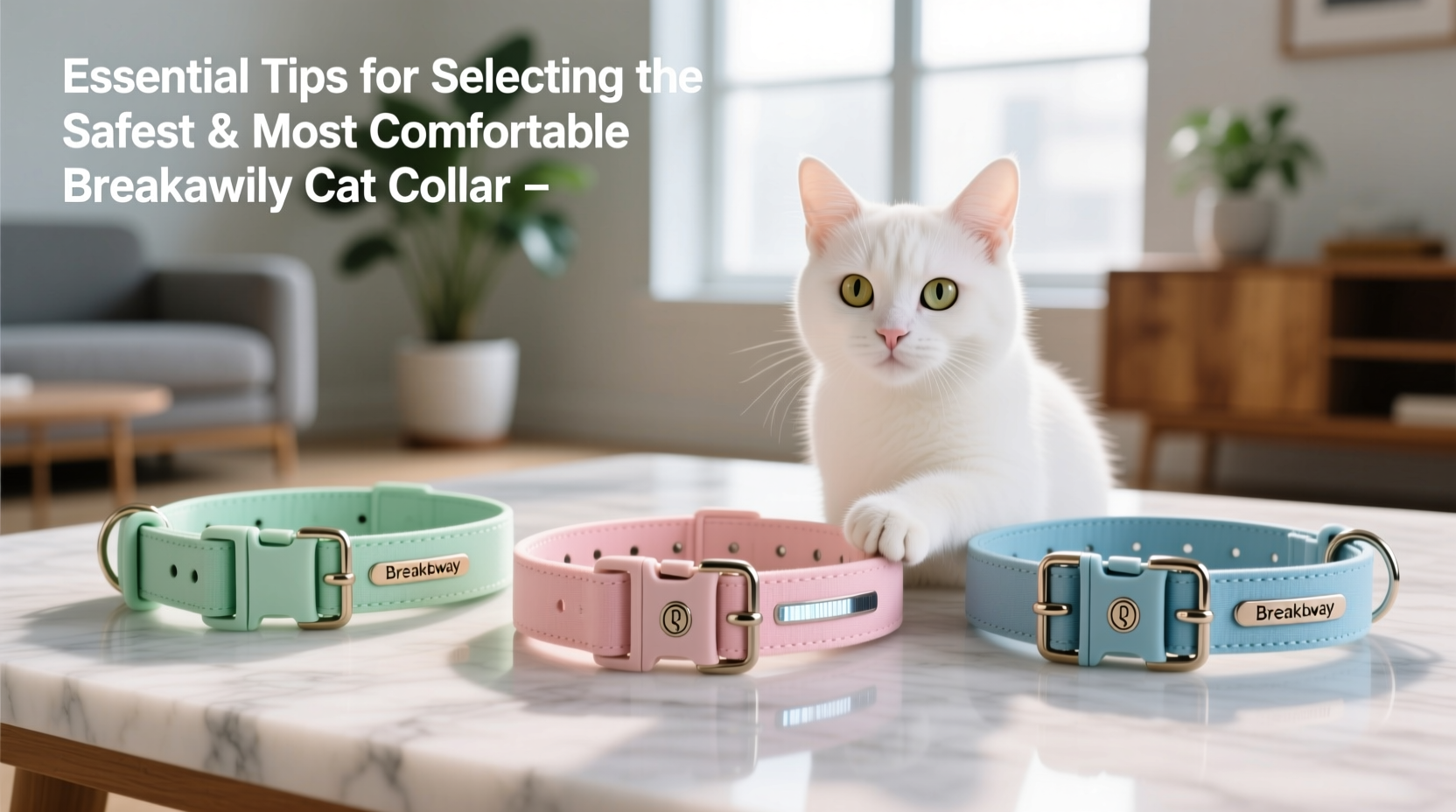
A traditional pet collar may seem harmless, but for cats, it can pose a real danger. Unlike dogs, cats don’t pull against restraints—they struggle. If a regular collar catches on a fence, branch, or door handle, a cat's instinctive reaction to twist and pull can tighten the collar around its neck, leading to strangulation within minutes. The American Veterinary Medical Association (AVMA) recommends breakaway-style collars for all cats, especially those with outdoor access or who explore unsupervised indoors.
Breakaway collars feature a specialized clasp that releases when subjected to sudden force. This design allows the cat to escape safely if the collar becomes trapped, significantly reducing the risk of injury or death. However, the collar should still stay securely fastened during normal activity, so the release mechanism must be calibrated correctly—not too loose, not too tight.
Tip: Always supervise your cat for the first few hours after introducing a new collar to ensure it fits properly and doesn’t cause irritation.Key Features of a Safe and Comfortable Breakaway Collar
When evaluating breakaway collars, focus on these five critical elements:
- Functional Breakaway Clasp: The clasp should release under moderate tension—enough to free a trapped cat but not so easily that it comes off during play or grooming.
- Adjustable Fit: The collar must be adjustable to fit snugly without restricting movement. You should be able to fit one finger comfortably between the collar and your cat’s neck.
- Lightweight Material: Heavy collars can irritate the neck or discourage use. Nylon and soft polyester are common choices due to their strength and low weight.
- Smooth Interior: Look for collars with stitched edges or seamless linings to prevent chafing, especially for cats with sensitive skin.
- Reflective Elements: For added visibility during dawn or dusk, reflective strips enhance safety, particularly for cats with outdoor access.
Additionally, consider whether you want to attach an ID tag or a small bell. While bells can deter birds and alert owners to a cat’s presence, some cats dislike the noise. Tags should be lightweight and securely attached to avoid snagging.
Choosing the Right Size and Fit
Finding the correct size is crucial. A collar that’s too tight can cause sores or restrict breathing; one that’s too loose defeats the purpose of identification and increases entanglement risk. Measure your cat’s neck using a soft tape measure, adding about half an inch to allow room for growth or fur thickness.
| Cat Weight | Neck Circumference | Recommended Collar Length |
|---|---|---|
| Under 5 lbs | 7–8 inches | Adjustable up to 9 inches |
| 5–10 lbs | 8–10 inches | Adjustable 8–11 inches |
| Over 10 lbs | 10–12 inches | Adjustable 10–13 inches |
Always double-check fit after purchase. Reassess every few months, especially in kittens or long-haired breeds prone to matting around the neck.
“Breakaway collars are a simple yet vital tool in feline safety. I’ve seen too many cases of collar-related trauma that could have been avoided.” — Dr. Lena Patel, DVM, Feline Wellness Specialist
Step-by-Step Guide to Selecting and Introducing a Breakaway Collar
Follow this sequence to ensure a smooth transition and optimal safety:
- Assess Your Cat’s Lifestyle: Indoor-only cats still benefit from ID collars in case they escape. Outdoor or semi-outdoor cats need durable, weather-resistant options.
- Research Trusted Brands: Choose manufacturers known for safety testing, such as LupinePet, Puppia, or Sleepypod. Check customer reviews focusing on clasp reliability.
- Select the Correct Size: Use the measurement guide above and verify adjustability range before purchasing.
- Inspect the Clasp Mechanism: Manually test the breakaway function (if possible) by gently pulling the ends apart. It should require noticeable force but not extreme strength.
- Introduce Gradually: Let your cat sniff and examine the collar first. Place it on for short intervals (15–30 minutes), monitoring for signs of distress or scratching.
- Monitor Behavior: Watch for excessive pawing, hiding, or grooming changes. Some cats adjust in hours; others take days.
- Check Regularly: Inspect the collar weekly for wear, fraying, or weakened clasps. Replace every 6–12 months or sooner if damaged.
Real-Life Example: How a Breakaway Collar Saved a Life
Sophie, a 3-year-old tabby from Portland, slipped out through a delivery door one rainy evening. Her owner, Mark, had recently put on a new breakaway collar with an engraved tag. Two days later, a neighbor spotted Sophie tangled in ivy growing along a chain-link fence. One of her front legs was caught, and she was struggling to free herself. As she pulled back, the collar released cleanly, allowing her to retreat without injury. The neighbor contacted Mark using the ID tag information. “I’ll never forget how close it was,” Mark said. “That collar didn’t just save her fur—it saved her life.”
Frequently Asked Questions
Can kittens wear breakaway collars?
Yes, but only if properly sized. Kittens grow quickly, so check the fit weekly and adjust or replace as needed. Ensure the clasp isn’t too sensitive—some very small kittens may accidentally release it during normal play.
Do breakaway collars work with harnesses?
No. Breakaway collars are not substitutes for harnesses during walks. Never clip a leash to a breakaway collar—it will likely detach under tension. Use a dedicated harness for walking.
How often should I replace my cat’s breakaway collar?
Every 6 to 12 months, depending on wear. Sunlight, moisture, and constant friction degrade materials over time. Inspect monthly for fraying, fading, or stiff hardware.
Final Checklist Before Buying
- ✅ Confirmed breakaway clasp with moderate release tension
- ✅ Adjustable sizing to fit your cat’s current neck measurement
- ✅ Lightweight, soft material with no rough edges
- ✅ Reflective stitching or trim for low-light visibility
- ✅ Room for a secure ID tag (optional)
- ✅ Positive reviews regarding durability and safety performance
Conclusion: Safety Starts With the Right Collar
Selecting a breakaway cat collar isn’t just about fashion or convenience—it’s a fundamental part of responsible pet ownership. With the right fit, material, and safety features, a well-chosen collar protects your cat from accidents while helping identify them if they ever get lost. Don’t compromise on quality or skip proper fitting. Your cat’s comfort and safety depend on thoughtful selection and ongoing care.
💬 Have experience with breakaway collars? Share your story or tips in the comments below—your insight could help another cat owner make a safer choice today.








