
Vaccinating your dog is one of the most effective ways to protect them from life-threatening diseases like parvovirus, distemper, and rabies. While veterinary clinics remain the gold standard for administering vaccines, some pet owners consider home vaccination due to logistical challenges, cost concerns, or limited access to veterinary care. However, vaccinating at home carries risks if not done correctly. This guide provides essential, science-based advice to help you make informed decisions and, if appropriate, administer vaccines safely and effectively in a home environment.
Understanding When Home Vaccination Is Appropriate
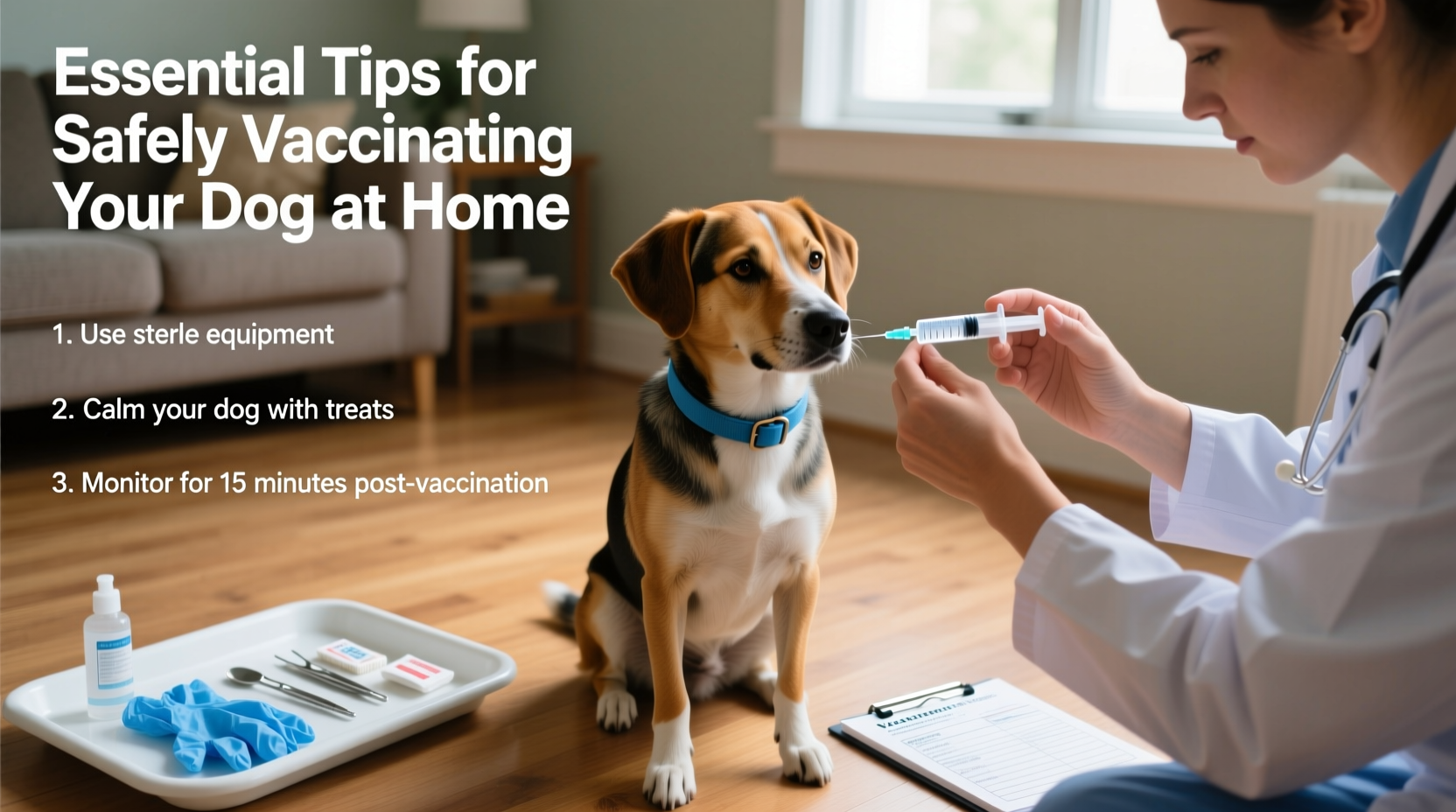
Not all vaccines should be administered at home. Core vaccines—those that protect against widespread, severe diseases—are typically best given under professional supervision. Non-core or booster vaccines, such as those for bordetella (kennel cough), may be more suitable for home use in certain circumstances, especially when prescribed and approved by a licensed veterinarian.
Home vaccination should never replace a relationship with a trusted vet. It should only be considered as a supplementary option when:
- You have explicit guidance from your veterinarian.
- Your dog is healthy, up-to-date on previous vaccinations, and not immunocompromised.
- You are using vaccines legally obtained through veterinary channels.
- You can properly store, handle, and dispose of medical materials.
“Vaccines are medical products, not over-the-counter supplements. Administering them without proper training can lead to ineffective immunization or adverse reactions.” — Dr. Laura Simmons, DVM, Veterinary Preventive Medicine Specialist
Step-by-Step Guide to Safe Home Vaccination
If your veterinarian approves home vaccination, follow this structured process to minimize risk and maximize effectiveness.
- Consult Your Veterinarian: Obtain written instructions, vaccine recommendations, and confirmation of your dog’s eligibility for home administration.
- Purchase Vaccines Legally: Buy only from veterinary-approved suppliers. Avoid online marketplaces selling unregulated or expired products.
- Store Vaccines Properly: Most canine vaccines require refrigeration between 35°F and 45°F (2°C–7°C). Use a dedicated cooler with temperature monitoring during transport.
- Gather Supplies: Prepare sterile syringes, alcohol swabs, gloves, bandages, a sharps container, and a towel for restraint.
- Restrain Your Dog Calmly: Use gentle but secure handling. Have a helper assist if needed. Never force or rush the process.
- Administer the Vaccine: For subcutaneous injections (most common), lift the skin at the back of the neck to form a tent and insert the needle at a 45-degree angle.
- Dispose of Materials Safely: Place used needles and syringes in a puncture-proof sharps container. Do not throw them in household trash.
- Monitor for Reactions: Watch your dog closely for 24–48 hours for signs of swelling, lethargy, vomiting, or difficulty breathing.
Do’s and Don’ts of Home Vaccination
| Do’s | Don’ts |
|---|---|
| Wash hands and disinfect surfaces before handling vaccines. | Use expired or improperly stored vaccines. |
| Follow your vet’s dosing and timing instructions precisely. | Reuse needles or syringes. |
| Keep a detailed vaccination record with dates and lot numbers. | Vaccinate a sick, pregnant, or very young puppy without approval. |
| Have an emergency plan in place for adverse reactions. | Inject into muscle unless specifically instructed (e.g., rabies). |
| Label and date all vaccine vials upon receipt. | Leave sharps unattended or accessible to children or pets. |
Real Example: A Responsible Home Vaccination Scenario
Maria, a rural dog owner with two healthy adult Border Collies, lives 90 minutes from the nearest veterinary clinic. Her dogs require annual bordetella boosters before attending sheepdog trials. After discussing options with her vet, she receives pre-filled, refrigerated intranasal bordetella vaccines shipped via cold chain delivery. The vet provides a video tutorial, a printed checklist, and a 24-hour emergency contact number.
Maria administers the nasal drops exactly as instructed—holding each dog gently while dispensing half the dose into each nostril. She logs the date, batch number, and observes both dogs for mild sneezing, which resolves within 24 hours. Her proactive communication and adherence to protocol prevent unnecessary stress and travel while ensuring valid protection for competition entry.
Essential Checklist Before Proceeding
Before attempting any home vaccination, verify the following:
- ✅ Your veterinarian has approved the specific vaccine and method.
- ✅ Your dog is healthy—no fever, diarrhea, coughing, or recent illness.
- ✅ You have received proper training or instructional materials.
- ✅ Vaccines are within expiration date and have been stored correctly.
- ✅ You have sterile equipment and a safe disposal method for sharps.
- ✅ You know the signs of an allergic reaction and how to respond.
- ✅ You’ve updated your dog’s medical record immediately after administration.
Frequently Asked Questions
Can I legally vaccinate my dog at home?
Laws vary by country and state. In the U.S., most states require rabies vaccines to be administered by a licensed veterinarian. Other vaccines may be legally purchased and given by owners, but legality does not imply safety. Always check local regulations and consult your vet.
What should I do if my dog has a reaction?
Mild reactions like localized swelling or slight lethargy usually resolve within a day. If your dog experiences facial swelling, hives, vomiting, collapse, or difficulty breathing, seek emergency veterinary care immediately. These may indicate anaphylaxis, a life-threatening condition.
Are home-administered vaccines as effective as vet-given ones?
The vaccine itself is equally effective if stored, handled, and administered correctly. However, improper technique—such as injecting into fat instead of subcutaneous tissue or using contaminated equipment—can result in failed immunity. Professional administration reduces these risks significantly.
Final Thoughts and Responsibility
Vaccinating your dog at home is not a shortcut—it’s a responsibility that demands knowledge, precision, and preparedness. While it can be a viable option in specific, well-managed cases, it should never undermine the importance of regular veterinary oversight. Preventive medicine works best when supported by professional diagnostics, tailored schedules, and ongoing health assessments.
If you choose to proceed with home vaccination, do so with humility, diligence, and full transparency with your veterinarian. Keep meticulous records, prioritize your dog’s comfort, and always put safety first. Remember: the goal isn’t just to inject a vaccine—it’s to ensure your dog develops strong, lasting immunity without unnecessary risk.
💬 Have experience with home vaccination or questions about your dog’s immunization plan? Share your thoughts or ask for advice in the comments—your insights could help other responsible pet owners make safer choices.








