Raising pet ducks can be one of the most rewarding experiences for animal lovers. Unlike chickens, ducks are quieter, cleaner in some respects, and bring a unique charm to backyard life. They waddle with personality, form strong bonds with their caregivers, and can live up to 10–15 years with proper care. However, ducks have specific needs that differ from other poultry. Understanding these requirements is crucial to ensuring your duck thrives—not just survives. From water access to predator protection, every detail matters.
Provide Proper Housing and Enclosure
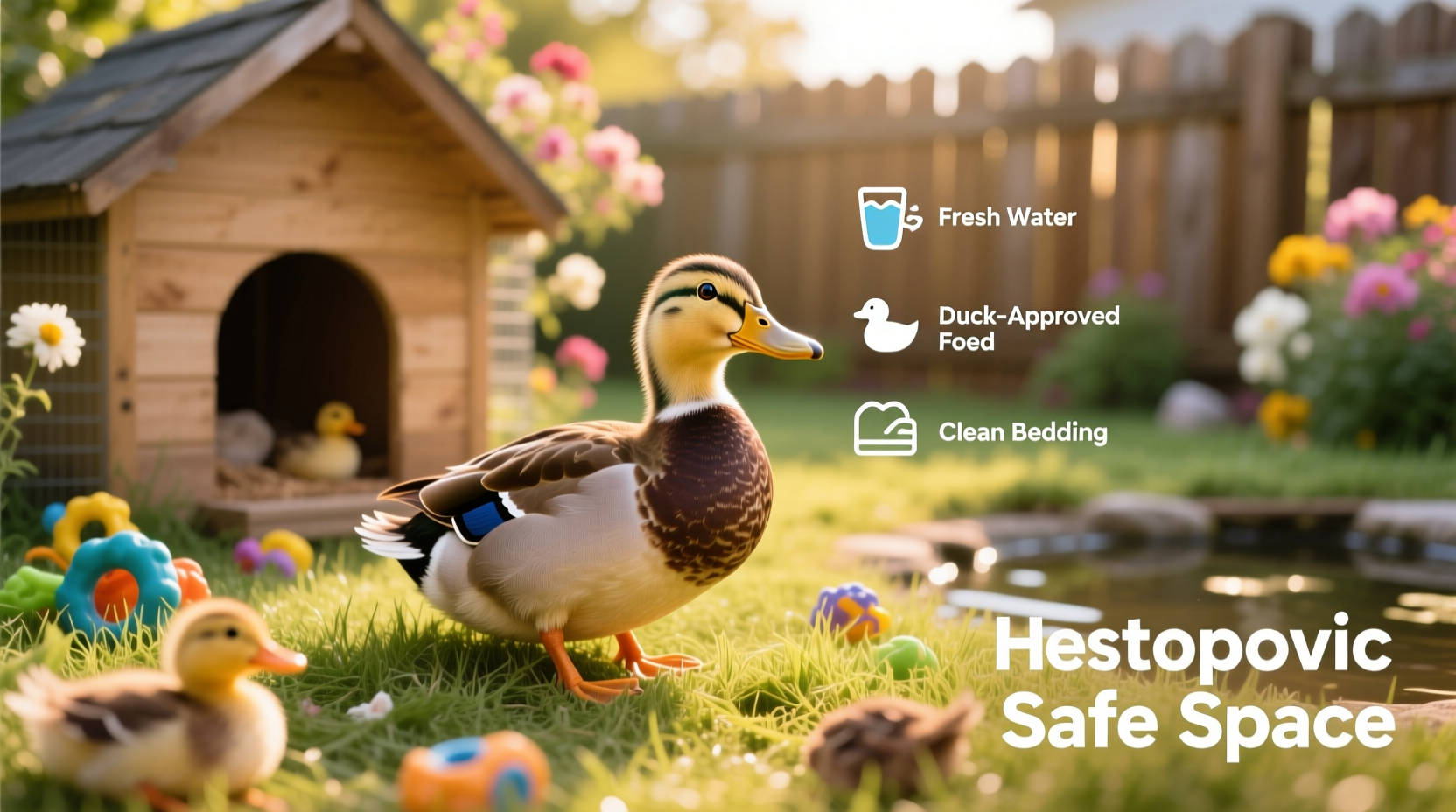
Ducks need safe, dry shelter at night and protection from predators such as raccoons, foxes, and hawks. While they tolerate cold better than heat, their coop must remain draft-free, well-ventilated, and dry. Unlike chickens, ducks don’t roost—they sleep on the ground—so bedding should be thick and absorbent, like straw or pine shavings.
The enclosure should allow at least 4–6 square feet per duck inside the coop and 10–15 square feet per bird in an outdoor run. Wire flooring should be avoided; it can damage their delicate feet. A secure, covered run prevents escape and keeps aerial predators at bay.
Tip: Elevate the coop slightly off the ground to prevent moisture buildup and improve airflow underneath.Water Access: Non-Negotiable for Duck Health
Ducks require constant access to clean, fresh water—not just for drinking, but for maintaining eye, nostril, and feather health. They use water to rinse their bills, clear their sinuses, and keep their eyes moist. Without it, ducks can develop respiratory issues and eye infections.
While a small pond or kiddie pool enhances their quality of life, even daily access to a shallow tub (at least 6 inches deep) allows them to submerge their heads. Change this water frequently, as ducks quickly dirty it with food and droppings. Never house ducks where they can sleep in wet bedding—this leads to bumblefoot and fungal infections.
“Ducks aren’t just waterfowl—they’re water-dependent. Denying them adequate water is like asking a fish to live on land.” — Dr. Laura Thompson, Avian Veterinarian
Balanced Nutrition: More Than Just Bread
One of the most common misconceptions is that ducks thrive on bread. In reality, bread offers no nutritional value and can lead to malnutrition and angel wing—a deformity caused by improper diet. Ducks need a balanced intake of protein, vitamins, and minerals.
For ducklings under 2 weeks old, feed non-medicated starter crumbles with 18–20% protein, supplemented with niacin (B3). Add brewer’s yeast to their feed at 5% to prevent leg weakness. After 2 weeks, switch to a grower feed (15–16% protein), and by 18 weeks, transition to layer pellets if females begin laying.
Supplement their diet with leafy greens, chopped vegetables, and occasional mealworms. Avoid salty or sugary foods. Always provide grit—small stones that help ducks grind food in their gizzard since they lack teeth.
| Lifestage | Feed Type | Niacin Source Needed? | Special Notes |
|---|---|---|---|
| Duckling (0–2 weeks) | Non-medicated starter crumbles (18–20%) | Yes – add brewer’s yeast | Prevents leg deformities |
| Grower (2–18 weeks) | Grower feed (15–16%) | Moderate supplementation | Reduce protein gradually |
| Adult (18+ weeks) | Layer pellets (if laying) | No | Ensure calcium for eggshell strength |
Social and Behavioral Needs
Ducks are highly social animals. Keeping a single duck leads to stress, depression, and abnormal behaviors like excessive vocalization or feather plucking. At minimum, keep two ducks together—ideally more. They bond closely, groom each other, and communicate constantly through soft quacks and body language.
Different breeds exhibit different temperaments. Call ducks are tiny and vocal; Khaki Campbells are active layers; Pekins are calm and friendly. Observe your ducks daily—happy ducks are active, curious, and have smooth feathers. Signs of distress include lethargy, head tucking, labored breathing, or isolation.
Tip: Introduce new ducks slowly. Quarantine for 2–3 weeks to prevent disease spread.A Real-Life Example: The Backyard Duck Rescue Turned Family Pet
In Portland, Oregon, the Reynolds family adopted two abandoned juvenile mallards from a local wildlife rehabilitator. With no prior experience, they built a secure coop with a fenced yard and added a plastic wading pool filled daily. Initially, the ducks were skittish and refused to eat. The family researched duck nutrition and switched from chick starter to proper duckling feed with brewer’s yeast. Within three weeks, the ducks began following them around the yard, preening contentedly after swims. Now four years later, the ducks are fully integrated into the household routine, greeting visitors and laying eggs regularly. Their success stemmed not from luck—but from consistent attention to species-specific needs.
Predator Prevention and Health Monitoring
Ducks are vulnerable due to their ground-dwelling habits and limited flight ability. Secure enclosures with hardware cloth (not chicken wire), lock coops at dusk, and consider motion-sensor lights or guardian animals like geese or small livestock guardian dogs.
Common health issues include:
- Bumblefoot: Caused by rough surfaces or wet bedding. Look for swelling or sores on the footpad.
- Respiratory infections: Often triggered by poor ventilation or dusty bedding.
- Internal parasites: Worms can be managed with regular fecal checks and deworming as needed.
Establish a relationship with an avian-experienced veterinarian. Annual checkups, though rare for backyard flocks, can catch problems early. Keep a simple log of behavior, droppings, and egg production to track changes over time.
Step-by-Step Daily Care Routine
- Morning: Open coop, refill fresh water, offer feed, check for injuries or unusual behavior.
- Midday: Top off water (especially in summer), provide shade access.
- Evening: Close coop securely, inspect bedding, remove soiled material.
- Weekly: Deep-clean water containers, rotate outdoor space if possible, inspect fence integrity.
- Monthly: Review weight, feather condition, and droppings; schedule vet visits if needed.
Frequently Asked Questions
Can I keep ducks with chickens?
Yes, but with caution. Ducks and chickens can coexist, but ducks prefer wetter environments and may contaminate shared water sources. Also, ducks tend to be calmer, while chickens can be aggressive. Monitor interactions closely, especially during feeding.
Do pet ducks fly away?
Most domestic breeds cannot fly due to their size. Muscovy ducks can glide short distances but rarely leave a secure yard. Wing clipping is unnecessary for most breeds and can impair balance and swimming.
How often do ducks lay eggs?
It depends on breed and season. Khaki Campbells and Indian Runners can lay 200–300 eggs per year, mostly in spring and summer. Ducks typically don’t lay in winter unless provided with supplemental light.
Essential Care Checklist
- ✅ Secure, dry, ventilated coop with bedding
- ✅ Daily access to clean, deep water for head-dipping
- ✅ Species-appropriate feed with niacin for ducklings
- ✅ Minimum of two ducks for companionship
- ✅ Predator-proof fencing with buried wire or hardware cloth
- ✅ Regular cleaning of water and feeding areas
- ✅ Access to a vet experienced with waterfowl
- ✅ Shade and swimming area during hot weather
Final Thoughts: Commitment Over Cuteness
Raising a happy and healthy pet duck goes far beyond their adorable appearance. It requires thoughtful planning, daily attention, and a willingness to learn their unique biology. Ducks aren’t disposable pets—they form lasting bonds and depend entirely on their caregivers for survival. When you meet their needs, however, they reward you with gentle companionship, pest control in the garden, and a joyful presence that transforms any backyard.
🚀 Ready to welcome ducks into your life? Start by researching local regulations, preparing secure housing, and connecting with waterfowl rescues or breeders. Your journey to responsible duck ownership begins today.








