Maintaining a healthy aquarium begins long before you add the first fish. The quality of the water determines whether your aquatic pets thrive or struggle. Tap water may look clean, but it often contains chlorine, chloramines, heavy metals, and imbalanced pH levels that can be lethal to fish. Preparing aquarium water properly is not just a one-time task—it’s an ongoing process rooted in science, consistency, and observation. Whether you're setting up a new tank or performing routine maintenance, understanding how to prepare ideal water conditions is essential for long-term success.
Understand Your Source Water
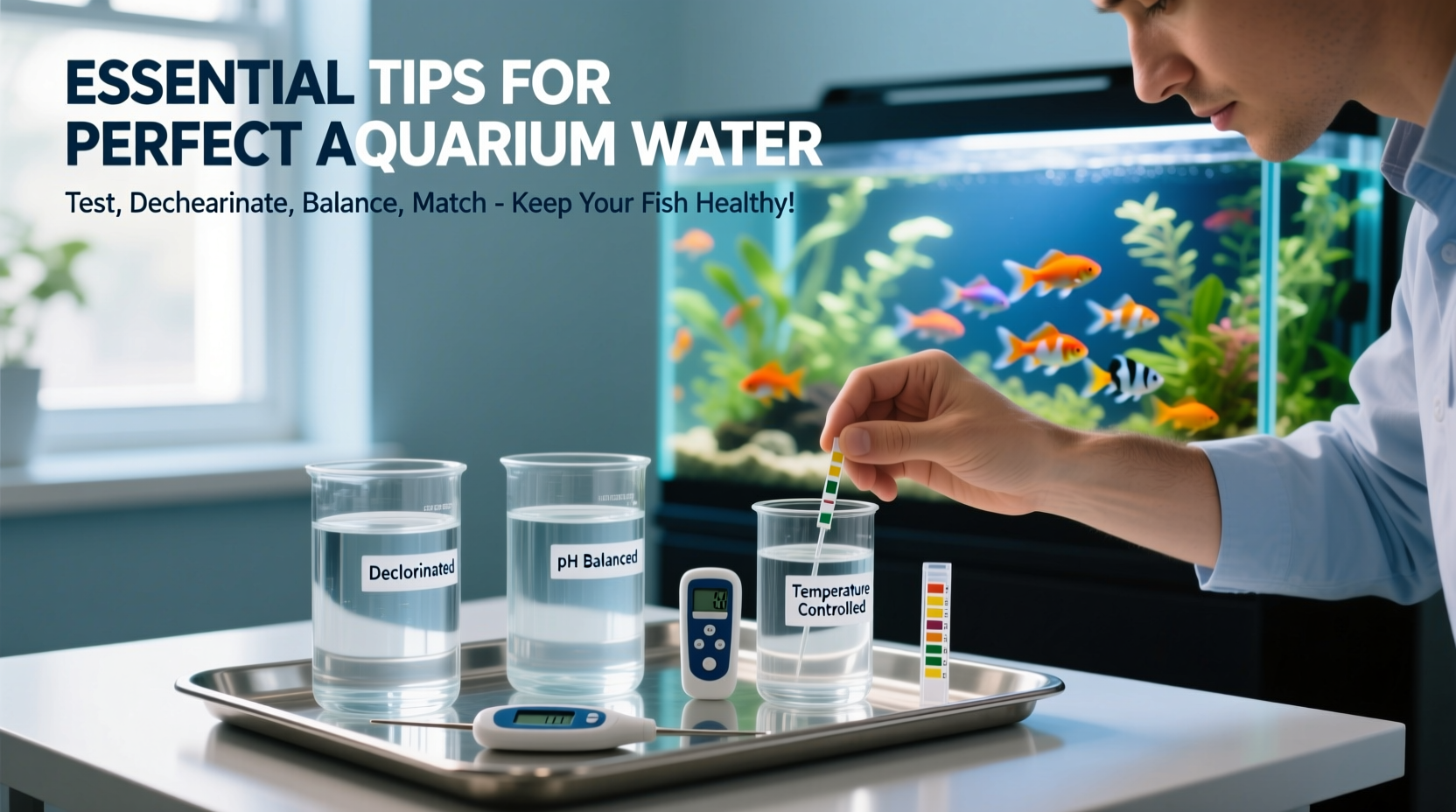
Your tap water is the foundation of your aquarium ecosystem, yet its composition varies widely depending on location. Municipal water supplies are treated with disinfectants like chlorine and chloramine to make them safe for human consumption, but these chemicals are toxic to fish and beneficial bacteria. Before using tap water in your aquarium, always test its baseline parameters: pH, hardness (GH), alkalinity (KH), and temperature.
A simple water test kit can reveal critical information. For example, soft water with low mineral content may not buffer pH effectively, leading to dangerous fluctuations. Conversely, very hard water might stress species adapted to softer conditions, such as tetras or angelfish. Reverse osmosis (RO) systems or dechlorinating conditioners can help modify tap water to suit your specific fish species.
Tip: Never use distilled water directly in your aquarium—it lacks essential minerals and can destabilize fish osmoregulation.Remove Harmful Chemicals Effectively
Chlorine and chloramine are the most common threats in untreated tap water. While chlorine may off-gas over time, chloramine does not and must be neutralized chemically. Always use a high-quality water conditioner when adding tap water to your aquarium. Look for products that detoxify both chlorine and chloramine, bind heavy metals like copper and lead, and support slime coat regeneration in fish.
The dosage matters. Follow manufacturer instructions carefully—under-dosing leaves toxins active; over-dosing is generally safe with most modern conditioners but wastes product. When performing water changes, treat new water *before* adding it to the tank to avoid shocking fish or damaging the biological filter.
“Treating water isn’t optional—it’s the first line of defense in fish health.” — Dr. Laura Simmons, Aquatic Veterinarian
Match Water Parameters to Your Fish Species
Different fish have evolved to live in specific water conditions. A neon tetra from the Amazon basin thrives in soft, acidic water (pH 5.5–6.8), while an African cichlid from Lake Malawi prefers hard, alkaline water (pH 7.8–8.6). Mismatching water chemistry leads to chronic stress, weakened immunity, and shortened lifespans.
To tailor your water correctly:
- Research the natural habitat of your fish species.
- Adjust pH gradually using buffers, peat moss, or crushed coral—never force rapid changes.
- Use RO water mixed with tap water to control hardness precisely.
- Monitor stability: consistent parameters are more important than “perfect” numbers.
| Fish Type | Optimal pH | GH (dGH) | KH (dKH) | Special Notes |
|---|---|---|---|---|
| Neon Tetra | 5.5–7.0 | 3–10 | 1–4 | Soft, blackwater-style setup preferred |
| Betta | 6.5–7.5 | 5–15 | 3–8 | Stable temperature also crucial |
| Guppy | 7.0–8.0 | 8–12 | 4–8 | Tolerant but prefers slightly hard water |
| African Cichlid | 7.8–8.6 | 10–20 | 8–15 | Add buffering substrate like aragonite |
Step-by-Step Guide: Preparing Water for a Weekly Change
Regular water changes are vital for diluting nitrates, replenishing trace elements, and maintaining overall stability. Here's a proven method to prepare replacement water safely:
- Collect water: Use a clean bucket reserved only for aquarium use. Fill it with tap water equal to the amount you’ll remove from the tank.
- Adjust temperature: Use a submersible heater or mix hot/cold water to match the aquarium’s current temperature (within ±1°F).
- Add conditioner: Dose the entire volume with a full-spectrum water conditioner. Stir gently to ensure even distribution.
- Test key parameters: Check pH, GH, and KH. If adjusting, do so now using appropriate additives—but avoid drastic shifts.
- Introduce slowly: Pour the prepared water into the aquarium gradually, avoiding direct impact on fish or substrate.
Avoid Common Water Preparation Mistakes
Even experienced aquarists occasionally make errors that compromise water quality. Awareness is the best prevention. Below are frequent missteps and how to avoid them:
- Skipping water tests: Assumptions lead to problems. Test regularly, especially after changes.
- Changing too much water at once: Replacing more than 50% weekly can disrupt bacterial balance and stress fish.
- Using soap or cleaners on equipment: Residues are highly toxic. Rinse tools and buckets with hot water only.
- Ignoring temperature shock: Cold water added suddenly can trigger illness. Always match temperatures.
- Overusing pH adjusters: Constant tweaking destabilizes the system. Focus on stability, not chasing numbers.
Real Example: The New Tank That Nearly Failed
Mark, a beginner aquarist, set up a 20-gallon freshwater tank with guppies and neon tetras. He rinsed the gravel, filled the tank with tap water, added a drop-in conditioner, and introduced fish the same day. Within 48 hours, two neons died. Testing revealed high ammonia (0.5 ppm) and a pH swing from 7.0 to 6.2 overnight. The issue? Untreated substrate leaching tannins and insufficient cycling. After switching to pre-treated RO/tap mix, stabilizing pH with crushed coral, and completing a proper nitrogen cycle, his tank stabilized. His fish recovered and began breeding within six weeks. The lesson: preparation includes both water and habitat readiness.
Essential Water Care Checklist
Keep this checklist handy for every water change or new setup:
- ☐ Test tap water for chlorine, pH, GH, KH
- ☐ Use a dechlorinator/conditioner (covers chloramine and heavy metals)
- ☐ Match temperature of new water to tank water
- ☐ Avoid sudden parameter shifts (especially pH)
- ☐ Store water treatment products away from light and heat
- ☐ Clean buckets and siphons without soap
- ☐ Monitor fish behavior after water addition
- ☐ Record water parameters monthly for trend analysis
Frequently Asked Questions
Can I use rainwater in my aquarium?
Rainwater can be used but requires caution. It is naturally soft and low in minerals, which may not support fish health long-term. Additionally, rooftop collection can introduce pollutants. Always test and remineralize rainwater before use, and avoid if you live in areas with high air pollution.
How long should I let water sit before adding it to the tank?
If using only chlorine-free tap water with a conditioner, you can add it immediately. However, letting treated water circulate for 15–30 minutes ensures even mixing and temperature stabilization. Note: sitting alone does not remove chloramine—chemical treatment is required.
Is bottled spring water safe for aquariums?
Some brands are acceptable, but check labels for added minerals or preservatives. Spring water varies significantly between sources. Always test pH, GH, and KH before use. It’s often cost-prohibitive for large tanks.
Final Thoughts: Consistency Is Key
Perfect aquarium water isn’t about achieving laboratory precision—it’s about creating a stable, non-toxic environment where fish can thrive. Success comes from routine attention to detail: treating every drop of new water, matching conditions thoughtfully, and monitoring results over time. Healthy water supports strong immune systems, vibrant colors, and natural behaviors in fish. By mastering these fundamentals, you’re not just maintaining a tank—you’re cultivating a living ecosystem.
💬 Have a water-prep tip that saved your aquarium? Share your experience in the comments and help fellow hobbyists build healthier, more resilient tanks!








