As cats age, their grooming needs change significantly. Senior cats—typically those aged 7 years and older—often struggle with mobility, arthritis, reduced flexibility, and declining health, making self-grooming difficult or painful. Without proper care, this can lead to matted fur, skin infections, and discomfort. Grooming becomes not just about appearance but essential hygiene and wellness. However, grooming an older cat requires patience, gentleness, and an understanding of their physical and emotional limits. Done correctly, it strengthens the bond between pet and owner while supporting long-term health.
Why Senior Cats Need Extra Grooming Attention
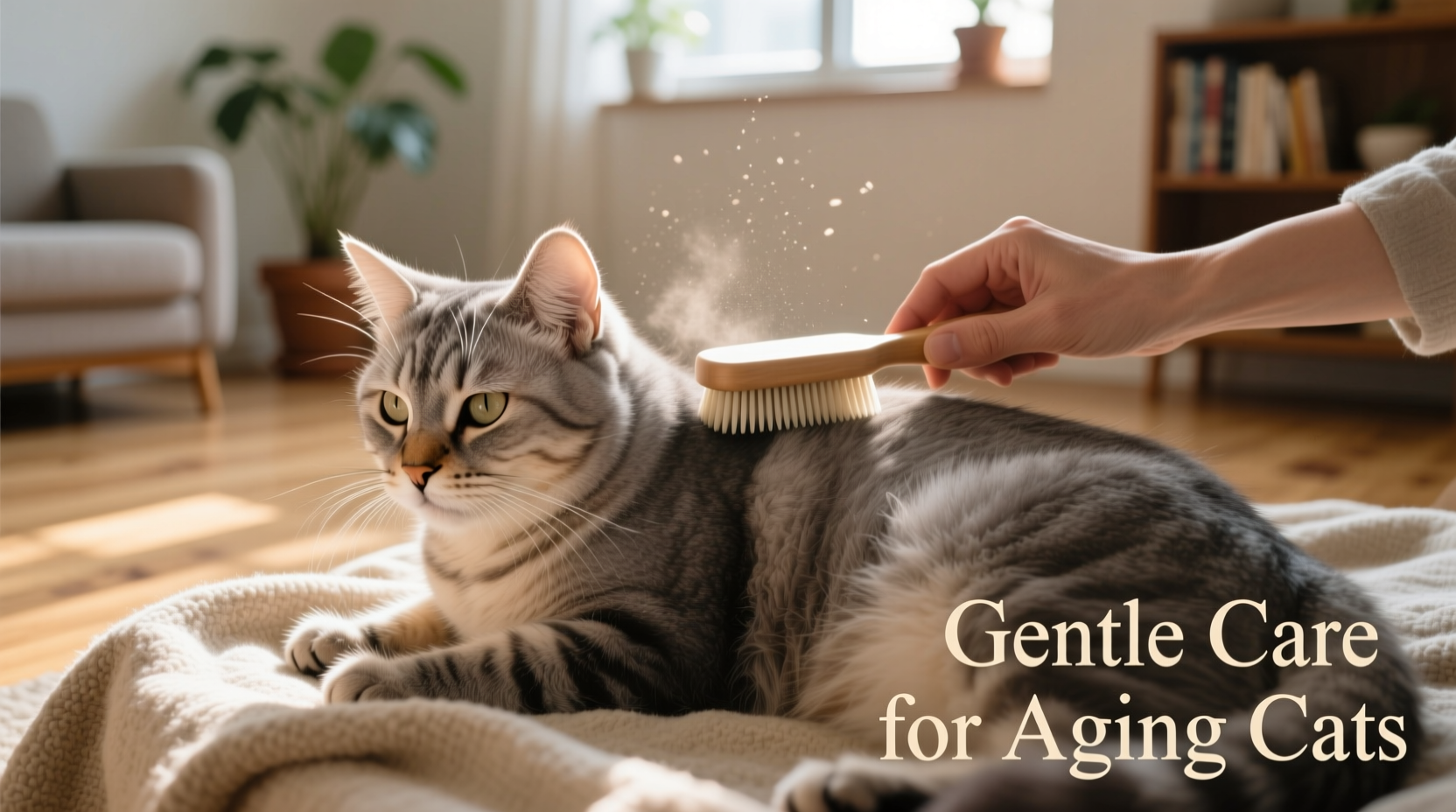
Aging affects every aspect of a cat’s body. Arthritis can make twisting and reaching certain areas nearly impossible. Dental pain may discourage prolonged grooming sessions. Reduced circulation and slower metabolism impact skin and coat quality, often leading to dryness, flakiness, or excess oil buildup. Cognitive decline in some senior cats also results in confusion or resistance during handling.
When a cat stops grooming effectively, problems arise quickly: mats form, especially behind the ears, under the legs, and along the back; fecal matter can cling to soiled fur; and minor skin irritations may go unnoticed until they become serious. Regular, gentle grooming helps prevent these issues and allows owners to monitor for lumps, sores, or changes in weight and muscle tone.
“Grooming isn’t just cosmetic—it’s preventive medicine for senior cats. A few minutes daily can catch early signs of illness and improve comfort.” — Dr. Lena Torres, Feline Veterinarian & Geriatric Care Specialist
Step-by-Step Guide to Safe and Comfortable Grooming
Grooming a senior cat should be a calm, predictable experience. Rushing or forcing the process increases stress and can damage trust. Follow this sequence to ensure safety and comfort:
- Choose the Right Time: Pick a moment when your cat is relaxed—after a nap or meal. Avoid grooming right after medication or vet visits.
- Select a Quiet Space: Use a familiar room with minimal distractions. Keep noise levels low and other pets away.
- Prepare Your Tools: Have a soft-bristle brush, wide-tooth comb, pet-safe wipes, and treats ready. Warm water-dampened cloths are useful for spot cleaning.
- Start with Touch: Begin by gently stroking your cat’s head and neck. Observe their reaction before proceeding.
- Brush in Short Sessions: Limit brushing to 5–10 minutes. Focus on one area at a time, using slow, light strokes. Never pull on tangles.
- Check Sensitive Areas: Gently part fur around the tail base, underarms, and belly. Look for soiling, redness, or swelling.
- Reward Calm Behavior: Offer praise or a small treat after each step. Positive reinforcement builds cooperation.
- End on a Positive Note: Stop while your cat is still comfortable—even if you haven’t finished. Consistency matters more than completion.
Do’s and Don’ts of Senior Cat Grooming
| Do’s | Don’ts |
|---|---|
| Use soft, flexible brushes designed for sensitive skin | Use metal combs or stiff brushes that can scratch thinning skin |
| Moisten dry skin with a vet-approved hydrating spray | Bathe frequently—older cats struggle to regulate body temperature |
| Support limbs gently when checking underarms or hindquarters | Force your cat into positions that cause discomfort or strain |
| Clean eyes and ears with damp cotton balls (never Q-tips) | Insert anything into the ear canal or use alcohol-based cleaners |
| Trim nails every 2–3 weeks with guillotine-style clippers | Cut into the quick—especially risky if your cat has dark nails |
Real-Life Example: Helping Whiskers Through Winter
Whiskers, a 14-year-old domestic shorthair, began avoiding her litter box due to stiffness in her hips. Her owner, Maria, noticed a strong odor and discovered matted fur near her tail and soiled patches underneath. Concerned, she consulted her vet, who diagnosed mild arthritis and recommended a grooming routine to prevent skin infections.
Maria started with daily 5-minute sessions using a rubber curry brush. She placed Whiskers on a heated mat for comfort and offered tuna paste as a reward. Over three weeks, Whiskers grew more accepting. Maria learned to clean the rear area with pet-safe wipes after each bathroom visit, reducing odor and irritation. The simple act of grooming became a bonding ritual—and Whiskers resumed using her litter box consistently.
This case shows how targeted, compassionate grooming can resolve hygiene issues and improve quality of life in senior cats.
Essential Grooming Checklist for Senior Cat Owners
- ✅ Brush coat 2–3 times per week (daily for long-haired breeds)
- ✅ Inspect skin for lumps, scabs, or parasites during each session
- ✅ Wipe face and eyes gently with a warm, damp cloth if needed
- ✅ Clean ears weekly with vet-recommended solution and cotton ball
- ✅ Trim nails every 2–3 weeks, avoiding the pink quick
- ✅ Check anal area regularly for fecal accumulation
- ✅ Bathe only when absolutely necessary—use waterless shampoo if possible
- ✅ Monitor weight and muscle loss during grooming
- ✅ Schedule professional grooming every 2–3 months if home care is challenging
- ✅ Keep grooming tools clean and replace worn brushes
Frequently Asked Questions
How often should I groom my senior cat?
Short-haired senior cats benefit from grooming 2–3 times per week. Long-haired cats need daily attention to prevent mats. Even brief sessions help distribute natural oils, remove loose fur, and allow health checks.
My senior cat hates being touched—how can I make grooming easier?
Start slowly. Touch one area for just a few seconds, then stop and reward. Gradually increase duration over days or weeks. Avoid sensitive zones initially. Consider using a grooming glove, which feels more like petting than brushing.
Can I sedate my cat for grooming?
Never use over-the-counter sedatives. If your cat is highly anxious or aggressive, consult your veterinarian. They may recommend a mild prescription calming aid or refer you to a mobile groomer experienced with geriatric pets.
Final Thoughts: Gentle Care for Golden Years
Grooming a senior cat is an act of love and vigilance. It goes beyond aesthetics—it’s a hands-on way to support dignity, hygiene, and health in your cat’s later years. By adapting your approach to their changing needs, you reduce pain, prevent infections, and deepen your connection. Small, consistent efforts make a profound difference.
Every stroke of the brush, every wiped paw, is a quiet affirmation that your cat is seen, cared for, and valued. Whether you’re managing arthritis, addressing hygiene challenges, or simply maintaining a soft coat, your attention enhances both longevity and quality of life.
💬 Have a senior cat grooming tip that worked for you? Share your experience in the comments—your insight could help another caregiver provide better comfort to their aging companion.








