Winter brings joy, snow play, and cozy moments—but it also presents real challenges for dogs, especially puppies. With their underdeveloped thermoregulation systems and often thin coats, young dogs are particularly vulnerable to cold stress. Hypothermia, frostbite, and discomfort can occur even in mild winter conditions if a puppy isn’t properly protected. Choosing the right winter clothing isn't just about style; it's a crucial part of responsible pet care. The right gear keeps your puppy warm, dry, and safe during outdoor activities while supporting mobility and comfort.
Understand Your Puppy’s Cold Weather Needs
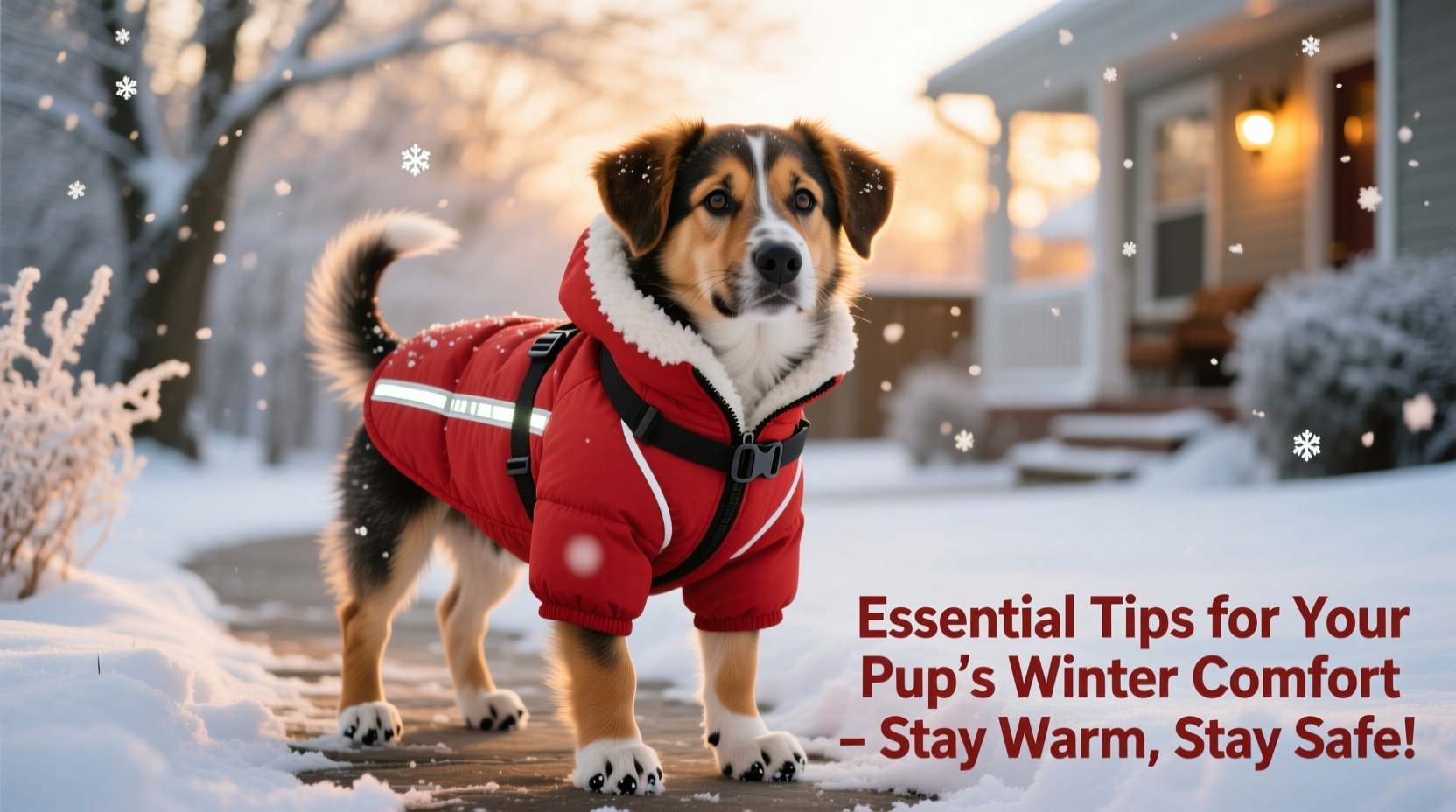
Different breeds, sizes, and ages respond to cold weather in vastly different ways. Small breeds like Chihuahuas, toy poodles, or Yorkshire Terriers lose body heat rapidly due to their high surface-area-to-mass ratio. Hairless breeds such as Xolos or Chinese Cresteds require full coverage. Even larger, thick-coated breeds like Huskies may need protection during prolonged exposure to freezing rain or sub-zero temperatures.
Puppies, in particular, have not yet developed full insulation through mature fur growth. Their bodies are still growing, and energy is prioritized toward development rather than temperature maintenance. Veterinarians recommend that puppies under six months old should not be exposed to temperatures below 45°F (7°C) without protective clothing.
“Puppies lack the physical maturity to regulate body temperature efficiently. In cold climates, outerwear isn’t optional—it’s a health necessity.” — Dr. Lena Torres, DVM, Canine Wellness Specialist
Key Features to Look for in Puppy Winter Wear
Not all dog sweaters or coats are created equal. Effective winter clothing must balance insulation, fit, durability, and safety. Here are the most important features to evaluate:
- Insulating Material: Look for fleece, wool blends, or thermal synthetics like Thinsulate. Avoid cotton, which absorbs moisture and loses insulating properties when wet.
- Water Resistance: A waterproof or water-resistant outer shell prevents snow and slush from soaking through, keeping your puppy dry during walks.
- Full Coverage: Opt for coats that extend from neck to tail, with high collars or hoods for added protection against wind and snow.
- Secure but Adjustable Fit: Adjustable straps at the neck and belly ensure the garment stays in place without restricting movement or breathing.
- Reflective Elements: For early morning or evening walks, reflective strips improve visibility and safety near roads.
- Easy On/Off Design: Puppies can be wiggly. Look for front-loading designs or Velcro closures that simplify dressing.
Choosing the Right Type of Outerwear
The ideal winter garment depends on your puppy’s lifestyle, climate, and breed. Consider these common types:
| Type | Best For | Limitations |
|---|---|---|
| Fleece Sweaters | Mild cold, indoor use, fashion | Not waterproof; minimal wind protection |
| Insulated Coats | Daily walks in cold climates | May overheat in active dogs |
| Rainproof Jackets | Wet winters, rainy regions | Less breathable; monitor for overheating |
| Full-body Suits | Tiny breeds, extreme cold | Can restrict movement if poorly fitted |
| Harness-Compatible Vests | Dogs who wear harnesses regularly | Limited torso coverage |
For most urban or suburban environments with moderate winter conditions, a well-insulated, water-resistant coat with a harness opening is ideal. In areas with heavy snowfall or sustained freezing temperatures, consider layering—a thermal undershirt beneath a waterproof outer jacket.
Step-by-Step Guide to Fitting Winter Clothes
Even the highest-quality coat won’t help if it doesn’t fit properly. Follow this sequence to ensure optimal comfort and protection:
- Measure Your Puppy: Use a soft tape measure to record neck girth, chest girth (behind front legs), and back length (base of neck to base of tail).
- Check Size Charts: Brands vary significantly. Always refer to the manufacturer’s size guide using your puppy’s actual measurements.
- Try It On Indoors: Introduce the garment at home in a calm setting. Let your puppy move around freely.
- Assess Mobility: Watch for signs of restriction—difficulty walking, hunched posture, or reluctance to move.
- Check for Gaps: There should be no large openings at the neck, legs, or tail where cold air can enter.
- Monitor Behavior: If your puppy excessively scratches, bites at the clothing, or seems anxious, it may be too tight or irritating.
- Adjust and Re-test: Make adjustments or try a different size before outdoor use.
Avoid Common Mistakes with Puppy Winter Wear
Even well-meaning owners can make errors that compromise safety or comfort. These pitfalls are easily avoidable with awareness:
- Overdressing: Layering too much can cause overheating, especially during active play. Puppies should feel warm, not sweaty.
- Ignoring the Harness: Many coats aren’t designed for harness use. Ensure the leash attaches securely without fabric bunching.
- Using Human Clothing: Scarves, adult sweaters, or mittens can pose choking hazards or restrict movement.
- Leaving Clothes On Unsupervised: Puppies may chew seams or get tangled. Remove garments when indoors and unsupervised.
- Neglecting Cleanliness: Wet or dirty coats lose insulation and may irritate skin. Wash regularly according to care instructions.
Real-Life Example: Protecting a Shih Tzu Puppy in Chicago Winters
Maria adopted a 12-week-old Shih Tzu named Milo in November. Living in Chicago, she quickly realized that her daily walks were becoming dangerous for the tiny pup. At 38°F (3°C), Milo began shivering within minutes and refused to lift his paws off the icy sidewalk.
After consulting her vet, Maria invested in a waterproof, insulated jacket with a high collar and non-slip belly strap. She introduced it slowly with treats and short indoor wear sessions. Within days, Milo was comfortable on 20-minute walks even when temperatures dipped to 30°F (-1°C). Maria also added booties to protect his paws from salt and ice melt, checking them frequently for irritation.
The result? A happy, active puppy who stayed healthy all winter—without catching a chill or developing dry, cracked paw pads.
Essential Winter Clothing Checklist
Before purchasing or using winter gear, ensure you’ve covered these basics:
- ☑ Measure your puppy accurately before ordering
- ☑ Choose water-resistant, insulated material
- ☑ Confirm compatibility with collar or harness
- ☑ Test fit and mobility indoors first
- ☑ Include reflective details for low-light safety
- ☑ Have a backup garment for rotation and washing
- ☑ Monitor puppy’s behavior and body temperature outdoors
Frequently Asked Questions
How do I know if my puppy is too cold?
Signs include shivering, lifting paws, whining, lethargy, or seeking shelter. If you observe any of these, return indoors immediately and warm your puppy gradually with blankets—not direct heat.
Do puppies need booties in winter?
Yes, especially on salted sidewalks or icy terrain. Booties protect against frostbite, chemical burns from de-icers, and cracked paw pads. Start with short indoor practice sessions to build tolerance.
Can I leave a sweater on my puppy overnight?
No. Clothing should be removed when unsupervised. It can trap moisture, cause overheating, or become a chewing hazard. Instead, provide a warm, draft-free sleeping area with soft bedding.
Final Thoughts
Protecting your puppy during winter isn’t about luxury—it’s about safety and well-being. The right clothing can mean the difference between a miserable, risky outing and a joyful, secure experience in the snow. By understanding your puppy’s unique needs, selecting high-quality, properly fitted garments, and avoiding common mistakes, you ensure they stay warm, dry, and comfortable all season long.
💬 Your puppy’s comfort matters. Share your winter gear tips or ask questions in the comments—let’s keep every pup safe and snug this winter!








