
The pet industry continues to grow at an impressive rate, with U.S. pet expenditures surpassing $136 billion in 2023. As more people treat their pets as family members, demand for high-quality food, toys, grooming supplies, and wellness products has surged. This expanding market presents a compelling opportunity for entrepreneurs who are passionate about animals and want to build a sustainable business. Launching a pet supply store requires more than just love for animals—it demands strategic planning, customer insight, and operational discipline. Follow these essential steps to position your store for long-term success.
1. Conduct In-Depth Market Research
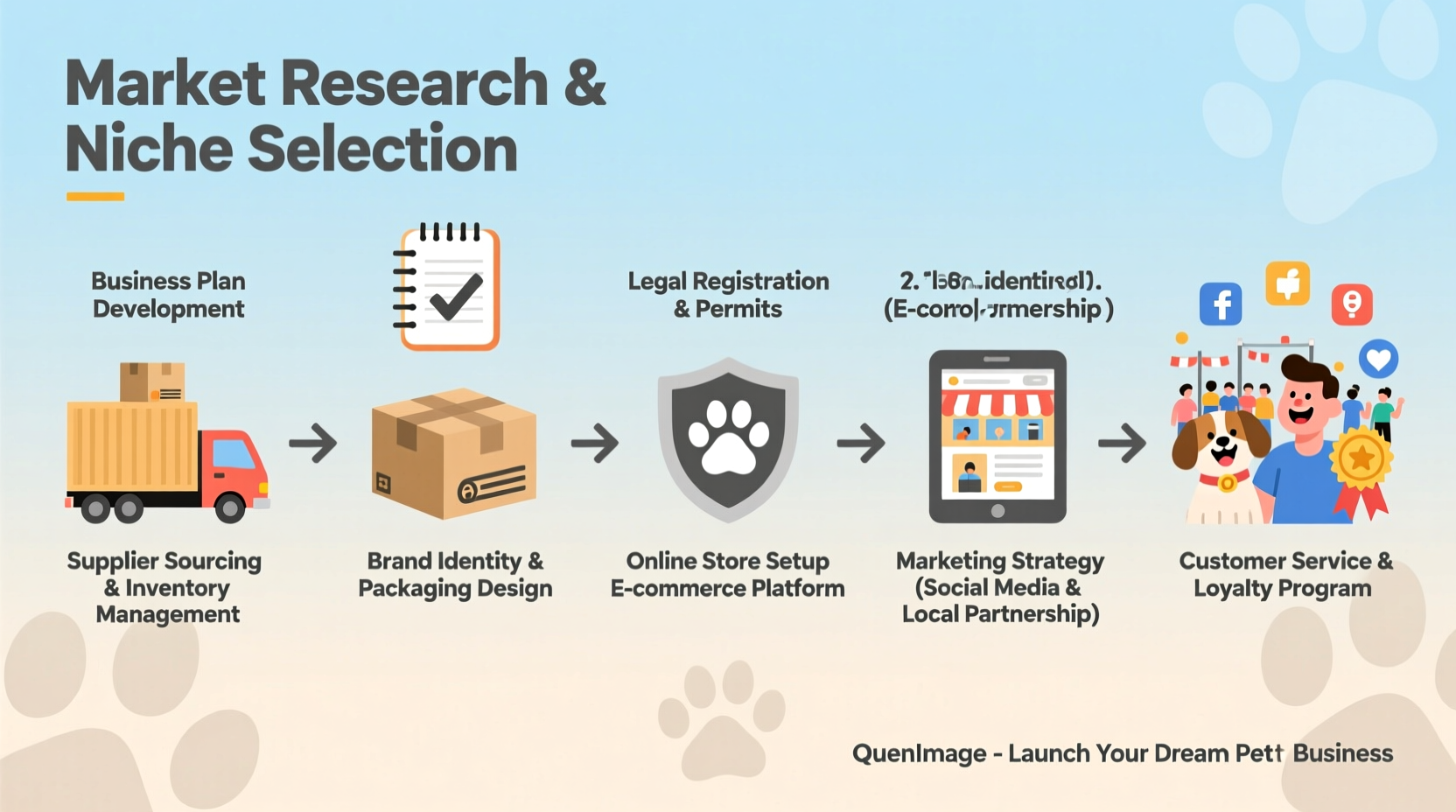
Before investing time and capital, understand the landscape of your local and digital pet market. Identify gaps in existing offerings—perhaps there’s no store specializing in organic pet food or eco-friendly toys. Analyze competitors: visit nearby pet stores, review their pricing, product mix, and customer service models. Look at online retailers like Chewy or Amazon to assess how they influence local buying behavior.
Demographics matter. Areas with higher concentrations of young professionals, families, or retirees often have stronger pet ownership rates. Use census data, local surveys, or social media insights to determine which neighborhoods are most likely to support a brick-and-mortar pet shop.
Tip: Attend pet expos or trade shows like Global Pet Expo to observe emerging trends and network with suppliers firsthand.2. Develop a Solid Business Plan
A comprehensive business plan is not just a tool for securing funding—it's your roadmap. It should include:
- Executive Summary: Overview of your mission, vision, and goals.
- Market Analysis: Data on target customers, competition, and growth potential.
- Product Offerings: Categories such as dry/wet food, treats, collars, leashes, grooming kits, supplements, and specialty items (e.g., cooling vests).
- Pricing Strategy: Competitive yet profitable margins; consider bundling services or loyalty discounts.
- Financial Projections: Forecasted revenue, expenses, break-even analysis, and cash flow over three to five years.
- Marketing Plan: How you’ll attract and retain customers through branding, promotions, and community engagement.
“Retailers who combine passion with data-driven decisions outperform those relying solely on intuition.” — Sarah Lin, Small Business Advisor, National Retail Federation
3. Choose the Right Location and Business Model
Your choice between a physical store, e-commerce platform, or hybrid model will shape your operations significantly. A storefront allows hands-on customer interaction and immediate sales, while online gives broader reach and lower overhead. Many successful pet supply businesses start online and expand into retail spaces later.
If opening a physical location, prioritize visibility, foot traffic, and proximity to veterinary clinics or dog parks. Ensure adequate parking and pet-friendly access (e.g., outdoor seating or leash hooks). For e-commerce, invest in a user-friendly website with mobile optimization, secure checkout, and fast shipping options.
| Business Model | Pros | Cons |
|---|---|---|
| Brick-and-Mortar | Immediate customer trust, impulse buys, personalized service | High rent, staffing needs, limited geographic reach |
| E-Commerce Only | Lower startup costs, national reach, scalable inventory | Shipping complexities, less personal connection, return management |
| Hybrid (Online + Store) | Best of both worlds, omnichannel experience | Higher initial investment, complex logistics |
4. Build Reliable Supplier Relationships
Sourcing quality products consistently is critical. Partner with reputable distributors or directly with brands known for safety and transparency—especially important for food and supplements. Consider working with local artisans who make handmade collars or natural treats; this differentiates your store and supports community commerce.
Negotiate favorable terms such as volume discounts, return policies, and delivery schedules. Always request product samples before committing. Avoid over-relying on a single supplier to mitigate risk during shortages or disruptions.
Tip: Prioritize suppliers with certifications like AAFCO compliance for pet food or cruelty-free labels for grooming products.5. Create a Memorable Brand Identity
Your brand is more than a logo—it’s the entire experience customers associate with your store. Choose a name that reflects warmth, trust, and care. Design packaging, signage, and digital assets with cohesive colors and fonts. Train staff to embody your values: knowledgeable, friendly, and genuinely attentive to pets and owners alike.
Develop a unique selling proposition (USP). Are you the go-to for grain-free nutrition? Do you offer free training workshops or adoption events? Communicate what sets you apart clearly across all channels.
Step-by-Step Launch Timeline (6-Month Plan)
- Month 1–2: Finalize concept, conduct market research, write business plan.
- Month 3: Register business, obtain licenses (seller’s permit, EIN), open business bank account.
- Month 4: Secure suppliers, order initial inventory, design brand identity and website.
- Month 5: Set up store (or online platform), hire and train team, begin pre-launch marketing.
- Month 6: Host soft opening, gather feedback, refine operations, schedule grand opening event.
Mini Case Study: Paws & Prosperity
In 2021, Jamie Reed opened “Paws & Prosperity” in Portland, Oregon, focusing exclusively on sustainable pet products. After noticing a lack of eco-conscious options locally, she built relationships with seven small-batch manufacturers producing biodegradable waste bags, hemp leashes, and plant-based treats.
Jamie launched with a pop-up event at a local dog park, offering free samples and partnering with a rescue group for adoptions. She used Instagram to showcase behind-the-scenes stories and customer testimonials. Within eight months, her monthly revenue doubled, and she expanded into a permanent storefront. Her key insight? Authenticity builds loyalty faster than aggressive advertising.
Essential Pre-Launch Checklist
Checklist:- ✅ Register business name and obtain necessary permits
- ✅ Open a dedicated business bank account
- ✅ Apply for reseller license to buy wholesale
- ✅ Finalize supplier contracts and place first order
- ✅ Design and print branding materials (bags, tags, business cards)
- ✅ Build website with e-commerce functionality (if applicable)
- ✅ Hire and train staff on product knowledge and POS system
- ✅ Schedule grand opening with promotional offers
- ✅ Install security systems and insurance coverage
- ✅ Set up accounting software (e.g., QuickBooks) for tracking
Frequently Asked Questions
How much does it cost to start a pet supply store?
Startup costs vary widely based on size and model. A small online store can launch for $5,000–$10,000 (website, initial inventory, branding). A physical location may require $50,000–$150,000, covering rent, renovations, equipment, inventory, and licensing.
Do I need prior experience in retail or animal care?
No formal experience is required, but familiarity with pet needs and retail operations is highly beneficial. Many successful owners learn through mentorship, industry courses, or working temporarily in similar stores before launching.
What are the most profitable pet products?
High-margin items include specialty diets (grain-free, raw, prescription), dental chews, calming supplements, designer apparel, and private-label goods. Bundling low-cost items (like poop bags) with premium purchases increases average transaction value.
Conclusion: Turn Passion Into Purpose
Launching a successful pet supply store begins with understanding your customers and delivering real value. From meticulous planning to authentic community engagement, every step shapes your reputation and sustainability. The bond between pets and their humans is powerful—and by serving it thoughtfully, you create more than a business. You become a trusted partner in pet wellness and happiness.
🚀 Ready to bring your dream pet store to life? Start today: sketch your ideal customer, list three potential suppliers, and draft your first mission statement. Share your journey in the comments—we’d love to cheer you on!








