
Creating a vibrant, healthy freshwater aquarium is more than selecting a tank and adding fish. It’s an ecosystem that requires careful planning, patience, and consistent maintenance. Many beginners rush into stocking their tanks without understanding biological balance, water chemistry, or species compatibility—leading to algae outbreaks, fish stress, and even fatalities. A successful aquarium thrives not on luck, but on informed decisions made during setup and beyond.
This guide dives deep into the often-overlooked aspects of aquarium establishment, building on foundational knowledge to help you avoid common pitfalls and cultivate a sustainable underwater environment.
1. Choosing the Right Tank Size and Location
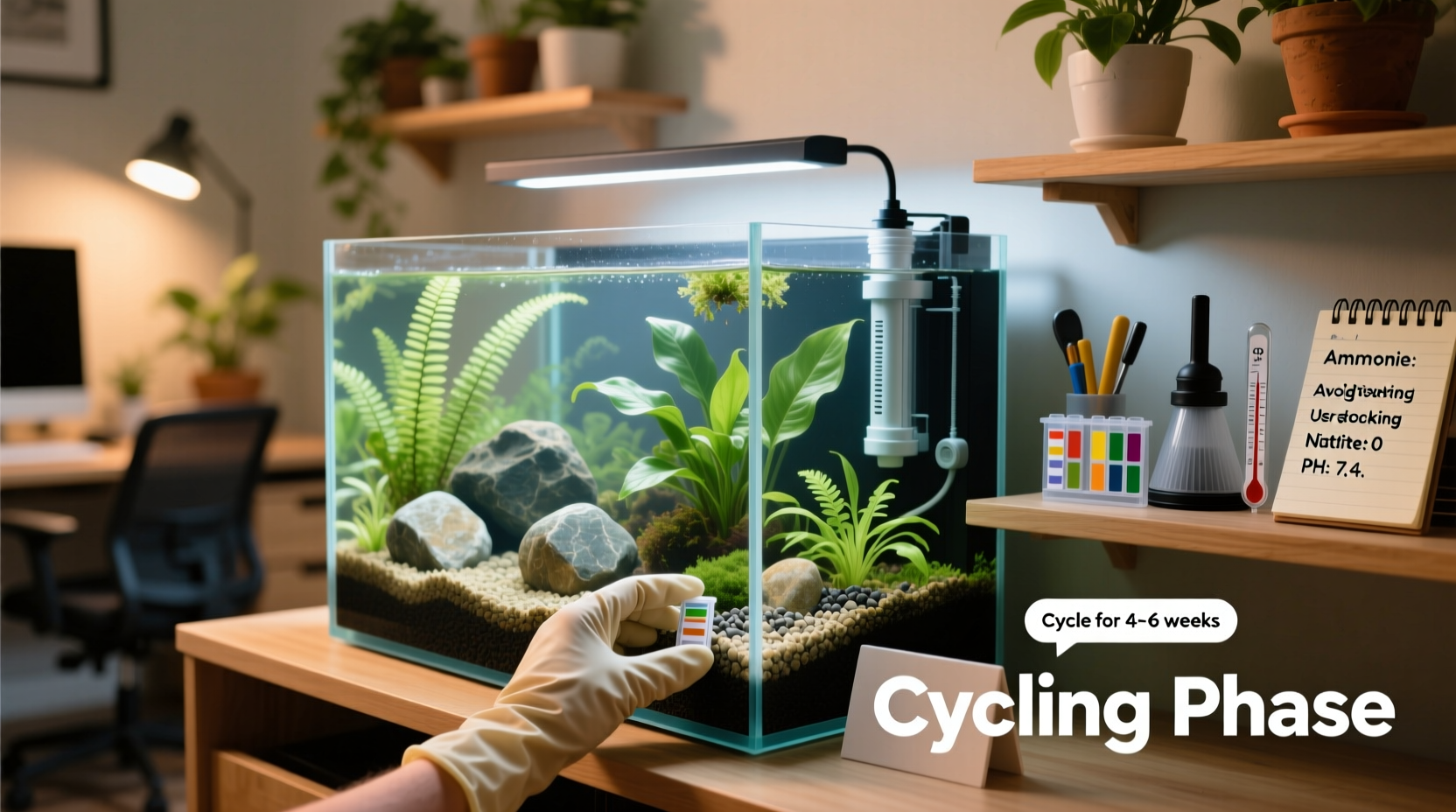
The size of your aquarium directly impacts stability. Larger tanks (30 gallons and above) are more forgiving because they dilute toxins like ammonia and nitrite more effectively and maintain stable temperatures. However, even a well-maintained 10-gallon tank can flourish if managed properly.
When selecting a location:
- Avoid direct sunlight to prevent excessive algae growth.
- Ensure the floor can support the weight—water weighs about 8.3 pounds per gallon.
- Keep away from heating vents, drafty windows, or high-traffic areas that cause vibrations.
2. The Nitrogen Cycle: Foundation of a Healthy Aquarium
The nitrogen cycle is the biochemical process that converts toxic fish waste (ammonia) into less harmful substances via beneficial bacteria. Skipping or rushing this step is the leading cause of \"new tank syndrome,\" where fish die within weeks.
- Stage 1 – Ammonia Production: Fish waste, uneaten food, and decaying matter release ammonia (NH₃), which is highly toxic.
- Stage 2 – Nitrite Conversion: Nitrosomonas bacteria convert ammonia into nitrite (NO₂⁻), still dangerous to fish.
- Stage 3 – Nitrate Formation: Nitrobacter bacteria transform nitrite into nitrate (NO₃⁻), which is relatively safe at low levels.
- Stage 4 – Maintenance: Regular water changes remove accumulated nitrates.
Cycling a tank typically takes 4–6 weeks. To speed up the process:
- Use seeded filter media from an established tank.
- Add live bacterial supplements (e.g., Tetra SafeStart, Dr. Tim’s One & Only).
- Dose pure ammonia to feed bacteria during fishless cycling.
“Never add fish until both ammonia and nitrite read zero, and nitrates begin to rise.” — Dr. Jessie Sanders, Certified Aquatic Veterinarian
3. Substrate, Hardscape, and Aquascaping Strategy
The substrate isn’t just decorative—it supports plant growth and houses beneficial bacteria. Choose based on your goals:
| Substrate Type | Best For | Drawbacks |
|---|---|---|
| Gravel (3–5mm) | General community tanks, easy cleaning | Poor nutrient retention for plants |
| Aquasoil (e.g., ADA Amazonia) | Planted tanks, promotes root development | Acidifies water; may require pH monitoring |
| Sand | Bottom dwellers (corydoras, loaches) | Can compact; needs stirring to prevent anaerobic pockets |
When arranging hardscape elements like driftwood or rocks:
- Anchor them securely before filling the tank.
- Leave open swimming zones for active species.
- Use the “rule of thirds��� in aquascaping for visual balance.
4. Stocking Your Tank: Compatibility and Timing
Overstocking is one of the most common mistakes. Follow the general guideline of 1 inch of adult fish per gallon for small species—but adjust for bioload, activity level, and territorial behavior.
Begin with hardy, peaceful species such as:
- Ember tetras
- Zebra danios
- Cherry barbs
- Otocinclus catfish (algae control)
Introduce fish gradually—add only 20–30% of your planned stock in the first month. This prevents sudden spikes in ammonia and allows the bacterial colony to grow in response.
Mini Case Study: Sarah’s 29-Gallon Planted Community Tank
Sarah set up a 29-gallon planted aquarium intending to house neon tetras and dwarf gouramis. Eager to see life in her tank, she added 15 neons and two gouramis within a week. By day ten, several fish were gasping at the surface. A water test revealed 1.5 ppm ammonia and 2.0 ppm nitrite. After emergency water changes and dosing with Prime dechlorinator, she halted stocking for four weeks. She later introduced fish in batches of three every two weeks. Within eight weeks, parameters stabilized, and her tank flourished. Her mistake? Impatience. Her recovery? Diligent monitoring and restraint.
5. Essential Equipment Checklist
Equipping your aquarium correctly ensures long-term success. Use this checklist before turning on the system:
- ✔️ Filter rated for at least 1.5x your tank volume (e.g., 150 GPH for a 30-gallon tank)
- ✔️ Heater with thermostat (adjustable, preferably with indicator light)
- ✔️ Thermometer (digital stick-on or submersible)
- ✔️ Gravel vacuum for water changes
- ✔️ Test kit (liquid-based for accuracy: API Freshwater Master Test Kit recommended)
- ✔️ Lighting appropriate for plant needs (LED preferred for efficiency and spectrum control)
- ✔️ Air pump (optional but helpful for oxygenation in densely stocked tanks)
- ✔️ Algae scraper or magnetic cleaner
6. Routine Maintenance Schedule
Consistency beats intensity when it comes to aquarium care. Follow this weekly/monthly routine:
| Frequency | Action | Purpose |
|---|---|---|
| Weekly | 25% water change + gravel vacuuming | Remove detritus, lower nitrates |
| Weekly | Test water (ammonia, nitrite, nitrate, pH) | Monitor ecosystem health |
| Bi-weekly | Clean filter media in used tank water | Maintain flow without killing bacteria |
| Monthly | Trim plants, wipe glass, inspect equipment | Prevent overgrowth and malfunctions |
| As needed | Replace filter cartridges (if used) | Ensure filtration efficiency |
Frequently Asked Questions
How long should I wait before adding fish after setup?
You must complete the nitrogen cycle first. In a fishless cycle with ammonia dosing, this takes 3–6 weeks. If using seeded media, it may take as little as 7–10 days. Always confirm with tests: ammonia = 0 ppm, nitrite = 0 ppm, nitrate > 5 ppm.
Why is my aquarium water cloudy after setup?
Initial cloudiness is usually due to bacterial bloom during cycling. It clears naturally in 1–2 weeks. Avoid changing filter media or doing large water changes, as this disrupts the cycle. Ensure you’re not overfeeding once fish are added.
Can I mix tropical and coldwater fish like goldfish with tetras?
No. Tropical fish thrive at 75–80°F (24–27°C), while goldfish prefer cooler water below 72°F (22°C). Mixing them stresses both and increases disease risk. Keep species with similar temperature, pH, and behavioral needs together.
Conclusion: Building a Living Ecosystem
A thriving freshwater aquarium is not an instant achievement—it’s a journey of observation, learning, and adjustment. Every parameter checked, every water change completed, and every thoughtful stocking decision contributes to a balanced microcosm that brings calm and beauty into your space. Success lies not in perfection but in consistency and respect for the natural processes at work beneath the surface.
💬 Ready to share your aquarium story? Whether you're troubleshooting a challenge or celebrating a milestone, join the conversation and inspire others to create sustainable aquatic habitats.








