Every puppy owner knows the joy of watching their furry companion leap with excitement at the sight of a new toy. But behind that wagging tail lies a responsibility: ensuring that every chew, tug, and toss supports not just fun, but long-term health. The wrong toy can lead to choking hazards, digestive blockages, or even toxic exposure. Choosing safe and durable dog toys isn’t about indulgence—it’s about protecting your puppy’s well-being while nurturing their natural instincts.
With countless options flooding pet stores and online marketplaces, making informed decisions is more important than ever. From material safety to structural integrity, this guide breaks down what truly matters when selecting toys that stand up to puppy energy and support lifelong wellness.
Why Toy Safety Matters More Than You Think
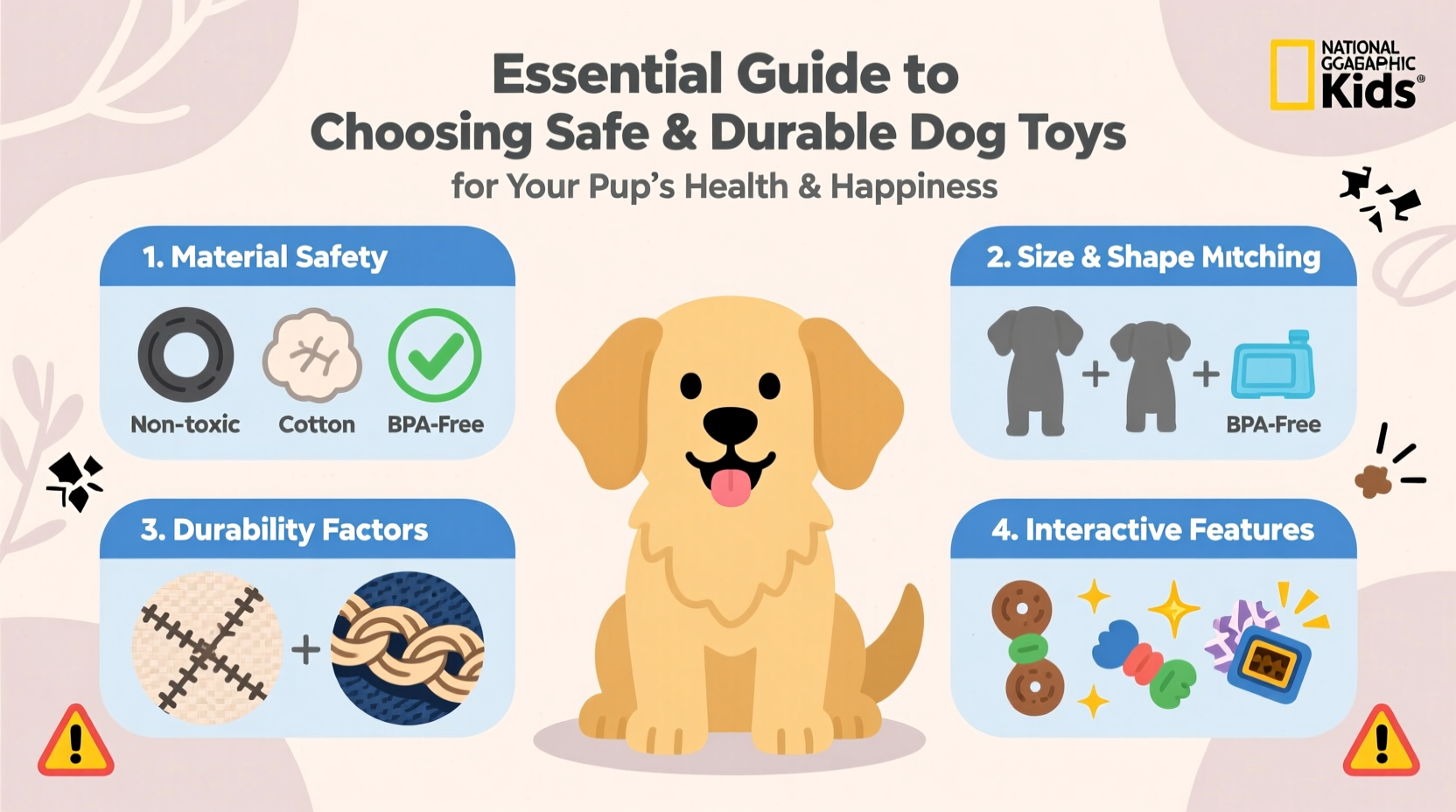
Puppies explore the world through their mouths. Chewing helps relieve teething pain, strengthens jaw muscles, and satisfies an innate need to gnaw. However, this instinctual behavior becomes risky when toys are made from low-quality materials or poorly constructed components.
The American Veterinary Medical Association (AVMA) reports that thousands of dogs each year require emergency treatment due to ingesting foreign objects—many of which originate from broken or deteriorating toys. Small parts like squeakers, eyes, or plastic fragments can be swallowed, leading to intestinal obstructions. Others may contain harmful chemicals such as phthalates or BPA, commonly found in soft plastics.
“Puppies are especially vulnerable because they’re still learning what’s safe to chew. Owners must act as first-line defenders by vetting every toy before it touches their pet.” — Dr. Laura Bennett, DVM, Canine Health Specialist
Key Features of Safe and Durable Dog Toys
Not all dog toys are created equal. To ensure both safety and longevity, focus on these critical characteristics:
- Non-toxic materials: Look for labels indicating food-grade rubber, natural latex, or organic cotton. Avoid toys with strong chemical odors.
- Appropriate size: A toy should be too large to fit entirely in your puppy’s mouth to prevent choking.
- No small detachable parts: Steer clear of toys with glued-on eyes, buttons, or internal squeakers that could break loose.
- Durability under stress: Test flexibility and resistance. If you can tear it with your hands, your puppy likely can too.
- Easy to clean: Toys that can be wiped down or washed help reduce bacterial buildup from drool and outdoor play.
Material Guide: What Works and What Doesn’t
The composition of a toy determines both its safety and lifespan. Below is a comparison of common materials used in puppy toys:
| Material | Safety Level | Durability | Best For | Avoid If |
|---|---|---|---|---|
| Natural Rubber (e.g., latex) | High | High | Chewers, teething puppies | Allergic reaction history |
| Fabric/Stuffed Plush | Low-Moderate | Low | Young pups, comfort play | Puppy tends to shred and ingest stuffing |
| Recycled Plastic | Moderate | Moderate-High | Fetch, water games | Contains BPA or unknown additives |
| Rawhide Alternatives (e.g., hemp, rice-based) | Moderate | Moderate | Longer chew sessions | Puppy has sensitive digestion |
| Wood (untreated, food-safe) | High | Moderate | Light chewers, scent games | Painted or chemically treated |
Rubber remains the gold standard for most experts due to its resilience and non-toxic properties. Brands like Kong and West Paw use FDA-compliant materials designed specifically for canine use.
Step-by-Step: How to Evaluate a New Puppy Toy
Before handing over any toy, follow this five-step evaluation process:
- Inspect packaging: Check for safety certifications (ASTM F963, CPSIA compliance), country of origin, and material disclosures.
- Smell test: Strong chemical odors often indicate volatile compounds. If it smells “plasticky,” reconsider.
- Pressure test: Squeeze, twist, and bend the toy. Does it crack? Are parts easily pulled off?
- Size check: Hold it next to your puppy’s mouth. It should not fit completely inside.
- Supervise the first use: Watch how your puppy interacts with it. Remove immediately if pieces break off or if they try to swallow parts.
Real-Life Example: The Case of Max, the Labrador Retriever
Max, a 5-month-old yellow lab, loved his plush squirrel with the loud squeaker. His family bought it from a popular online retailer, drawn by the cute design and low price. Within two days, Max had ripped off the button eyes and torn open the seam. By day three, he’d ingested part of the foam stuffing and the squeaker. An urgent vet visit revealed a partial obstruction requiring surgery.
After recovery, Max’s owners switched to veterinarian-recommended rubber toys. They now only purchase items labeled “non-toxic” and “squeaker-free,” and supervise all play sessions. Max still enjoys interactive play—but safely. His favorite is a treat-dispensing rubber ball that keeps him mentally engaged without risk.
This scenario is far from rare. According to a 2022 study published in the *Journal of Veterinary Emergency and Critical Care*, nearly 37% of toy-related ER visits in dogs involved plush toys with removable components.
Checklist: Selecting the Right Toy for Your Puppy
Use this checklist before every toy purchase:
- ✅ Made from non-toxic, pet-safe materials
- ✅ No small or detachable parts (eyes, ears, squeakers)
- ✅ Appropriate size for your puppy’s breed and age
- ✅ Durable enough to withstand moderate to heavy chewing
- ✅ Easy to clean (dishwasher-safe or wipeable)
- ✅ Free of strong chemical smells
- ✅ Complies with international safety standards (look for ASTM, CE, or CPC marks)
- ✅ Recommended by veterinarians or trusted pet organizations
Frequently Asked Questions
Are squeaky toys safe for puppies?
Squeaky toys can be safe if the squeaker is fully encapsulated within thick rubber or fabric and cannot be accessed by chewing. However, many experts recommend avoiding them altogether during the early months, as exposed squeakers pose a serious ingestion hazard.
How often should I replace my puppy’s toys?
Inspect toys weekly. Replace any that show signs of fraying, cracking, or loosening parts. High-use chew toys may need replacing every 1–2 months, while fetch balls can last 6+ months if intact.
Can I give my puppy human-made toys?
Generally, no. Human toys are not tested for pet safety and often contain small parts, toxic dyes, or weak seams. Even tennis balls, though popular, can wear down tooth enamel due to their abrasive felt coating.
Final Thoughts: Play Smart, Protect Their Future
Choosing the right toy goes beyond keeping your puppy entertained—it’s an investment in their long-term health. Every chew, bite, and tug should support dental development, mental stimulation, and physical activity without compromising safety. By prioritizing non-toxic materials, structural durability, and vigilant supervision, you create a play environment where joy and security coexist.
💬 Your puppy’s safety starts with smart choices. Share this guide with fellow pet parents and help build a safer playtime culture—one toy at a time.








