Dog grooming is more than just keeping your pet looking neat—it’s a vital part of their overall health and well-being. Regular grooming helps prevent skin issues, reduces shedding, detects parasites early, and strengthens the bond between you and your dog. While professional groomers offer valuable services, mastering basic grooming at home saves time and money while ensuring consistent care. This guide walks through proven techniques, tools, and routines to help you confidently groom your dog from the comfort of your home.
Why At-Home Grooming Matters
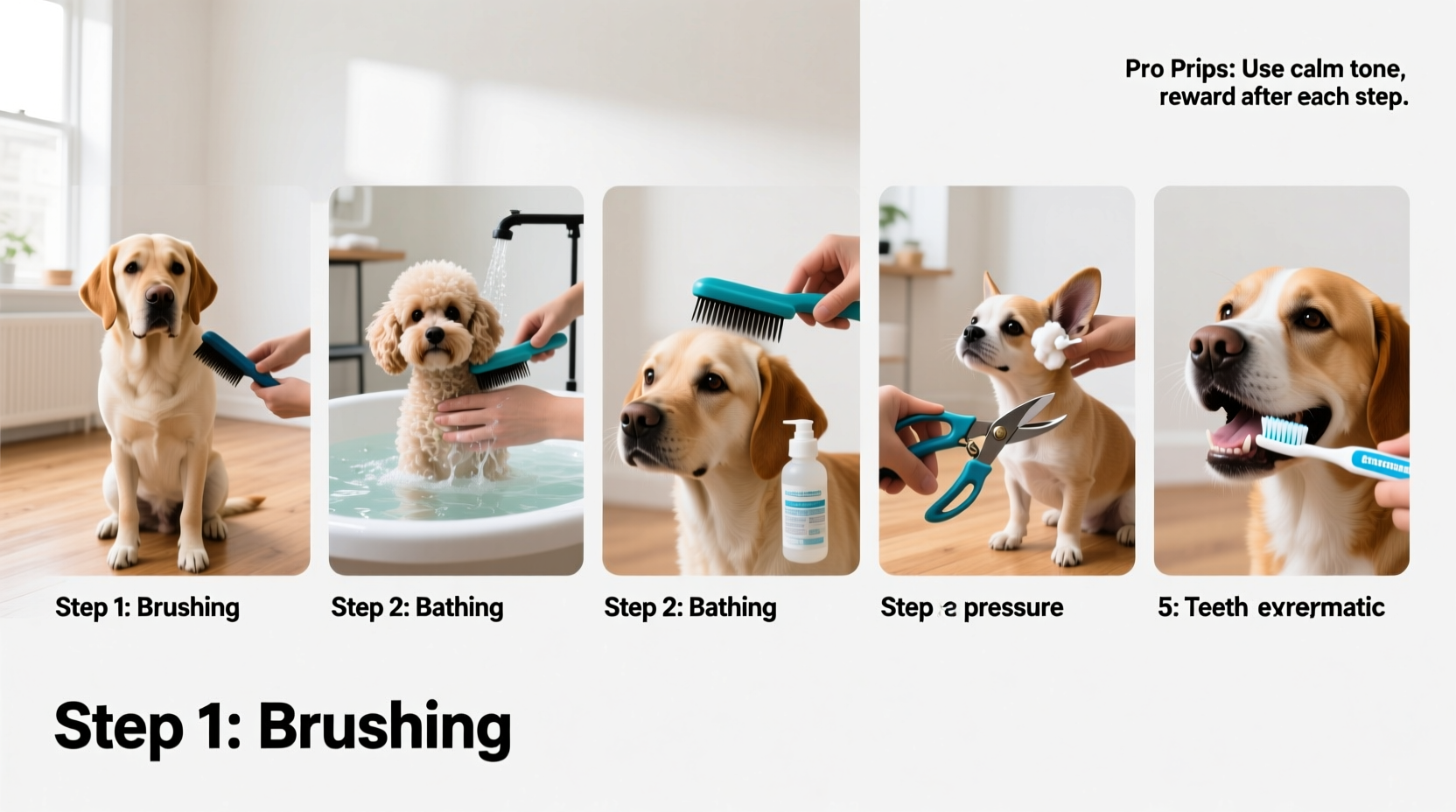
Grooming isn’t reserved for show dogs or long-haired breeds. Every dog, regardless of coat type, benefits from routine maintenance. Brushing removes dead hair and stimulates blood flow to the skin. Nail trims prevent painful overgrowth and joint strain. Ear cleaning reduces the risk of infections, especially in floppy-eared breeds. And regular brushing of teeth supports oral health, which directly impacts heart and kidney function.
When done consistently, at-home grooming allows you to notice subtle changes—like lumps, rashes, or behavioral discomfort—early enough to seek veterinary advice. It also desensitizes your dog to handling, making vet visits and emergency care less stressful.
Tip: Start grooming sessions when your dog is young to build positive associations. Use treats and praise liberally during and after each step.Essential Tools for Effective Dog Grooming
Having the right tools makes a significant difference in both efficiency and comfort for your dog. Invest in quality items tailored to your dog’s coat type and size.
| Tool | Purpose | Best For |
|---|---|---|
| Slicker Brush | Removes tangles and loose undercoat | Medium to long-haired dogs (e.g., Poodles, Shih Tzus) |
| Pin Brush | Smooths topcoat and detangles gently | Long, silky coats (e.g., Maltese, Afghan Hounds) |
| Undercoat Rake | Sheds dense undercoat efficiently | Double-coated breeds (e.g., Huskies, Golden Retrievers) |
| Nail Clippers (Guillotine or Scissor-style) | Cuts nails safely | All breeds; choose size-appropriate clippers |
| Ear Cleaner & Cotton Pads | Cleans wax and debris without irritation | Dogs with floppy ears or prone to infections |
| Dog-Safe Shampoo & Conditioner | Cleans without drying skin | All dogs; hypoallergenic for sensitive skin |
“Routine grooming is preventive medicine. A five-minute daily brush can catch problems weeks before they become serious.” — Dr. Lena Reyes, DVM, Canine Dermatology Specialist
Step-by-Step Guide to At-Home Grooming
A structured approach ensures no step is missed and keeps your dog calm throughout the process. Follow this sequence for best results.
- Brush Thoroughly Before Bathing
Start with a full-body brushing to remove mats and loose fur. Focus on high-friction areas like behind the ears, under the legs, and around the collar. This prevents tangles from tightening when wet. - Bathe with Lukewarm Water
Wet your dog completely, avoiding direct spray into ears and eyes. Apply dog-specific shampoo, lathering from neck to tail. Use a washcloth for the face. Rinse thoroughly—leftover shampoo causes itching. - Condition if Needed
Apply conditioner to dry-prone or thick-coated dogs. Let it sit for 3–5 minutes before rinsing. This step adds softness and reduces post-bath shedding. - Dry Completely
Towel-dry first, then use a pet-safe blow dryer on low heat. Ensure the coat is fully dry, especially in double-coated breeds, to prevent mildew and odors. - Brush Again Post-Bath
Once dry, go over the coat again to smooth any remaining tangles and distribute natural oils. - Trim Nails
Clip only the tip, avoiding the quick (pink inner part). If unsure, trim small amounts frequently. Use a nail grinder for a smoother finish. - Clean Ears
Apply a few drops of vet-approved ear cleaner. Gently massage the base, then let your dog shake. Wipe outer ear with cotton—never insert anything deep. - Check Teeth and Trim Fur Around Paws
Inspect gums and teeth for redness or tartar. Trim excess hair between paw pads to prevent slipping and trapping debris.
Common Mistakes to Avoid
- Skipping brushing before bathing: Wetting a matted coat worsens tangles and can hurt your dog.
- Using human shampoo: It disrupts the dog’s pH balance, leading to dryness and irritation.
- Over-bathing: Strips natural oils. Most dogs only need a bath every 4–8 weeks unless visibly dirty.
- Cutting too close to the skin with clippers: Risk of nicks and overheating the blade, which can burn.
- Ignoring paw and ear hygiene: These areas are prone to infection but often overlooked.
Real-Life Example: Managing a Shedding Husky
Sarah adopted a Siberian Husky named Koda, known for heavy seasonal shedding. Initially overwhelmed by fur on furniture and clothes, she implemented a weekly grooming routine. She began using an undercoat rake twice a week during shedding season and brushing daily with a slicker brush. She bathed Koda once a month with a moisturizing shampoo and dried him thoroughly with a high-velocity dryer. Within three weeks, household shedding dropped by nearly 70%. More importantly, Sarah noticed fewer skin flakes and Koda seemed more relaxed during grooming sessions. The routine became a bonding ritual they both looked forward to.
Grooming Checklist: Quick Reference
Grooming Routine Checklist:
- ✅ Brush coat (frequency based on breed)
- ✅ Bathe every 4–8 weeks
- ✅ Dry completely after bath
- ✅ Trim nails every 3–4 weeks
- ✅ Clean ears weekly
- ✅ Check teeth 2–3 times per week
- ✅ Trim paw pad hair as needed
- ✅ Inspect skin and coat for lumps, ticks, or irritation
Frequently Asked Questions
How often should I groom my dog at home?
Short-haired dogs benefit from brushing once a week and bathing every 6–8 weeks. Long- or double-coated breeds may need brushing 3–4 times weekly, especially during shedding seasons. Nail trims should occur every 3–4 weeks, and ears cleaned weekly.
My dog hates being groomed. What can I do?
Start slowly. Begin with short sessions focusing on one area, like brushing the back. Pair each touch with treats and praise. Never force a fearful dog. Consider using calming aids like pheromone sprays or consulting a trainer for desensitization techniques.
Can I use scissors to trim my dog’s fur?
Yes, but only with blunt-tipped grooming scissors designed for pets. Avoid freehand cutting near sensitive areas like the face or genitals. For major trims, especially in breeds requiring specific styles, consult a professional.
Final Thoughts: Make Grooming a Habit, Not a Chore
Effective dog grooming doesn’t require a salon setup or expert training. With patience, the right tools, and a consistent schedule, you can provide excellent care at home. Each grooming session is an opportunity to check your dog’s health, reinforce trust, and enhance their comfort. Start small, stay consistent, and celebrate progress. Your dog will not only look better—they’ll feel better too.
💬 Have a grooming tip that worked wonders for your dog? Share your experience in the comments and help fellow pet owners build better care routines!








