For decades, pet owners have debated whether feeding dogs from an elevated bowl reduces the risk of gastric dilatation-volvulus (GDV), commonly known as bloat. This life-threatening condition affects large, deep-chested breeds most severely, and even a small reduction in risk can be significant. As a result, many turn to raised feeders, believing they promote better posture and slower eating. But does raising a dog’s food bowl actually prevent bloating—or could it do more harm than good?
The answer isn’t as straightforward as marketing claims suggest. While elevated bowls may benefit certain dogs, emerging research indicates they might increase GDV risk in others. Understanding the mechanics of bloat, breed-specific vulnerabilities, and how feeding posture influences digestion is essential before making changes to your dog’s mealtime routine.
Understanding Bloat: What It Is and Why It’s Dangerous
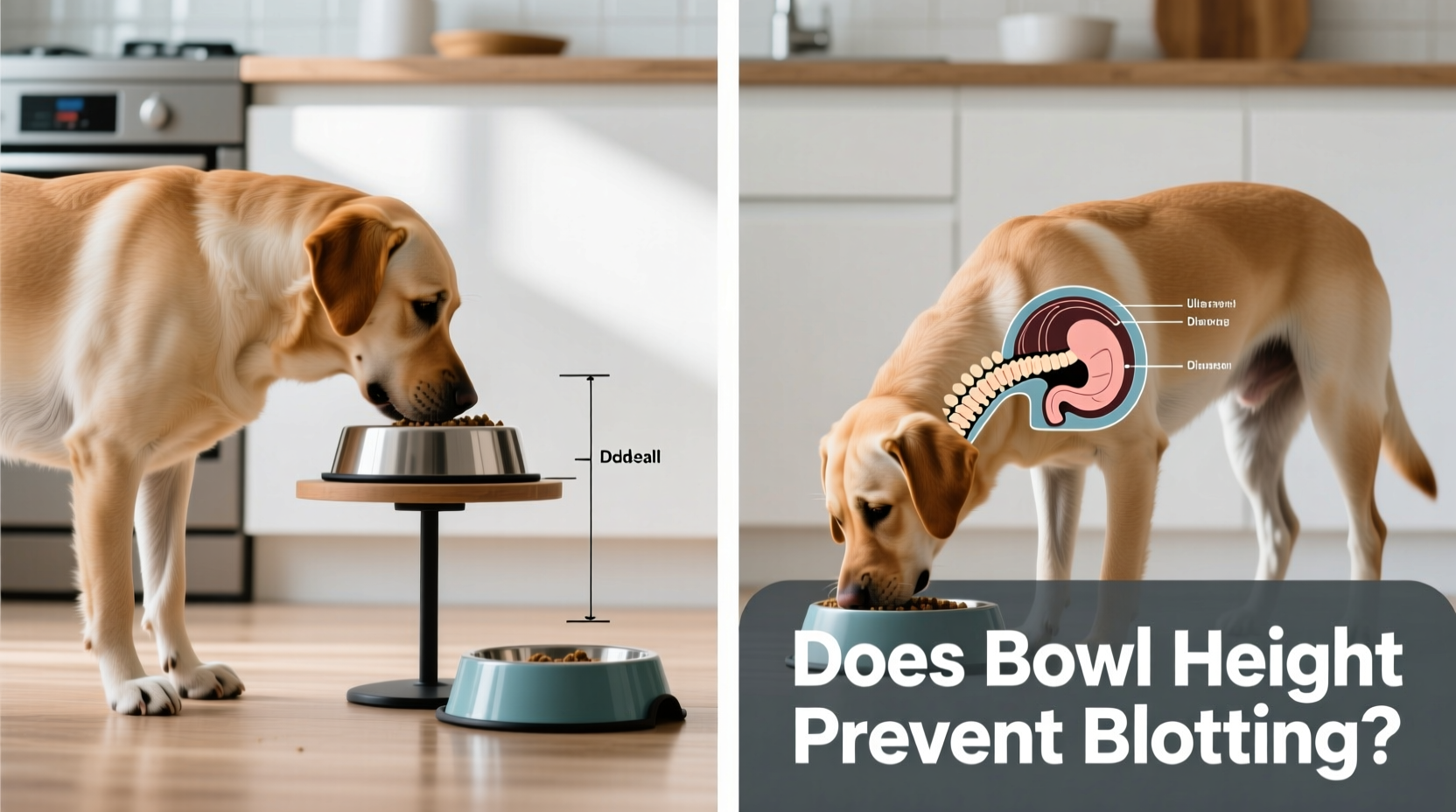
Gastric dilatation-volvulus occurs when a dog’s stomach fills with gas, fluid, or food and then twists on itself, cutting off blood flow and trapping contents inside. Without immediate veterinary intervention, this condition can lead to shock, organ failure, and death within hours. It's one of the top causes of death among large and giant breed dogs.
Symptoms of bloat include restlessness, pacing, unproductive vomiting or retching, a visibly distended abdomen, rapid breathing, and pale gums. Time is critical—every minute counts once signs appear.
Several factors contribute to bloat risk:
- Breed: Great Danes, German Shepherds, Standard Poodles, Boxers, and Irish Setters are especially predisposed.
- Genetics: A family history of GDV increases individual susceptibility.
- Eating habits: Gulping food quickly, eating one large meal per day, and exercising shortly after meals elevate risk.
- Dietary choices: High-fat dry foods and moistening kibble have been linked to increased incidence in some studies.
“Bloat doesn’t discriminate by age—it can strike a healthy 2-year-old Great Dane just as easily as a senior. Prevention hinges on managing modifiable risk factors.” — Dr. Laura Bennett, Veterinary Surgeon and GDV Researcher
The Rise of Elevated Feeders: Origins and Assumptions
Elevated dog bowls gained popularity in the mid-20th century, particularly among owners of large and giant breeds. The logic seemed sound: if humans eat at tables and experience less neck strain, shouldn't dogs benefit similarly? Advocates argued that raised bowls encourage a more natural spine alignment, reduce joint stress, and slow down eating by promoting controlled head positioning.
Additionally, for older dogs with arthritis or orthopedic conditions like hip dysplasia, bending down to floor-level bowls can cause discomfort. In these cases, elevation appears to offer clear ergonomic advantages.
However, the leap from comfort to disease prevention—specifically bloat reduction—was never firmly supported by clinical evidence. Instead, anecdotal reports and product marketing fueled widespread adoption without rigorous scientific backing.
Tip: Never assume an elevated bowl is universally beneficial. Assess your dog’s breed, health status, and behavior before switching.What Science Says: Do Raised Bowls Prevent Bloat?
A landmark study published in the Journal of the American Veterinary Medical Association (2000) analyzed over 1,000 dogs and found something surprising: dogs fed from elevated bowls were more likely to develop GDV than those eating from floor-level bowls—especially in high-risk breeds.
The study revealed that using a raised feeder was associated with a doubling of GDV risk in Great Danes. Researchers hypothesized that elevated feeding encourages faster eating and greater air ingestion (aerophagia), both of which contribute to gastric distension.
Further research has reinforced this finding. A 2023 review in Veterinary Clinics of North America: Small Animal Practice concluded that while posture affects swallowing mechanics, there is no consistent evidence that elevation protects against bloat. In fact, it may disrupt normal esophageal clearance and increase intra-gastric pressure during meals.
Interestingly, the same studies identified protective factors unrelated to bowl height:
- Smaller, frequent meals (two or more per day)
- Slower eating via puzzle feeders or portion control
- Avoiding vigorous activity one hour before and two hours after eating
- Feeding a diet lower in fat content
Comparative Risk Factors: Floor vs Elevated Bowls
| Factor | Floor-Level Bowl | Elevated Bowl |
|---|---|---|
| Air Ingestion | Generally lower due to natural head-down position aiding esophageal drainage | Potentially higher; upright posture may trap air in the stomach |
| Eating Speed | Tends to be slower naturally in many dogs | May encourage gulping, especially in competitive eaters |
| Joint Comfort | Can strain necks and backs in very large or arthritic dogs | Reduces physical strain; beneficial for mobility-impaired dogs |
| Bloat Risk (High-Risk Breeds) | Lower observed incidence in clinical studies |
| Higher statistical association with GDV |
When Elevation Might Be Beneficial—And When It Isn’t
Despite the general trend in research, elevated bowls aren’t inherently harmful for all dogs. Context matters. For example:
- Dogs with cervical spine issues or chronic neck pain may find relief in raised feeding stations.
- Senior dogs with osteoarthritis often struggle to maintain balance while lowering their heads repeatedly.
- Dogs recovering from surgery, particularly involving the chest or abdomen, may temporarily benefit from reduced bending.
In these situations, the quality-of-life improvement may outweigh potential digestive trade-offs—provided other bloat-prevention strategies are strictly followed.
Conversely, young, healthy large-breed dogs with no musculoskeletal concerns should likely remain on floor-level feeding unless advised otherwise by a veterinarian familiar with GDV risk profiles.
“We used to recommend raised bowls routinely for Great Danes. Now, based on outcome data, we caution against them unless there's a clear orthopedic justification.” — Dr. Alan Reyes, Board-Certified Veterinary Internal Medicine Specialist
Mini Case Study: Max the Great Dane
Max, a 3-year-old male Great Dane, had always eaten from a custom 18-inch elevated stand. His owner believed it helped him eat “more comfortably” and prevent strain. After Max collapsed following dinner with classic bloat symptoms, emergency gastropexy surgery saved his life. During follow-up care, the vet reviewed risk factors and discovered Max ate extremely fast—even with the raised bowl—and consumed only one large meal daily.
Post-recovery, Max’s routine changed: he transitioned to floor-level feeding, began eating two measured meals using a slow-feeder bowl, and avoided playtime for two hours post-meals. Over the next year, his digestion improved, and his energy levels stabilized. His owner admitted she’d prioritized convenience and assumption over evidence—a common pitfall.
Action Plan: Reducing Bloat Risk Without Relying on Bowl Height
If you're concerned about bloat, focus on proven preventive measures rather than unverified equipment changes. Here’s a practical checklist every dog owner—especially of at-risk breeds—should implement:
✅ Bloat Prevention Checklist
- Feed two or three smaller meals per day instead of one large serving
- Use a slow-feed bowl or food puzzle to reduce eating speed
- Avoid feeding immediately before or after intense exercise
- Monitor water intake around mealtimes—discourage gulping large amounts
- Choose a high-quality diet with moderate fat content (avoid fats listed in first four ingredients)
- Consider prophylactic gastropexy for high-risk breeds (surgical attachment of stomach to abdominal wall)
- Know the signs of bloat and keep your vet’s emergency number accessible
Step-by-Step Guide to Safer Feeding Practices
- Assess your dog’s risk level: Is your dog a large or deep-chested breed? Any family history of GDV?
- Measure current feeding habits: How many meals per day? How quickly does your dog eat?
- Switch to multiple small meals: Divide daily ration into at least two portions, spaced 8–12 hours apart.
- Introduce a slow-eating tool: Replace standard bowls with maze-style feeders or interactive toys.
- Adjust activity schedule: No running, jumping, or rough play one hour pre- and two hours post-meal.
- Consult your vet: Discuss whether prophylactic gastropexy is appropriate, especially for puppies under 6 months.
- Train household members: Ensure everyone follows the same feeding protocol consistently.
Frequently Asked Questions
Are elevated bowls bad for all dogs?
No. Dogs with arthritis, spinal conditions, or mobility limitations may genuinely benefit from raised feeders. However, for healthy, large-breed dogs prone to bloat, floor-level feeding is generally safer based on current evidence.
Can I use an elevated bowl if I monitor my dog’s eating speed?
You can—but proceed with caution. Even with supervision, the mechanical effect of upright eating may still increase air swallowing. If you choose elevation, combine it with a slow-feeder insert and strict post-meal rest.
What’s the ideal height for an elevated bowl—if I use one?
If medically indicated, set the bowl so the top sits at the midpoint between the shoulder crest and the bottom of the chest. This aligns the esophagus neutrally. Avoid heights that force the dog to stretch upward or crane downward.
Conclusion: Prioritize Evidence Over Convenience
The debate over elevated versus floor-level bowls underscores a broader truth in pet care: not all intuitive solutions are safe, and not all marketed benefits are real. While raised feeders offer ergonomic perks for some dogs, they do not prevent bloat—and may, in fact, increase risk in susceptible breeds.
True protection comes from understanding your dog’s individual needs, adhering to science-backed practices, and remaining vigilant for warning signs. Whether you use a bowl on the ground or on a stand, what matters most is how your dog eats, when they move, and what they consume.
💬 Have experience with elevated feeders—good or bad? Share your story in the comments. Your insights could help another pet owner avoid a dangerous assumption.








