Diarrhea in dogs is a common issue that nearly every pet owner will face at some point. While occasional loose stools may resolve on their own, persistent or severe diarrhea can signal underlying health problems and lead to dehydration, discomfort, and nutritional deficiencies. The key to managing canine diarrhea lies in timely intervention, proper diet adjustments, hydration, and knowing when professional veterinary care is necessary. This guide outlines practical, veterinarian-supported strategies to help soothe your dog’s digestive upset and support a swift recovery.
Assess the Situation: Is It Mild or Serious?
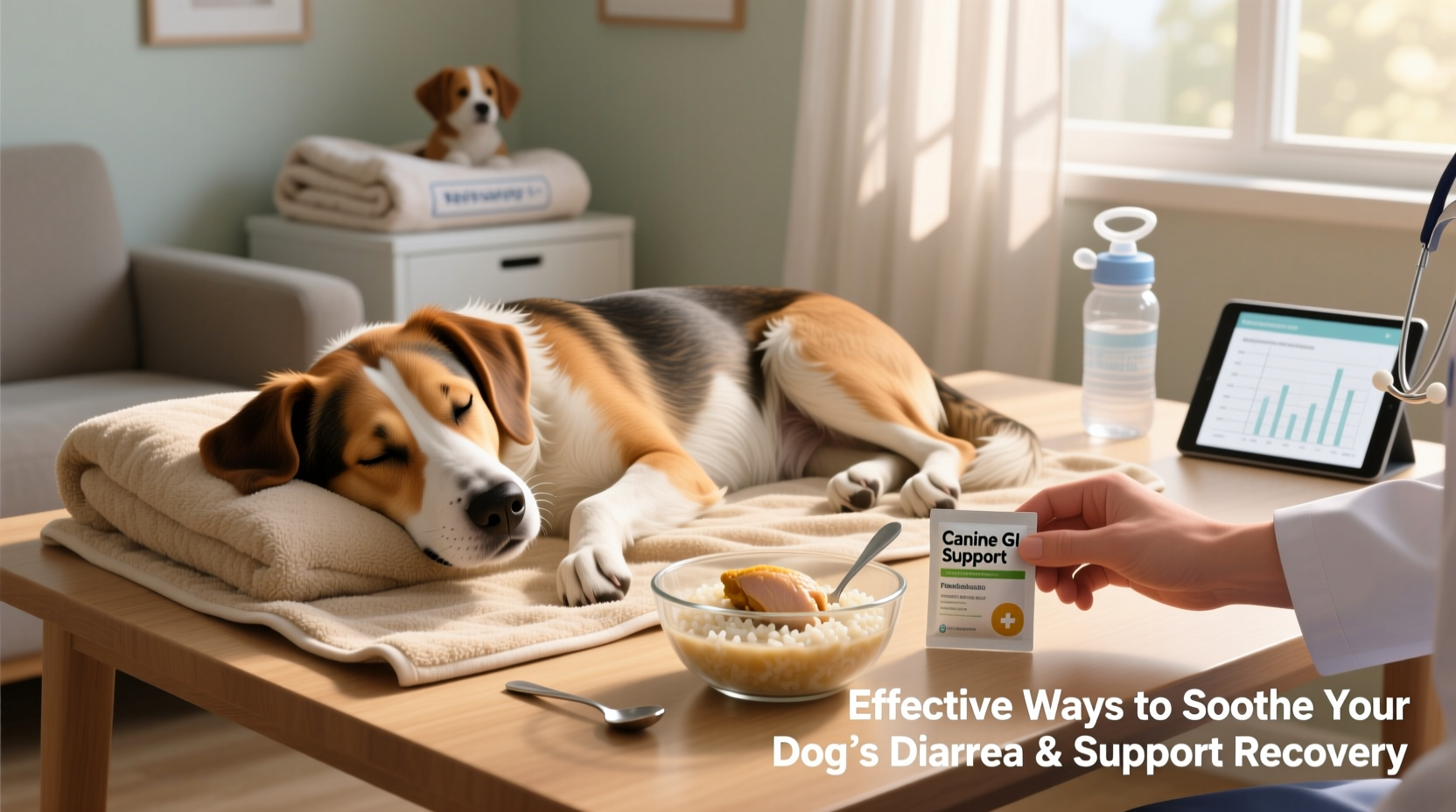
Not all cases of diarrhea require immediate medical attention. Start by evaluating your dog’s overall condition. Mild diarrhea often occurs after dietary changes, mild stress, or eating something unusual. If your dog remains active, hydrated, and shows no other symptoms, home management may be sufficient.
However, certain red flags warrant urgent veterinary consultation:
- Blood or mucus in the stool
- Vomiting accompanying diarrhea
- Lethargy, weakness, or loss of appetite
- Prolonged diarrhea lasting more than 48 hours
- Fever or abdominal pain
- Recent ingestion of toxic substances or foreign objects
“Diarrhea is a symptom, not a disease. Identifying the cause—whether dietary, infectious, or stress-related—is crucial for effective treatment.” — Dr. Lena Peterson, DVM, Small Animal Internal Medicine SpecialistTip: Keep a log of your dog’s bowel movements, noting frequency, consistency, color, and any associated behaviors. This information helps your vet make an accurate diagnosis.
Nutritional Support: The Bland Diet Approach
One of the most effective first steps in managing dog diarrhea is switching to a bland, easily digestible diet. This reduces irritation in the gastrointestinal tract and allows the gut lining to heal.
A standard bland diet consists of boiled lean protein and a simple carbohydrate. Common combinations include:
- Boiled chicken breast (skinless, unseasoned) with white rice
- Ground turkey or lean beef (boiled, fat drained) with plain pumpkin
- Scrambled eggs (without butter or oil) with cooked sweet potato
Feed small portions every 3–4 hours for the first 24 hours, then gradually increase portion size if stools begin to firm up. Continue the bland diet for 2–3 days before slowly reintroducing your dog’s regular food over another 2–3 days.
| Food Item | Benefit | Preparation Tips |
|---|---|---|
| White Rice | Low fiber, binds water in the gut | Cook until very soft; avoid seasoning |
| Boiled Chicken | High-quality protein, easy to digest | Remove skin and bones; do not add salt or spices |
| Pumpkin (plain) | Rich in soluble fiber, regulates digestion | Use 100% pure canned pumpkin, not pie filling |
| Boiled Sweet Potato | Provides energy and gentle fiber | Peel and cook thoroughly; no butter or sugar |
Hydration: Preventing Dehydration During Recovery
Diarrhea causes rapid fluid loss, making dehydration a serious risk—especially in puppies, senior dogs, or small breeds. Maintaining hydration is as important as dietary management.
Encourage frequent drinking by offering fresh water throughout the day. You can also provide low-sodium chicken broth or an electrolyte solution formulated for dogs (such as Pedialyte diluted 50/50 with water). Avoid giving undiluted sports drinks due to high sugar and sodium levels.
Monitor for signs of dehydration:
- Dry gums
- Slow skin elasticity (gently lift skin on the back of the neck—it should snap back quickly)
- Sunken eyes
- Reduced urination
Supportive Supplements and Natural Remedies
While diet and hydration are foundational, certain supplements can aid recovery by restoring gut balance and reducing inflammation.
Probiotics: These beneficial bacteria help repopulate the gut microbiome, which may be disrupted during diarrhea. Choose a canine-specific probiotic containing strains like *Enterococcus faecium* or *Bifidobacterium animalis*.
Pumpkin: A natural source of soluble fiber, pumpkin absorbs excess water in the intestines and adds bulk to stools. Add 1–4 tablespoons per meal depending on your dog’s size.
Slippery elm bark: This herbal remedy coats and soothes the intestinal lining. Available in powder or capsule form, it can be mixed into food (consult dosage with your vet).
L-glutamine: An amino acid that supports intestinal cell repair and strengthens the gut barrier.
“Probiotics aren’t a cure-all, but they can significantly shorten recovery time when used alongside appropriate diet and hydration.” — Dr. Marcus Reed, Veterinary Nutritionist
Step-by-Step Recovery Timeline
Follow this structured approach to manage your dog’s diarrhea at home while minimizing complications:
- Day 1 – Assessment & Fasting: Withhold food for 12–24 hours (only for healthy adult dogs; never fast puppies). Provide small sips of water or electrolyte solution frequently.
- Day 2 – Introduce Bland Diet: Begin feeding small portions of bland food every 3–4 hours. Monitor stool consistency and energy levels.
- Day 3–4 – Continue Bland Diet: Gradually increase portion sizes. Add probiotics and pumpkin if tolerated.
- Day 5–6 – Transition Back: Mix increasing amounts of regular food with decreasing amounts of bland food over 2–3 days.
- Ongoing Monitoring: Watch for recurrence or new symptoms. Resume normal diet only when stools remain firm for at least 48 hours.
When to See a Veterinarian
Home care works well for mild, short-term diarrhea. However, prompt veterinary evaluation is essential in the following situations:
- Diarrhea persists beyond 48 hours despite home treatment
- Your dog shows signs of pain, bloating, or inability to defecate
- There is visible blood, black tarry stools, or projectile vomiting
- Your dog has pre-existing conditions like diabetes, kidney disease, or is on medication
- You suspect poisoning, parasite exposure, or ingestion of a foreign object
Veterinarians may perform fecal exams, blood work, or imaging to identify infections, parasites (like giardia or coccidia), pancreatitis, or inflammatory bowel disease. Treatment could include prescription diets, antibiotics, anti-parasitics, or fluid therapy.
Mini Case Study: Bella’s Recovery from Stress-Induced Diarrhea
Bella, a 3-year-old Border Collie, developed sudden diarrhea after her family moved to a new home. Her owner noticed loose, foul-smelling stools three times in one day, but Bella remained playful and hydrated.
Following advice from their vet, the owner implemented a 12-hour fast, followed by a bland diet of boiled chicken and rice. They added a canine probiotic and monitored her closely. By day three, Bella’s stools began to firm up. Over the next two days, her regular kibble was gradually reintroduced. Within six days, Bella had fully recovered. The vet attributed the episode to environmental stress, recommending continued probiotic use during future transitions.
FAQ
Can I give my dog over-the-counter medications like Imodium?
Not without veterinary guidance. Some human anti-diarrheal drugs can be toxic to dogs, especially those with certain genetic mutations (like in herding breeds). Always consult your vet before administering any medication.
Is it normal for my dog to have diarrhea after changing food?
Yes, abrupt diet changes often cause digestive upset. Always transition foods gradually over 7–10 days by mixing increasing amounts of the new food with the old.
How can I prevent future episodes of diarrhea?
Maintain a consistent, high-quality diet; avoid table scraps; keep your dog away from garbage or spoiled food; stay current on deworming and vaccinations; and minimize stress through routine and enrichment.
Conclusion
Managing your dog’s diarrhea effectively requires a calm, methodical approach centered on nutrition, hydration, and observation. Most mild cases resolve within a few days with proper home care. However, understanding when to escalate care is just as important as knowing how to respond initially. By combining practical strategies with vigilance, you can support your dog’s digestive health and ensure a faster, safer recovery.
🚀 Take action today: Review your dog’s diet, stock up on bland food ingredients, and talk to your vet about keeping a canine probiotic on hand. Your preparedness can make all the difference in your pet’s comfort and recovery.








