
Dogs, like humans, are vulnerable to the damaging effects of prolonged sun exposure. While most pet owners focus on protecting their dog’s skin or preventing heatstroke, few consider the risks posed by ultraviolet (UV) radiation to their pet’s eyes. Chronic exposure to sunlight can lead to conditions such as photokeratitis, cataracts, pannus, and even ocular tumors—especially in breeds with light-colored eyes or thin fur around the face. Protecting your dog’s vision is not just about comfort; it’s a critical part of long-term health care. Fortunately, there are proven, practical methods to minimize UV damage and keep your dog’s eyes healthy throughout their life.
Understanding UV Risks to Canine Eyes
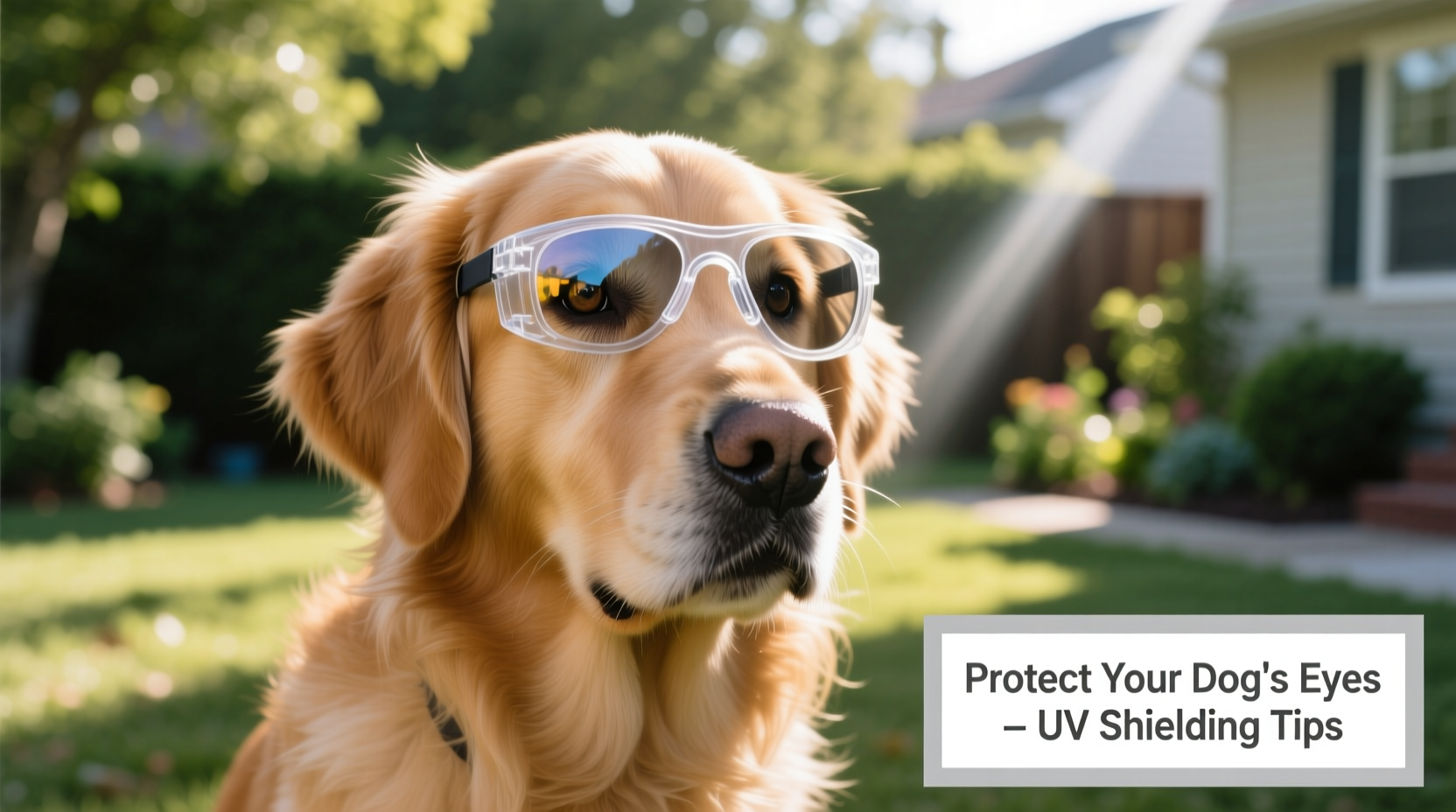
Ultraviolet radiation from the sun consists of UVA and UVB rays, both of which penetrate the atmosphere and affect living tissue. In dogs, the eyes are particularly susceptible because they often lack natural pigmentation around the eyelids and may have limited blink reflexes during intense daylight activities. High-altitude areas, reflective surfaces like snow, sand, or water, and midday sun amplify UV intensity.
Common eye conditions linked to UV exposure include:
- Pannus (Chronic Superficial Keratitis): An immune-mediated condition exacerbated by UV light, common in German Shepherds and Greyhounds.
- Photokeratitis: A painful sunburn of the cornea, often seen after extended time in snowy or sandy environments.
- Cataracts: While often age-related or genetic, oxidative stress from UV rays can accelerate lens clouding.
- Ocular melanoma: Though rare, prolonged UV exposure may contribute to abnormal cell growth in the eye area.
“Just as we protect our own eyes with sunglasses, proactive measures for dogs—especially those spending significant time outdoors—are essential for lifelong ocular health.” — Dr. Laura Bennett, Veterinary Ophthalmologist, UC Davis School of Veterinary Medicine
Practical Strategies to Shield Your Dog’s Eyes
Prevention doesn’t require drastic lifestyle changes. With thoughtful adjustments and consistent habits, you can significantly reduce your dog’s risk of UV-related eye damage.
1. Limit Midday Sun Exposure
The sun’s UV index peaks between 10 a.m. and 4 p.m. Schedule walks, playtime, and training sessions during early morning or late afternoon hours when solar intensity is lower. This simple shift reduces cumulative UV exposure without compromising activity levels.
Tip: Use a UV index app to monitor daily exposure levels in your area. When the index reaches 6 or higher, extra precautions are necessary.2. Provide Consistent Shade Access
If your dog spends time in the yard, ensure shaded areas are always available. Trees, canopies, or pop-up shade tents work well. Rotate shade locations if the sun shifts dramatically throughout the day. Avoid placing food, water, or beds in direct sunlight to encourage use of protected zones.
3. Use Canine-Specific Eye Protection
Doggles (dog goggles) designed with UV-blocking lenses offer direct protection. Look for models that meet ANSI Z80.3 standards for UV absorption and feature wraparound frames to prevent peripheral exposure. Brands like RexSpecs and Doggles offer durable, adjustable options suitable for hiking, beach trips, or snow sports.
Step-by-Step Guide to Introducing Doggles
- Start at home: Let your dog sniff and explore the goggles without wearing them.
- Short indoor trials: Fasten gently for 30–60 seconds while offering treats.
- Gradual extension: Increase wear time over several days, pairing with positive experiences.
- Outdoor testing: Begin in low-stimulus environments before progressing to bright or active settings.
- Monitor fit: Ensure no rubbing, fogging, or restricted vision. Adjust straps as needed.
Do’s and Don’ts of UV Eye Protection for Dogs
| Do’s | Don’ts |
|---|---|
| Choose goggles with 100% UVA/UVB protection | Use human sunglasses—they won’t stay on and don’t cover adequately |
| Inspect eyes weekly for redness, squinting, or discharge | Force goggles on an anxious dog without proper acclimation |
| Wipe lenses regularly to maintain clarity | Leave your dog unattended in extreme sun without protection |
| Consult your vet if your dog has pre-existing eye conditions | Assume all breeds need the same level of protection |
Breed-Specific Considerations and Real-World Example
Not all dogs face equal risk. Breeds with prominent eyes (e.g., Pugs, Shih Tzus), light iris color (blue or green), or minimal facial fur (like Boxers or Pit Bulls) are more vulnerable. White-coated dogs reflect more light into the eye area, increasing exposure.
Mini Case Study: Max the Border Collie
Max, a 5-year-old Border Collie from Colorado, began showing signs of discomfort during agility training at high elevation. His owner noticed frequent blinking and avoidance of open fields under midday sun. A veterinary ophthalmology exam diagnosed early-stage pannus, likely aggravated by intense UV exposure at 8,000 feet above sea level. After incorporating UV-blocking doggles, adjusting training to early mornings, and applying vet-prescribed anti-inflammatory eye drops, Max’s symptoms stabilized within three months. His case highlights how environmental factors and breed predisposition intersect—and how timely intervention prevents progression.
Additional Protective Measures
Beyond eyewear and timing, other supportive strategies enhance ocular defense:
- Nutritional support: Antioxidants like lutein, zeaxanthin, vitamin E, and omega-3 fatty acids help combat oxidative stress in eye tissues. Consider supplements formulated for canine eye health, especially for senior dogs.
- Vehicle protection: Car windows block some UV but not all. Use sunshades or tinted windows when transporting your dog, especially if they lean toward side windows.
- Grooming considerations: Avoid shaving facial fur too closely, particularly in breeds with naturally protective hair around the eyes. Even a small amount of fur can reduce glare and scatter.
Frequently Asked Questions
Can I use sunscreen near my dog’s eyes?
No. Most sunscreens contain chemicals toxic if ingested or irritating if they enter the eye. Never apply sunscreen close to the eyes. Instead, rely on physical barriers like hats (if tolerated), shade, or goggles. For nose and ear protection, use pet-safe, non-toxic sunblocks specifically labeled for facial use.
Are puppies more at risk than adult dogs?
Puppies’ eyes are still developing, making them potentially more sensitive to environmental stressors. However, actual UV damage accumulates over time. Early protection helps prevent long-term issues, even if immediate symptoms aren’t visible.
How do I know if my dog is experiencing eye discomfort from sun exposure?
Signs include excessive blinking, squinting, watery eyes, redness, holding one eye partially closed, or avoiding bright areas. If these behaviors persist beyond a few hours after sun exposure, consult a veterinarian promptly.
Protect Their Vision, Preserve Their Freedom
Your dog’s eyes are windows to their world—allowing them to track squirrels, recognize your smile, and navigate new trails. Shielding them from avoidable harm isn’t just responsible pet ownership; it’s an investment in their quality of life. By combining smart scheduling, proper gear, nutritional support, and vigilant observation, you empower your dog to enjoy the outdoors safely year-round.
💬 Have you used doggles or other sun protection methods for your pet? Share your experience or ask questions in the comments—your insights could help another dog parent make a sight-saving decision.








