
Feeding your cat outdoors can offer them comfort, freedom, and a more natural eating experience—especially if they enjoy spending time outside. However, leaving food unattended in an open yard or patio quickly attracts unwanted guests: rodents, raccoons, insects, and even stray animals. These pests not only disrupt your cat’s meal but also pose health risks through contamination and disease transmission. The key to successful outdoor feeding lies in strategic placement, smart equipment choices, and consistent routines that prioritize both your cat’s safety and hygiene.
Choose the Right Location Strategically
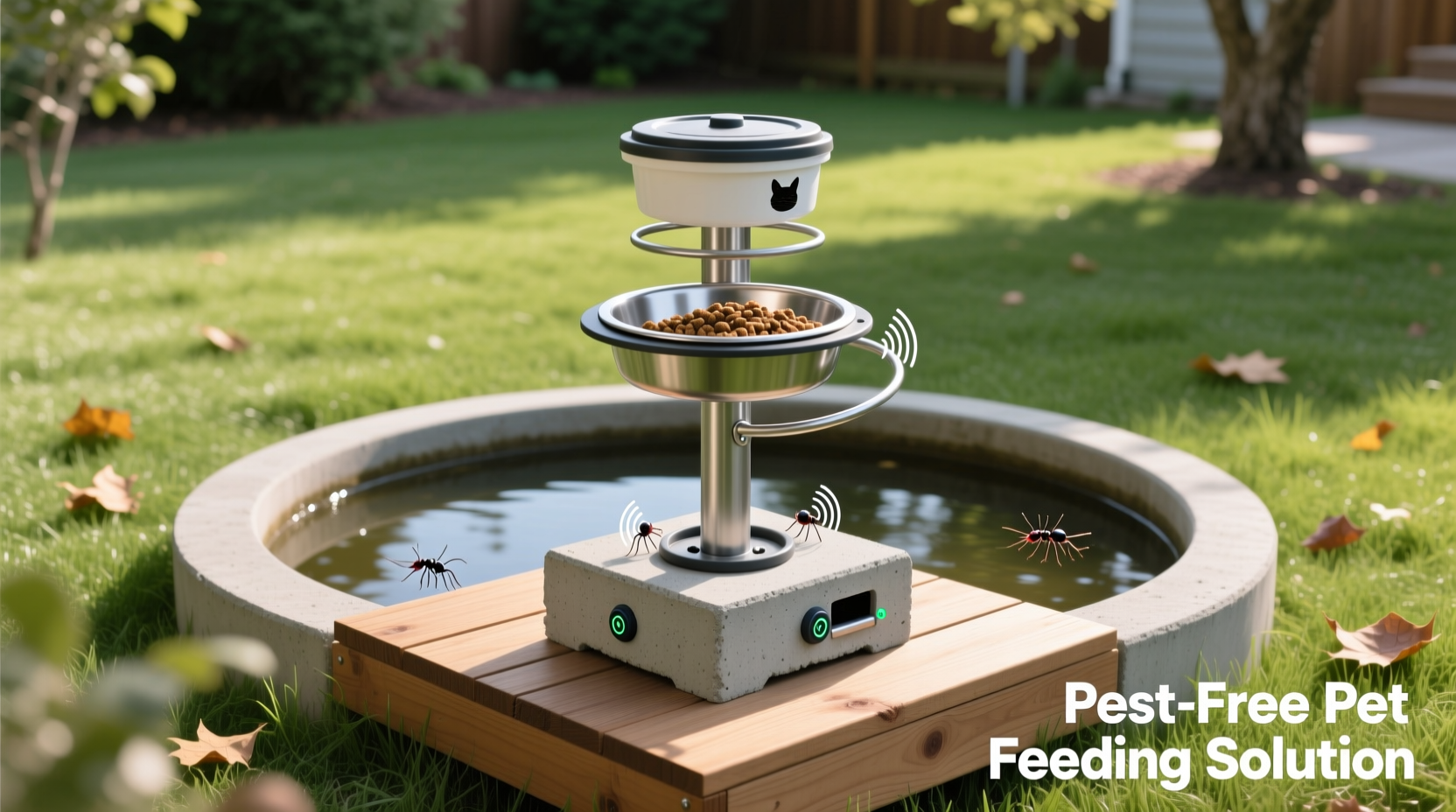
The placement of your cat’s food bowl plays a crucial role in minimizing pest access. Avoid setting up near shrubs, woodpiles, compost bins, or garbage areas—common hiding spots for rodents and insects. Instead, select a flat, open area close to your home where you can monitor activity easily. Elevated surfaces like patios or decks are ideal because they limit ground-level access for many pests.
Ensure the feeding zone is at least 10 feet away from any structure entry points to prevent pests from using the food as bait to infiltrate your home. Also, avoid placing bowls under trees or overhangs where birds frequently perch; birdseed residue and droppings can contaminate food and attract additional scavengers.
Tip: Feed your cat on concrete or stone surfaces rather than soil or mulch, which harbor insects and make cleanup harder.Use Pest-Resistant Feeding Equipment
Not all food bowls are created equal when it comes to deterring pests. Standard plastic or metal dishes left on the ground are easy targets. Consider upgrading to specialized solutions designed to reduce accessibility for non-cats.
- Elevated feeders: Raising the bowl off the ground discourages ants, mice, and slugs from reaching the food.
- Enclosed feeding stations: Some models feature small tunnels or hoods that only your cat can enter, blocking larger animals like raccoons or opossums.
- Microchip-activated feeders: These high-tech units open only when your cat’s microchip or RFID collar is detected, effectively locking out other animals.
- Ant moat stands: Placed beneath the bowl, these contain water to create a barrier that crawling insects cannot cross.
For wet food, which spoils faster and emits stronger odors, use shallow bowls that allow quick consumption and easy cleaning. Stainless steel is preferable due to its resistance to bacteria and ease of sanitization.
Comparison of Outdoor Cat Feeding Solutions
| Solution | Pest Protection Level | Cat Accessibility | Best For |
|---|---|---|---|
| Standard Bowl on Ground | Low | High | Indoor-only or supervised feeding |
| Elevated Stand | Moderate | High | Ants, small rodents |
| Enclosed Shelter | High | Medium | Raccoons, birds, strays |
| Microchip Feeder | Very High | Medium-High | Mixed-pet households, urban areas |
| Ant Moat + Bowl | High (for crawlers) | High | Hot climates with heavy ant presence |
Implement a Strict Feeding Schedule
Free-feeding outdoors is one of the biggest contributors to pest problems. When food is available around the clock, it becomes a reliable resource for scavengers. To avoid this, establish a fixed feeding routine with timed meals.
Offer food only during daylight hours when your cat is most active and you can supervise. Remove uneaten portions after 20–30 minutes. Dry kibble left out longer than this begins to absorb moisture, lose nutritional value, and emit odors that draw pests. Wet food should never be left out beyond 15–20 minutes in warm weather.
“Consistency in feeding times reduces opportunistic foraging by pests. A predictable schedule conditions both your cat and local wildlife.” — Dr. Lena Reyes, Feline Behavior Specialist
Step-by-Step: Creating a Pest-Smart Outdoor Feeding Routine
- Set two daily feeding times (e.g., 7 AM and 6 PM).
- Place clean bowls only at scheduled times.
- Monitor your cat while eating to ensure no other animals approach.
- Remove all leftovers immediately after the meal window.
- Wash bowls daily with hot, soapy water to eliminate scent trails.
- Store unused food indoors in sealed containers away from humidity.
Discourage Pests with Natural Deterrents
Instead of relying on harmful chemicals, use humane and eco-friendly methods to repel pests without affecting your cat. Certain scents and textures deter animals without posing health risks.
- Mint or lavender plants: Plant these around the feeding area; their strong aroma deters rodents and insects but is safe for cats in moderation.
- Food-grade diatomaceous earth: Sprinkle a thin ring around the feeding zone to kill crawling insects by dehydrating their exoskeletons. Ensure it’s food-grade and applied lightly to avoid inhalation by pets.
- Vinegar spray: A diluted solution sprayed nearby (not on food) can discourage ants and flies. Reapply after rain.
- Crushed gravel or sand barrier: Create a 12-inch perimeter around the feeding station. Many pests dislike walking on uneven textures.
Mini Case Study: Solving a Persistent Raccoon Problem
Sarah from Austin, Texas, noticed her outdoor cat wasn’t finishing meals and found paw prints and scattered kibble each morning. After installing a motion-activated camera, she discovered a family of raccoons visiting nightly. She switched from a ground-level bowl to a microchip-enabled feeder placed on a raised deck. Within days, the raccoons stopped returning, and her cat ate peacefully during scheduled times. Sarah now cleans the area weekly and uses mint plants as a natural boundary. Her solution reduced pest visits by 100% without harming local wildlife.
Essential Checklist for a Pest-Free Outdoor Feeding Zone
✅ Your Outdoor Cat Feeding Safety Checklist:
- ☑ Choose an open, elevated feeding location
- ☑ Use stainless steel or ceramic bowls
- ☑ Install an ant moat or elevated stand
- ☑ Set a strict feeding schedule (max 30 min per meal)
- ☑ Remove all leftover food promptly
- ☑ Wash bowls daily with pet-safe cleaner
- ☑ Store dry food in airtight containers indoors
- ☑ Add natural deterrents like mint or gravel barriers
- ☑ Monitor for signs of pests (droppings, tracks, chew marks)
- ☑ Consider a microchip feeder in high-risk areas
Frequently Asked Questions
Can I leave dry food out overnight for my outdoor cat?
No. Leaving dry food out overnight increases the risk of attracting rodents, insects, and nocturnal animals like raccoons or opossums. It also exposes the food to dew, mold, and contaminants. Always remove uneaten food within 30 minutes of serving.
What should I do if ants keep getting into the food bowl?
First, clean the area thoroughly to remove scent trails. Then place the bowl on a stand with an ant moat—a small container filled with water that creates an impassable barrier. Avoid using pesticides near food. Regular cleaning and elevation significantly reduce infestations.
Are automatic feeders safe for outdoor use?
Some are, but only if they’re specifically rated for outdoor conditions—weatherproof, UV-resistant, and lockable. Standard indoor feeders may malfunction in humidity or rain. Pairing an outdoor-rated automatic feeder with a microchip system offers the best protection against pests.
Final Thoughts: Protect Your Pet, Preserve Peace of Mind
Securing your cat’s food bowl outdoors isn’t just about convenience—it’s about responsibility. A well-managed feeding setup protects your pet from disease, prevents nuisance wildlife behavior, and maintains harmony with your neighbors. By combining smart equipment, disciplined timing, and natural deterrents, you create a safe space where your cat can eat comfortably without inviting pests into your yard—or your home.
💬 Have a pest-proofing tip that works for your outdoor cat? Share your experience in the comments and help fellow cat owners build safer feeding spaces!








