
Dog clothing isn’t just a fashion statement—it serves practical purposes like protecting against cold weather, reducing allergens, and managing shedding. However, frequent use exposes these garments to dirt, drool, grass stains, and persistent odors. Without proper care, even the most adorable dog sweater can become a breeding ground for bacteria and unpleasant smells. Maintaining cleanliness doesn’t just preserve appearance; it supports your pet’s hygiene and comfort. This guide outlines proven strategies to keep your dog’s wardrobe consistently clean, fresh, and free of lingering odors.
Understanding Why Dog Clothes Get Dirty and Smelly
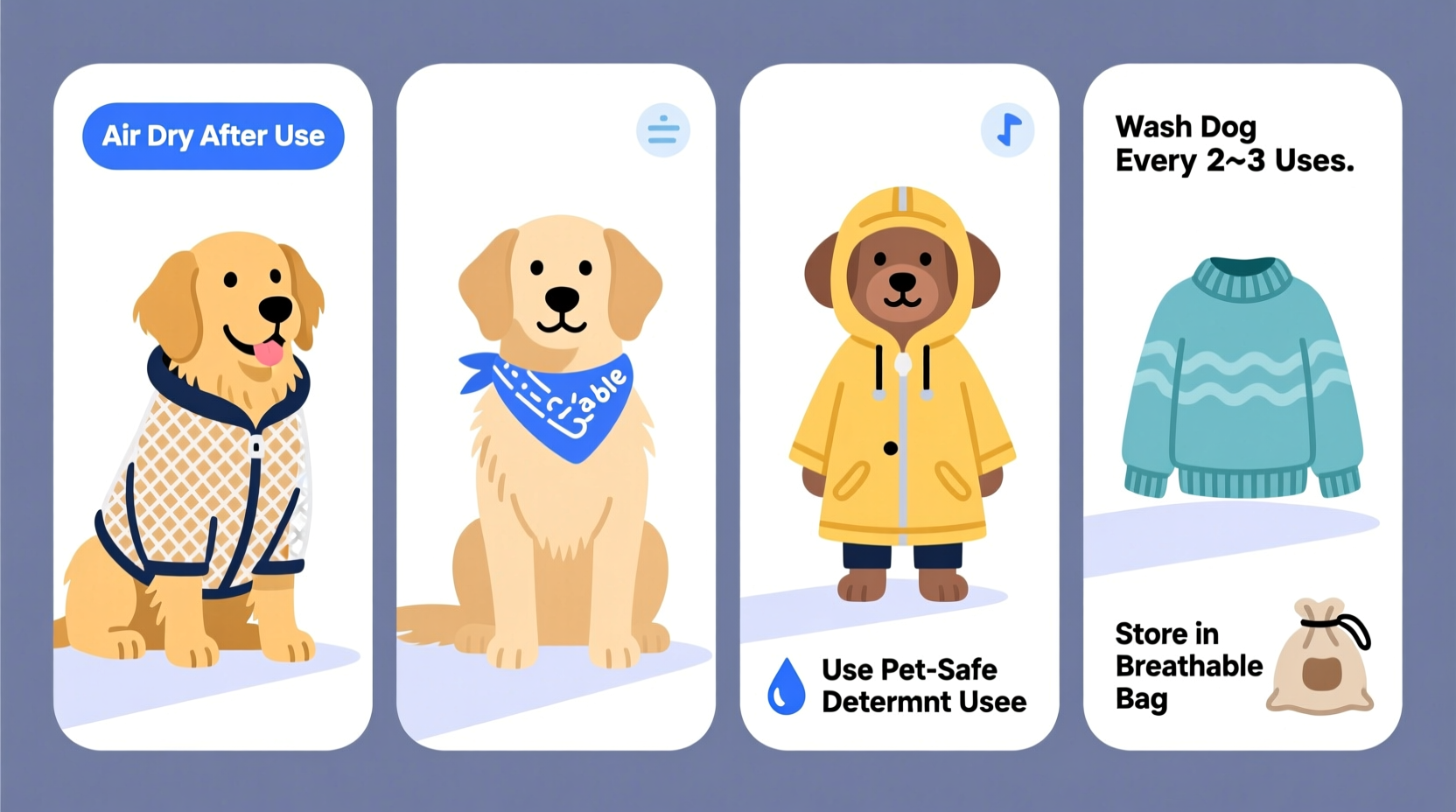
Dogs interact with their environment more directly than humans—rolling in grass, walking through mud, shaking off water, and sometimes indulging in less-than-sanitary habits. Their clothes absorb sweat (yes, dogs do sweat slightly through their paws), skin oils, environmental debris, and saliva. Over time, these elements combine with naturally occurring bacteria to produce stubborn odors that washing alone may not eliminate.
Fabrics like cotton and fleece are especially prone to trapping moisture and smells. Synthetic blends may resist stains but often retain odors due to their chemical composition. Recognizing the sources of contamination helps tailor cleaning methods effectively.
Tip: Remove dog clothes immediately after outdoor use to prevent odor buildup and reduce exposure to allergens.Step-by-Step Routine for Cleaning Dog Clothes
A consistent, thoughtful cleaning process is key to long-term freshness. Follow this timeline for optimal results:
- Pre-Treat Stains (5 minutes): Use a natural stain remover or a paste of baking soda and water on visible spots like mud, food, or fecal matter. Gently scrub with a soft brush.
- Check Care Labels (2 minutes): Always follow manufacturer instructions regarding water temperature and drying methods.
- Soak for Odor Removal (30–60 minutes): Submerge garments in a mixture of cold water, ½ cup white vinegar, and ¼ cup baking soda. This neutralizes odors without harsh chemicals.
- Wash Gently (Machine or Hand): Use a mild, fragrance-free detergent on a delicate cycle with cold water. Avoid fabric softeners—they coat fibers and trap odors.
- Dry Thoroughly: Air dry flat away from direct sunlight to prevent shrinking and fading. If using a dryer, select low heat and remove while slightly damp to avoid stiffness.
- Final Freshening: Lightly spritz with a pet-safe linen spray or diluted essential oil mist (e.g., lavender or tea tree) once fully dry.
Do’s and Don’ts of Dog Clothing Maintenance
| Do’s | Don’ts |
|---|---|
| Wash after every 2–3 wears or immediately after getting dirty | Leave wet clothes bunched up in a laundry basket |
| Use enzyme-based detergents for organic stains (urine, drool) | Use bleach or strong perfumes that may irritate your dog’s skin |
| Rotate multiple outfits to extend garment life | Tumble dry high—heat damages elastic and seams |
| Store in a ventilated drawer or cotton bag | Store damp clothes—this encourages mold and mildew |
| Vacuum or shake out clothes before washing to remove loose hair | Iron or steam synthetic fabrics unless specified |
Expert Insight on Pet Fabric Care
“Many pet owners overlook the importance of pH balance in detergents. Human skin has a different pH than canine skin, and residues from unsuitable cleaners can cause irritation. Opt for hypoallergenic, biodegradable formulas designed for sensitive pets.” — Dr. Lena Patel, Veterinary Dermatology Consultant
Dr. Patel emphasizes that residue buildup from improper detergents not only causes discomfort but also traps odor-causing microbes. She recommends rinsing dog clothes twice during the wash cycle if your pet has allergies or sensitive skin.
Real-Life Example: Managing Odors in an Active Border Collie’s Wardrobe
Sarah, a dog trainer in Oregon, noticed her Border Collie Max’s raincoat began emitting a sour smell despite weekly washing. After consulting a pet groomer, she discovered she had been using a scented detergent and leaving the coat damp in a gear bin. Following new protocols—switching to an unscented enzyme cleaner, soaking in vinegar solution, and hanging the coat to dry on a mesh rack—she eliminated the odor completely. Now, she rotates three outerwear pieces and inspects them daily. “It’s not about washing more,” she says, “it’s about washing smarter.”
Tip: Keep a small notebook or digital log tracking when each item was last worn and washed—especially useful for multi-dog households.Essential Checklist for Odor-Free Dog Clothing
Use this checklist monthly to maintain a fresh, hygienic wardrobe for your dog:
- ☐ Inspect all garments for stains, wear, or trapped debris
- ☐ Pre-treat any soiled areas before washing
- ☐ Soak smelly items in vinegar-baking soda solution
- ☐ Wash using cold water and pet-safe detergent
- ☐ Air dry completely in a well-ventilated area
- ☐ Spritz with a natural deodorizing spray post-dry
- ☐ Store in a clean, dry space away from humidity
- ☐ Discard any garment with irreparable damage or persistent odor
Frequently Asked Questions
Can I use human dry-cleaning products on my dog’s clothes?
No. Many dry-cleaning solvents contain perchloroethylene and other chemicals toxic to pets. Even residual fumes can be harmful. Stick to home washing with pet-safe ingredients or consult a pet-friendly cleaner.
How often should I replace my dog’s clothing?
With proper care, most dog clothes last 6 months to 2 years depending on fabric and usage. Signs it’s time to replace include fraying seams, loss of elasticity, faded reflective strips (on safety gear), or inability to remove odors despite thorough cleaning.
Are there natural alternatives to commercial odor removers?
Yes. A DIY spray made from 1 cup water, 1 tablespoon witch hazel, and 5 drops of pet-safe essential oil (like lavender or eucalyptus) works well as a light refresher between washes. Always test on a small area first and avoid oils toxic to dogs, such as tea tree (in high concentrations), citrus, or pine.
Maintaining Long-Term Freshness Through Smart Habits
Beyond washing, proactive habits make a significant difference. Designate a specific area near your entryway for removing and storing dog clothes. Place a small hamper labeled “Dog Laundry” to avoid mixing with human garments. For dogs that wear clothes daily, invest in higher-quality, breathable materials like merino wool blends or moisture-wicking synthetics designed for performance wear.
Consider seasonal rotation—store off-season items cleaned and sealed in breathable cotton bags with cedar blocks (avoid mothballs, which are toxic). Regular brushing before dressing reduces the transfer of loose hair and skin flakes into the fabric, minimizing contamination at the source.
“Clean dog clothes contribute to a healthier home environment. Less tracked-in dirt and fewer allergens mean better air quality for both pets and people.” — National Pet Wellness Association
Conclusion
Keeping your dog’s clothes clean, fresh, and odor-free is a blend of science, consistency, and attention to detail. From pre-soaking with natural deodorizers to adopting smart storage practices, every step contributes to a more comfortable experience for your pet and a more pleasant home for you. With the right routine, even the messiest adventures won’t compromise the condition of your dog’s wardrobe.
💬 Ready to refresh your dog’s closet? Start today by sorting, labeling, and deep-cleaning one outfit using the steps above. Share your progress or tips in the comments—your experience could help another pet parent!








