Finding your dog swatting at flies with their tail or shaking their head incessantly is more than just a nuisance—it can signal discomfort, irritation, or even health risks. Flies aren’t just annoying; they can carry bacteria, cause painful bites, and in extreme cases, lead to fly strike (myiasis), especially in dogs with matted fur or open wounds. While chemical repellents are common, many pet owners are turning toward safer, natural alternatives that protect without exposing their pets to synthetic toxins. The good news? There are several proven, gentle methods to keep flies at bay—methods that are effective, affordable, and easy to integrate into daily care.
Why Flies Target Dogs
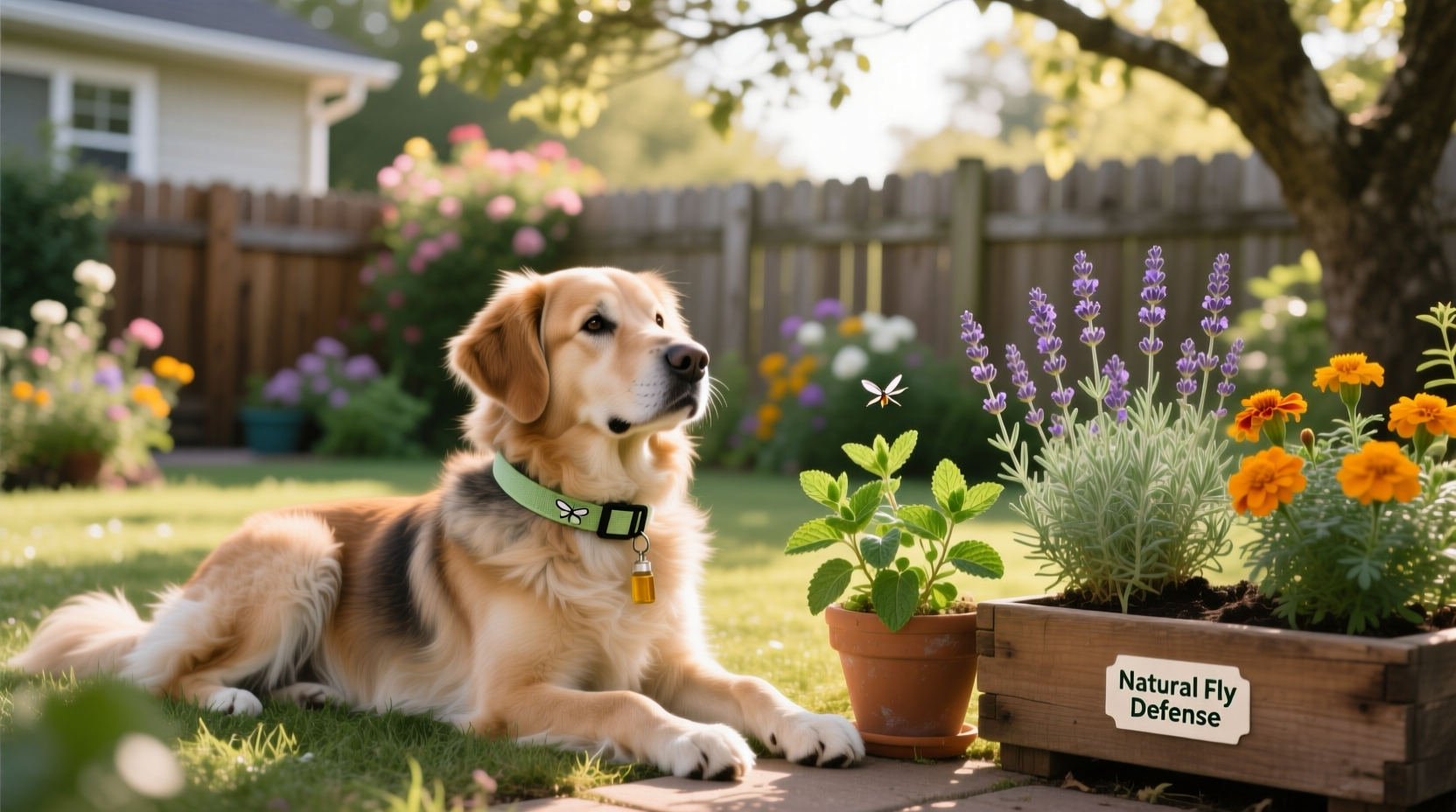
Flies are attracted to dogs for multiple reasons: body heat, moisture from ears and eyes, sweat, urine residue on fur, and particularly any lingering odors from wounds, infections, or skin conditions. Breeds with floppy ears, facial folds, or thick undercoats—like Cocker Spaniels, Bulldogs, or Huskies—are often more vulnerable. Understanding what draws flies helps you address the root causes, not just the symptoms.
Mechanical irritation from constant biting can lead to restlessness, hair loss, and secondary infections. In warm, humid climates, the risk intensifies during summer months when fly populations peak.
Tip: Regular grooming reduces attractants like matted fur, fecal matter, and skin debris that draw flies.Natural Fly Repellent Methods That Work
Many plant-based ingredients naturally repel insects due to their strong scents or active compounds. When used correctly, these remedies offer protection without the side effects associated with DEET or permethrin-based sprays.
1. Apple Cider Vinegar Spray
A diluted solution of apple cider vinegar (ACV) acts as both a repellent and a pH balancer for your dog’s skin. Mix one part ACV with one part water in a spray bottle. Lightly mist your dog’s coat—avoiding eyes, nose, and open sores—and focus on legs, belly, and tail base where flies tend to land. Reapply after swimming or heavy sweating.
2. Essential Oil Blends (Used Safely)
Some essential oils—such as citronella, eucalyptus, lemongrass, and peppermint—have natural insect-repelling properties. However, dogs have sensitive livers and metabolize certain compounds poorly. Always dilute essential oils heavily (no more than 1% concentration) in a carrier oil like fractionated coconut oil or water-based spray. A safe blend might include:
- 10 drops citronella oil
- 5 drops lemongrass oil
- 1 cup distilled water + 1 tbsp witch hazel (as emulsifier)
Shake well before each use and apply only to fur, avoiding paws, face, and ingestion-prone areas. Never use tea tree (melaleuca) oil—it's highly toxic to dogs.
“Essential oils can be effective, but safety comes first. Always consult your vet before using them, especially on puppies, senior dogs, or those with liver issues.” — Dr. Lena Torres, DVM, Integrative Veterinary Care Specialist
3. Diatomaceous Earth (Food Grade)
Food-grade diatomaceous earth (DE) is a fine powder made from fossilized algae. It works by dehydrating insects upon contact. Lightly dust it on your dog’s bedding, outdoor resting areas, or directly into thick coats (avoid inhalation). Reapply after rain or bathing. Ensure it’s labeled “food grade” and never use pool-grade DE, which is chemically treated and dangerous.
Environmental Control: Reduce Fly Attraction at the Source
The most effective fly management combines personal protection with environmental hygiene. Even the best repellent won’t work if your yard is a breeding ground.
Step-by-Step Yard Management Plan
- Remove waste daily: Pick up dog feces immediately—flies lay eggs in moist organic matter within hours.
- Seal compost bins: Use closed containers to prevent access.
- Clean food bowls after meals: Don’t leave food outdoors overnight.
- Eliminate standing water: Empty birdbaths, buckets, or clogged gutters weekly.
- Use fly traps: Natural traps with apple cider vinegar and dish soap can reduce adult fly populations.
Protective Gear and Physical Barriers
For dogs spending extended time outdoors, physical protection is one of the safest long-term strategies.
- Fly masks: Designed originally for horses, lightweight fly masks now come in canine sizes, protecting ears and face—ideal for dogs with ear hematomas or chronic otitis.
- Breathable fly suits: Mesh coverings shield the body without overheating, especially useful during dawn and dusk when flies are most active.
- Elevated beds: Keep dogs off damp grass or soil where flies congregate.
| Method | Effectiveness | Safety | Best For |
|---|---|---|---|
| ACV Spray | Moderate (short-term) | High (if diluted) | Daily prevention, sensitive dogs |
| Essential Oil Spray | High (with proper use) | Moderate (risk if misused) | Healthy adult dogs, supervised use |
| Food-Grade DE | High (environmental) | High (external only) | Bedding, outdoor areas |
| Fly Masks/Suits | Very High | Very High | Dogs with wounds, chronic conditions |
| Herbal Plantings | Low-Moderate | Very High | Complementary landscaping |
Mini Case Study: Managing Flies for a Senior Dog with Skin Issues
Max, a 10-year-old Golden Retriever, developed recurrent hot spots behind his ears due to seasonal allergies. During summer, houseflies began congregating around the moist lesions, causing him to scratch violently. His owner, Sarah, avoided chemical sprays due to Max’s history of liver enzyme elevation. Instead, she implemented a multi-pronged approach: she cleaned the affected areas with a chamomile tea rinse, applied a diluted ACV spray twice daily, and placed food-grade DE around his outdoor bed. She also planted lemon balm near his favorite sitting spot. Within two weeks, fly activity dropped significantly, and Max’s healing accelerated without further irritation. This case illustrates how combining topical care, environmental control, and natural repellents can yield excellent results—even for high-risk dogs.
Checklist: Daily & Weekly Fly Prevention Routine
Stay ahead of flies with this practical checklist:
- ✅ Inspect your dog’s ears, paws, and underbelly daily for signs of bites or sores.
- ✅ Groom regularly to prevent matting and remove debris.
- ✅ Apply natural repellent spray every morning (reapply after rain).
- ✅ Pick up droppings within 1–2 hours of defecation.
- ✅ Wash bedding weekly in hot water.
- ✅ Check fly traps and refill as needed.
- ✅ Trim long fur around the rear and legs to minimize fecal trapping.
Frequently Asked Questions
Can I use human bug spray on my dog?
No. Human insect repellents often contain DEET or picaridin, which are toxic to dogs if ingested through licking or absorbed through the skin. Stick to products specifically formulated for dogs—or better yet, use natural alternatives under veterinary guidance.
Are natural remedies as effective as chemical ones?
In many cases, yes—especially when combined with environmental management. While chemical sprays may offer longer-lasting or broader-spectrum protection, natural methods are safer for frequent use and ideal for dogs with sensitivities. Consistency is key: natural solutions often require more frequent application but avoid cumulative toxicity.
What should I do if my dog gets fly strike?
Fly strike—when flies lay eggs in soiled fur or wounds, leading to maggot infestation—is a medical emergency. Symptoms include foul odor, visible larvae, lethargy, and pain. Clip the affected area carefully, clean with mild antiseptic, and seek immediate veterinary care. Prevention through hygiene and monitoring is far more effective than treatment.
Final Thoughts: Safety First, Nature Second
Keeping flies off your dog doesn’t require harsh chemicals or expensive treatments. With a thoughtful combination of natural repellents, diligent grooming, and smart environmental practices, you can create a protective barrier that’s both effective and safe. The goal isn’t total eradication—flies are part of the ecosystem—but minimizing exposure and discomfort for your pet. By focusing on prevention, observation, and holistic care, you empower your dog to enjoy the outdoors without constant irritation.
💬 Have a natural fly remedy that works for your dog? Share your experience in the comments and help other pet owners find safer, smarter solutions!








