Ringworm in dogs is a common but misunderstood condition. Despite its name, it’s not caused by a worm but by a fungal infection known as dermatophytosis. It affects the skin, fur, and nails and is highly contagious to other pets and humans. While not life-threatening, untreated ringworm can spread rapidly and lead to secondary infections or prolonged discomfort for your pet. The good news is that with prompt action, proper treatment, and consistent home care, most cases resolve within a few weeks.
This guide covers proven medical treatments, practical at-home care strategies, and essential steps to prevent reinfection. Whether you're dealing with a mild patch or a widespread outbreak, this information will help you act decisively and effectively.
Understanding Ringworm: Causes and Symptoms
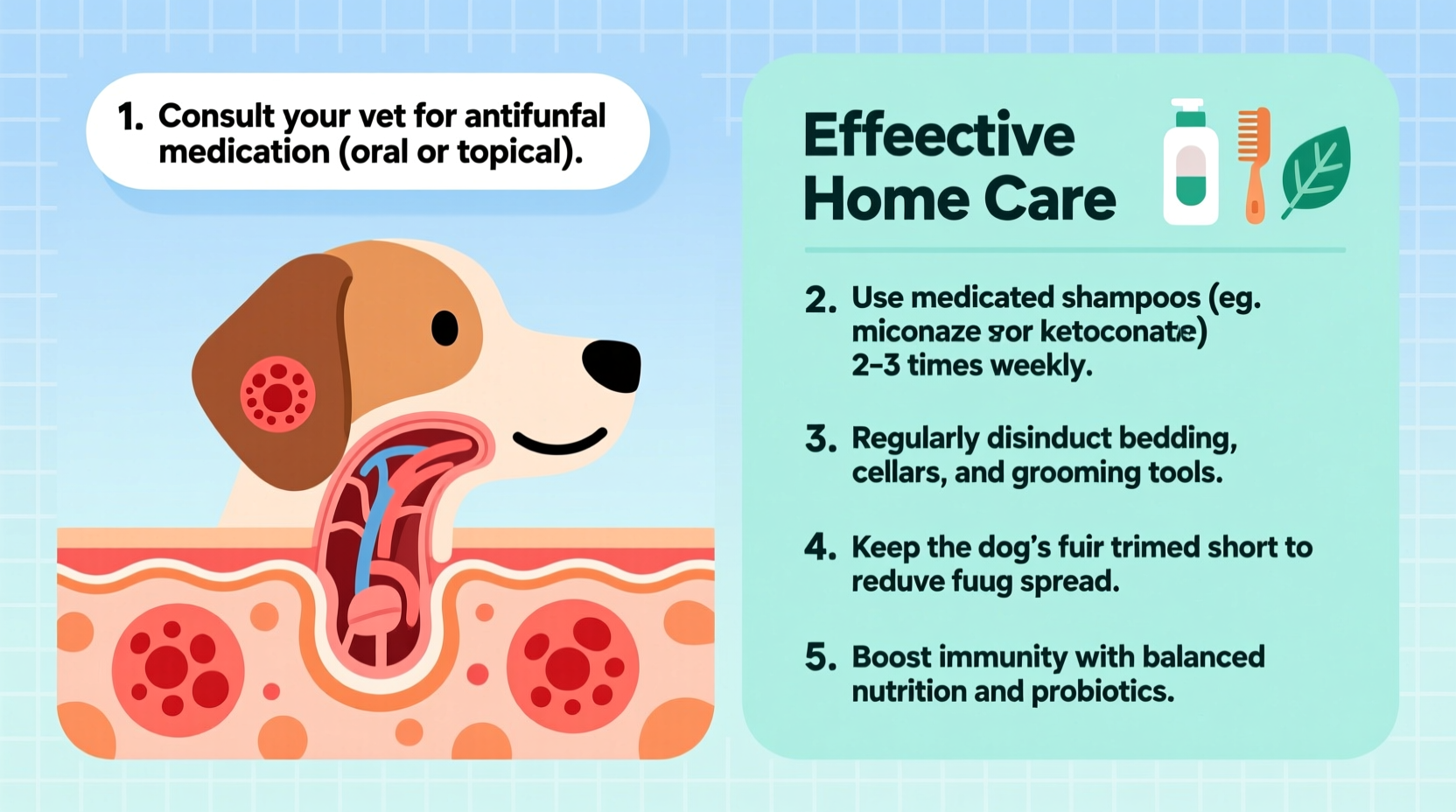
Ringworm is caused primarily by fungi such as *Microsporum canis*, which thrive on dead skin cells, hair, and keratin. Dogs become infected through direct contact with an infected animal, contaminated surfaces (like bedding or grooming tools), or spores in the environment. Puppies, senior dogs, and those with weakened immune systems are especially vulnerable.
Symptoms often appear 7–14 days after exposure and include:
- Circular patches of hair loss, often with crusting or scaling
- Red, inflamed skin at the center of lesions
- Itching, though not always severe
- Dry, brittle, or broken hairs around affected areas
- Nail infections (onychomycosis) in some cases
Lesions typically appear on the head, ears, paws, and forelimbs, but can spread across the body if left untreated.
Tip: Use a blacklight cautiously—some strains of ringworm fluoresce under UV light, but not all. A Wood's lamp can offer clues, but diagnosis should always be confirmed by a vet.Veterinary Treatments That Work
While home remedies may provide temporary relief, clinical treatment is essential for eliminating ringworm. Your veterinarian will likely recommend a combination of topical and systemic therapies based on the severity of the infection.
Topical treatments include antifungal shampoos, creams, or dips containing miconazole, ketoconazole, or lime sulfur. These are applied directly to affected areas and help reduce shedding of fungal spores. Medicated baths are usually prescribed twice weekly for several weeks.
Oral medications such as terbinafine, itraconazole, or griseofulvin are used for moderate to severe cases. These drugs work systemically to stop fungal reproduction. Treatment duration typically ranges from 4 to 8 weeks, and blood tests may be needed to monitor liver function during prolonged use.
“Effective ringworm treatment requires consistency. Stopping medication early—even if the skin looks better—can lead to relapse.” — Dr. Rebecca Torres, DVM, Veterinary Dermatology Specialist
Step-by-Step Home Care Plan
Medical treatment alone isn’t enough. To fully eliminate ringworm and prevent recurrence, follow this structured home care timeline:
- Isolate your dog (Days 1–30): Keep your pet in a single, easy-to-clean room away from other animals and high-traffic areas.
- Begin medicated bathing (Day 2): Follow your vet’s instructions for antifungal shampoo application. Allow 10 minutes of contact time before rinsing.
- Apply topical cream (Daily): After baths, gently apply prescribed ointment to all visible lesions using disposable gloves.
- Start oral medication (As prescribed): Administer pills at the same time each day, ideally with food to reduce stomach upset.
- Disinfect daily (Ongoing): Clean floors, bedding, and surfaces with a bleach solution (1 part bleach to 10 parts water) or veterinary-approved disinfectant.
- Clip long-haired dogs (Week 2): Shortening fur improves topical penetration and reduces environmental contamination.
- Monitor progress (Weekly): Take dated photos to track healing and report any worsening to your vet.
- Recheck with vet (Week 6): Confirm clearance via fungal culture or PCR test before discontinuing treatment.
Essential Prevention and Environmental Control
Fungal spores can survive in the environment for up to 18 months, making decontamination critical. Failure to clean thoroughly is a leading cause of reinfection.
| Area | Recommended Action | Avoid |
|---|---|---|
| Bedding & Towels | Wash in hot water with bleach (if fabric allows); dry on high heat | Using cold water or air-drying only |
| Floors & Surfaces | Disinfect daily with diluted bleach or enilconazole solution | Dusting or dry sweeping (spreads spores) |
| Grooming Tools | Soak in bleach solution for 10+ minutes or replace | Sharing between pets without sterilization |
| Upholstered Furniture | Vacuum with HEPA filter; cover with washable throws | Allowing pet access without protection |
Mini Case Study: Recovery of a Multi-Pet Household
The Carter family adopted a rescue puppy who developed circular bald spots two weeks later. Their vet diagnosed ringworm via fungal culture. With three cats and two children at home, immediate containment was crucial.
They isolated the puppy in a tiled bathroom, began twice-weekly lime sulfur dips, and administered oral itraconazole. All bedding was washed daily, and shared spaces were disinfected nightly. The cats were monitored closely and tested negative throughout.
After six weeks of consistent treatment and environmental management, a follow-up culture came back negative. The key to their success? Strict adherence to the vet’s protocol and refusing to cut corners—even when symptoms improved early.
Do’s and Don’ts of Ringworm Management
- DO wear gloves when handling your dog or cleaning contaminated areas.
- DO wash hands thoroughly after contact.
- DO keep children away from infected pets until cleared by a vet.
- DON’T use over-the-counter athlete’s foot creams without veterinary approval—they may worsen the condition.
- DON’T bathe your dog excessively—over-washing can irritate the skin and delay healing.
- DON’T assume the infection is gone once hair regrows. Always confirm with a vet test.
FAQ
Can humans catch ringworm from dogs?
Yes. Ringworm is zoonotic. Humans may develop red, ring-shaped rashes that are itchy and scaly. Those with compromised immunity or young children are at higher risk. If you suspect exposure, consult a physician promptly.
How long does it take for ringworm to clear up?
With proper treatment, visible improvement occurs in 2–3 weeks, but full recovery usually takes 4–8 weeks. Environmental decontamination must continue even after your dog appears healed.
Are there natural remedies that work?
While coconut oil or apple cider vinegar have anecdotal support, they lack scientific backing and should never replace prescribed treatment. Some natural products can interfere with medication or irritate sensitive skin.
Final Checklist Before You Begin Treatment
- Confirm diagnosis with a veterinarian (do not self-diagnose).
- Obtain prescribed topical and/or oral antifungals.
- Designate an isolation area with non-porous flooring.
- Prepare cleaning supplies: bleach, gloves, HEPA vacuum, laundry detergent.
- Inform household members about hygiene protocols.
- Schedule follow-up appointments for retesting.
- Trim your dog’s fur if long-coated (consult your vet first).
Conclusion
Eliminating ringworm from your dog and your home demands diligence, but it’s entirely achievable with the right approach. Combining veterinary medicine with rigorous environmental control stops the cycle of reinfection and protects your entire household. The fastest recovery comes not from shortcuts, but from consistency—from daily medicated baths to nightly disinfection.
💬 Have experience treating ringworm in your pet? Share your story or tips in the comments to help fellow pet owners navigate this challenging but manageable condition.








