
Tapeworms are among the most common intestinal parasites affecting cats worldwide. While they rarely cause life-threatening illness, untreated infestations can lead to discomfort, nutritional deficiencies, and secondary health complications. Recognizing the signs early and understanding the treatment options are crucial for restoring your cat’s health and preventing reinfection. This guide provides a comprehensive overview of tapeworm biology, clinical management, and long-term preventive care based on current veterinary practices.
Understanding Tapeworms in Cats
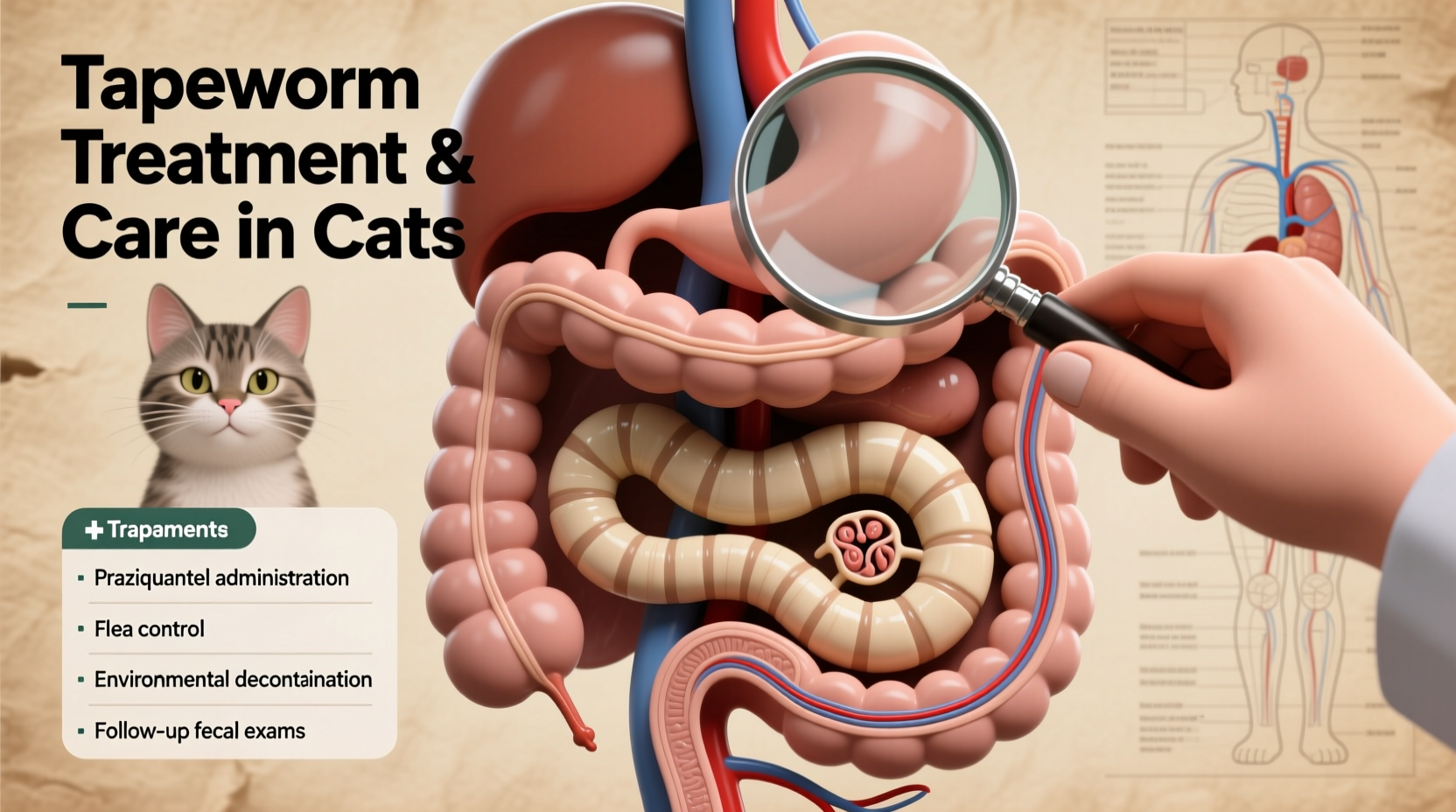
Tapeworms belong to the class Cestoda and are flat, segmented worms that live in the small intestine of cats. The most common species affecting domestic cats is *Dipylidium caninum*, which relies on fleas as intermediate hosts. Less commonly, cats may contract *Taenia* species from consuming infected rodents or raw meat.
The lifecycle begins when a cat ingests an infected flea during grooming. Once inside the digestive tract, the tapeworm attaches to the intestinal wall and matures over 3–4 weeks. As it grows, it produces segments filled with eggs called proglottids. These segments break off and pass in the feces or migrate near the anus, where they resemble moving rice grains or dried sesame seeds.
Cats often show few symptoms in mild infections. However, persistent infestations may lead to weight loss despite normal appetite, lethargy, irritation around the anus (leading to excessive licking or \"scooting\"), and visible worm segments in stool or bedding.
“Tapeworms are more than just a nuisance—they disrupt nutrient absorption and indicate underlying issues like flea infestation.” — Dr. Laura Simmons, DVM, Veterinary Parasitology Specialist
Diagnosis and Veterinary Confirmation
While visual identification of proglottids is a strong indicator, definitive diagnosis should be confirmed by a veterinarian. A fecal flotation test may not always detect tapeworm eggs because they are shed irregularly and often remain enclosed within mobile segments.
Vets typically rely on owner-submitted photos or physical samples of the segments for accurate identification. In some cases, multiple fecal exams or specialized testing may be required if co-infections with other parasites like roundworms or hookworms are suspected.
Tip: If you notice small, white, rice-like segments near your cat’s tail or in their litter box, collect a sample in a sealed container and bring it to your vet for analysis.Effective Treatment Options
Treatment for tapeworms centers on anthelmintic (deworming) medications that target adult worms in the intestine. The two most widely used active ingredients are praziquantel and epsiprantel, both of which are highly effective and safe for feline use.
Praziquantel works by disrupting the parasite’s outer membrane, causing rapid paralysis and disintegration of the worm. It is available in oral tablets, injectable forms, and topical formulations—often combined with other broad-spectrum dewormers. Most cats require only a single dose, though a follow-up treatment after 2–3 weeks may be recommended in heavy infestations.
Over-the-counter dewormers vary in quality and specificity. Products not containing praziquantel may fail to eliminate tapeworms entirely. Always consult your veterinarian before administering any medication to ensure correct dosage and species appropriateness.
| Medication Type | Active Ingredient | Administration | Efficacy |
|---|---|---|---|
| Oral Tablet | Praziquantel | Single dose, repeat if needed | 95–100% |
| Topical Solution | Praziquantel + other agents | Monthly application | High (prevents recurrence) |
| Injection | Praziquantel | Veterinary-administered | Near 100% |
| OTC Dewormer | Varies (often ineffective) | Multiple doses | Low to moderate |
Preventing Reinfection: A Step-by-Step Guide
Treating the current infection is only half the battle. Without addressing the source—usually fleas—reinfection is likely within weeks. Follow this step-by-step plan to break the cycle:
- Eliminate Fleas: Use a veterinarian-approved flea control product on all pets in the household. Treat monthly year-round, even indoors.
- Environmental Decontamination: Vacuum carpets, wash bedding, and clean litter boxes thoroughly. Dispose of vacuum contents immediately.
- Restrict Hunting Behavior: Keep your cat indoors or supervise outdoor time to prevent consumption of infected prey.
- Avoid Raw Diets: Do not feed raw or undercooked meat, which may harbor tapeworm larvae.
- Schedule Follow-Up: Recheck fecal samples 2–3 weeks post-treatment if symptoms persist.
Mini Case Study: Bella the Indoor-Outdoor Cat
Bella, a 3-year-old domestic shorthair, began excessively grooming her rear end and was found dragging her hindquarters across the carpet. Her owner noticed small, white, wriggling segments on her fur and brought them to the vet. Fecal examination confirmed *Dipylidium caninum*.
Bella received a single oral dose of praziquantel and was started on a monthly topical flea preventive. The owner washed all bedding and treated the house with a pet-safe insecticide. Two weeks later, no new segments were observed. At a one-month checkup, Bella showed improved coat condition and regained lost weight. The case highlights how effective treatment combines medical intervention with rigorous environmental management.
Do’s and Don’ts of Tapeworm Care
| Do | Don't |
|---|---|
| Use vet-prescribed dewormers containing praziquantel | Rely solely on OTC products without confirmation |
| Treat all pets in the household simultaneously | Ignore flea prevention after deworming |
| Practice regular litter box hygiene | Allow free-roaming unsupervised outdoors |
| Monitor for recurring signs post-treatment | Delay veterinary consultation if segments reappear |
Frequently Asked Questions
Can humans get tapeworms from cats?
Yes, but it is rare. Humans—especially children—can become infected by accidentally ingesting an infected flea, usually through close contact with an infested pet. Maintaining strict flea control and hand hygiene significantly reduces this risk.
How long does it take for tapeworms to go away after treatment?
Most cats stop shedding segments within 24–72 hours after taking praziquantel. However, complete clearance from the intestines occurs within a few days. Visible improvement in symptoms like itching or weight loss may take 1–2 weeks.
Are natural remedies effective against tapeworms?
No scientifically proven natural treatments exist for feline tapeworms. Remedies such as pumpkin seeds, garlic, or diatomaceous earth lack efficacy and may delay proper treatment. Only FDA- or veterinary-approved anthelmintics should be used.
Conclusion: Proactive Care for a Healthy Cat
Tapeworms in cats are treatable and largely preventable with consistent care. Early recognition of symptoms, prompt veterinary treatment, and diligent flea control form the foundation of effective management. By integrating routine deworming into your pet’s healthcare plan and minimizing exposure risks, you can protect your cat from discomfort and potential complications.
💬 Have experience managing tapeworms in your cat? Share your story or questions in the comments to help other pet owners navigate treatment and prevention successfully.








