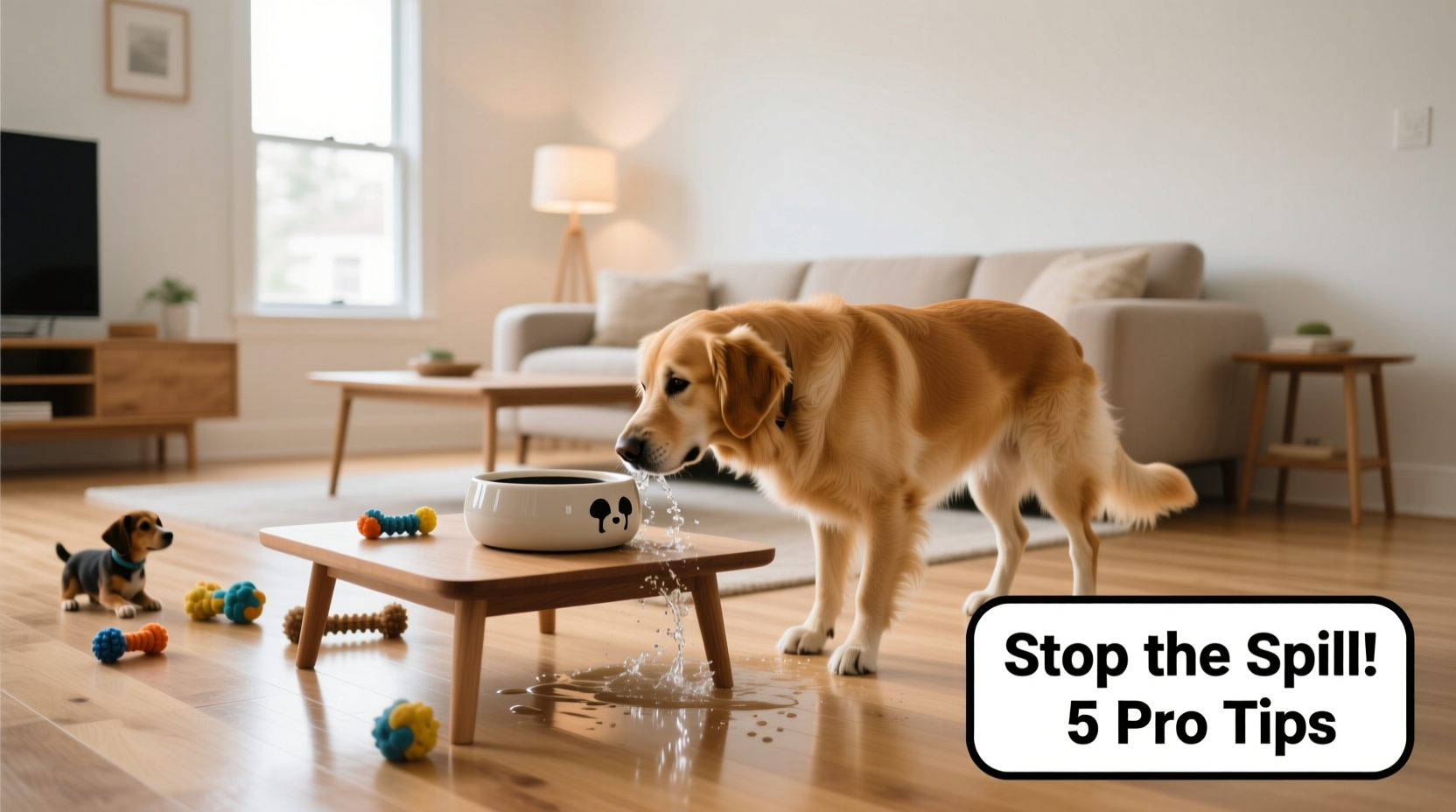
Dog owners know the familiar scene: you fill the water bowl with fresh, cool water, turn your back for a moment, and return to a soaked floor, scattered kibble, and an empty bowl tipped on its side. While it may seem like a quirky habit, dogs overturning their water bowls is more than just messy—it can lead to mold growth, slippery floors, and wasted resources. The good news is that this behavior is often preventable with thoughtful adjustments to your pet’s environment, routine, and feeding setup. With a combination of behavioral insight and practical solutions, you can maintain a clean, dry space while ensuring your dog stays hydrated and content.
Understand Why Dogs Tip Over Their Water Bowls
Dogs don’t dump their water out of spite or laziness—they do it for reasons rooted in instinct, playfulness, or discomfort. Understanding the motivation behind the behavior is the first step toward solving it.
- Play and curiosity: Some dogs enjoy splashing water, especially puppies who are still exploring their environment.
- Instinctual digging or pawing: Breeds with strong prey or digging instincts (like terriers) may paw at the bowl as if trying to unearth something.
- Bowl instability: Lightweight or narrow-based bowls tip easily, encouraging repeated tipping.
- Discomfort with placement: If the bowl is near food, some dogs prefer to drink away from their eating area due to natural scavenging instincts.
- Water quality or temperature: Warm, stale, or dirty water may prompt a dog to interact with the bowl in an attempt to “fix” it.
“Dogs often respond to environmental cues we overlook. A wobbly bowl or noisy surface can trigger repeated tipping even in well-trained pets.” — Dr. Lena Torres, Certified Animal Behaviorist
Choose the Right Bowl: Stability and Design Matter
The type of water bowl you use plays a critical role in preventing spills. Not all bowls are created equal—some are designed specifically to resist tipping.
| Bowl Type | Pros | Cons |
|---|---|---|
| Heavy ceramic | Stable base, non-porous, dishwasher safe | Can break if dropped; heavy for travel |
| Weighted stainless steel | Durable, hygienic, hard to tip | Premium models cost more |
| Non-slip rubber base | Stays put on smooth floors | May wear over time |
| Plastic | Affordable, lightweight | Easily tipped, scratches harbor bacteria |
Strategic Placement and Environmental Adjustments
Location is everything. Even the best bowl will fail if placed in a high-traffic zone or on a slick surface.
Place the water bowl in a quiet corner away from doors, foot traffic, and loud appliances. This reduces distractions and makes drinking a calm activity. Avoid placing it directly next to the food bowl—many dogs naturally separate eating and drinking zones. Consider using a small mat or tray underneath the bowl to catch minor drips and protect flooring.
Step-by-Step Guide: Optimizing Water Station Setup
- Assess current location: Is the bowl near a door, heater, or busy walkway? Move it to a quieter area.
- Evaluate flooring: On tile or hardwood, use a textured mat to reduce slipping.
- Test stability: Gently nudge the bowl. If it tips easily, switch to a heavier model.
- Separate food and water: Position bowls at least 3–4 feet apart.
- Monitor behavior: Observe your dog for 1–2 days to see if tipping decreases.
Behavioral Training and Positive Reinforcement
If your dog has turned water tipping into a game, consistent training can redirect the behavior. The goal isn’t punishment but teaching alternative actions through positive reinforcement.
Start by catching your dog before they tip the bowl. When they approach it calmly, reward them with a treat or verbal praise. If they begin pawing or nudging, gently redirect them with a command like “leave it” and offer a chew toy instead. Consistency is key—everyone in the household must respond the same way.
For persistent cases, consider using a camera to record the behavior when you’re not present. You might discover patterns—such as tipping only after meals or during certain times of day—that help tailor your response.
Tip: Pair hydration with positive experiences. Offer a treat immediately after your dog drinks calmly to reinforce good behavior.Mini Case Study: Fixing the Morning Mess
Sarah, a dog owner in Portland, struggled daily with her 2-year-old Border Collie, Max, who would flip his water bowl every morning after breakfast. She tried plastic and metal bowls, but nothing worked. After consulting a trainer, she moved the bowl from the kitchen center island to a corner near the laundry room, placed it on a rubber mat, and switched to a heavy ceramic bowl. She also began rewarding Max with a small piece of freeze-dried liver each time he drank without pawing at the water. Within a week, the tipping stopped entirely. The combination of environmental change and positive reinforcement addressed both the physical and behavioral triggers.
Alternative Solutions for Stubborn Cases
If traditional methods fall short, consider these advanced options:
- Wall-mounted or elevated dispensers: These attach securely to walls or stands, making them nearly impossible to tip. Ideal for large or energetic dogs.
- Automatic water fountains: Many models have wide bases and continuous flow, which discourages playing since the water doesn’t pool.
- Double-bowl trays: These contain spills and often come with non-slip bottoms, serving as both a functional and protective solution.
- Outdoor stations: For dogs who spend time outside, install a gravity-fed or spring-loaded outdoor hydrant that only releases water when pressed.
Checklist: Prevent Dog Water Bowl Spills
- ✅ Replace lightweight bowls with heavy, stable ones
- ✅ Use a non-slip mat or tray under the bowl
- ✅ Separate water and food bowls by several feet
- ✅ Place the bowl in a quiet, low-traffic area
- ✅ Clean and refill water daily to encourage use
- ✅ Reward calm drinking behavior with treats
- ✅ Consider an automatic fountain or wall-mounted option if needed
FAQ
Why does my dog only knock over the water bowl and not the food bowl?
Water moves and reflects light, which can attract curious or playful dogs. The fluid nature of water also allows for interaction—splashing or pawing creates a response, unlike dry food. Additionally, some dogs prefer to eat in one spot and drink in another, leading to more movement around the water bowl.
Is it okay to limit water access to stop the mess?
No. Hydration is essential for your dog’s health. Never restrict water to manage spills. Instead, focus on spill-proof solutions that allow free access while minimizing mess.
Could tipping the bowl be a sign of anxiety?
In rare cases, repetitive or obsessive behaviors like pawing at water may indicate underlying stress or anxiety. If your dog shows other signs—excessive licking, pacing, or destructive chewing—consult a veterinarian or animal behaviorist.
Conclusion: A Cleaner Home Starts with Smart Solutions
Preventing your dog from dumping the water bowl isn’t about controlling behavior through restriction—it’s about understanding needs and designing a better environment. From choosing the right bowl to reinforcing calm habits, each step contributes to a drier, cleaner home and a happier, healthier pet. Small changes, consistently applied, lead to lasting results. Start today by evaluating your current setup, making one or two improvements, and observing the difference. Your floors—and your peace of mind—will thank you.
💬 Have a tip that worked for your dog? Share your experience in the comments and help fellow pet owners keep their homes clean and stress-free!








