Dogs rely on fresh, clean water throughout the day, but stagnant water in bowls can quickly become a breeding ground for algae. Algae growth not only makes water unappealing—it can also pose health risks if ingested in large amounts. Green, slimy residue is a common sight in outdoor bowls or those left in sunny spots, but it doesn’t have to be inevitable. With consistent care and smart practices, you can maintain a hygienic drinking environment for your pet. The key lies in understanding what encourages algae formation and how to disrupt its cycle.
Why Algae Grows in Dog Water Bowls
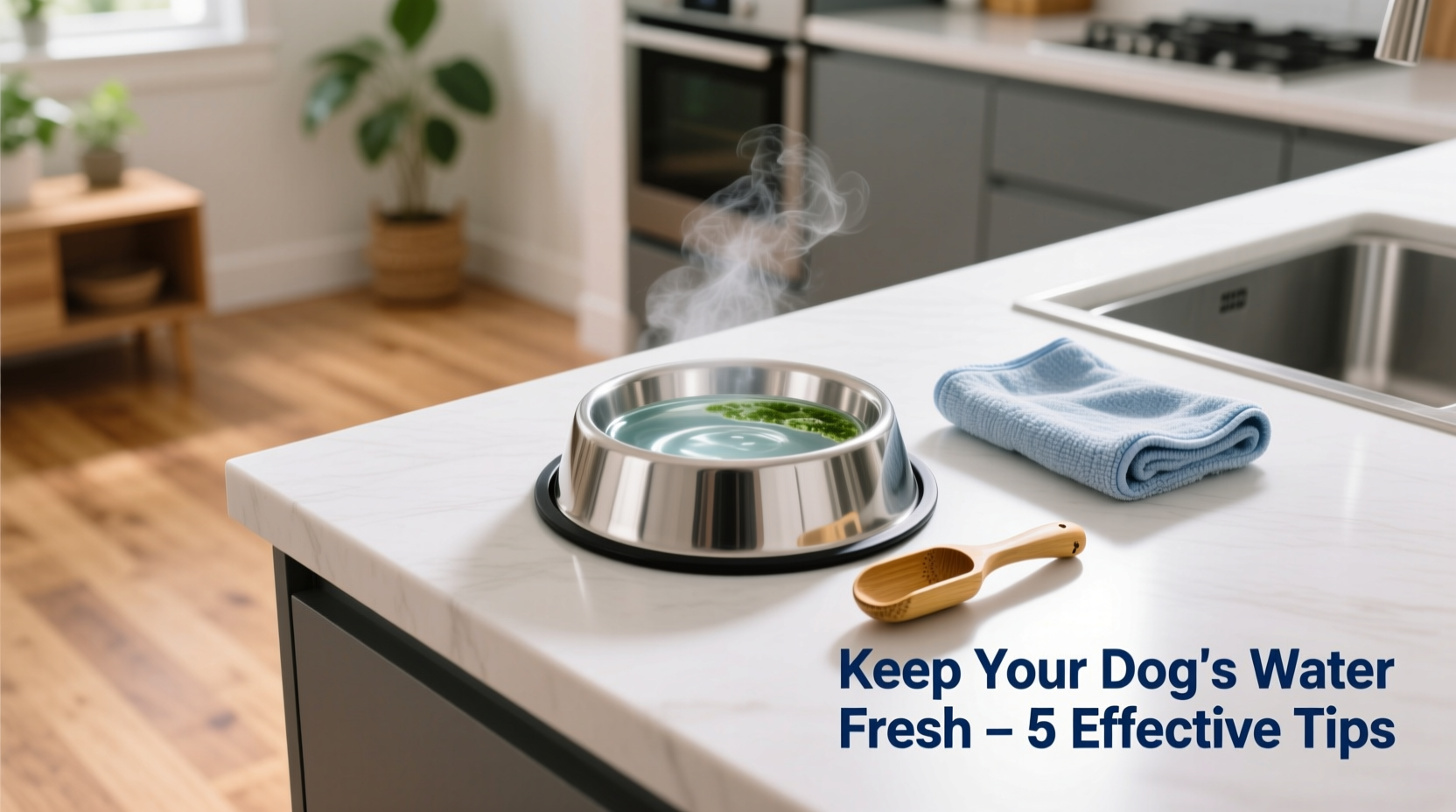
Algae are photosynthetic microorganisms that thrive in warm, moist environments with access to light and nutrients. Dog water bowls provide the perfect storm: sunlight (especially if placed near windows or outdoors), organic debris from saliva and food particles, and room temperature conditions. Once spores land in the water—often carried by air or insects—they multiply rapidly, forming visible green films or cloudy discoloration within days.
While most common algae aren’t immediately toxic, certain types like blue-green algae (cyanobacteria) can produce harmful toxins. Even non-toxic algae degrade water quality, encouraging bacterial growth and making pets reluctant to drink. Dehydration becomes a risk when dogs avoid their water source due to taste or smell.
Tip: Change your dog’s water at least twice daily—morning and evening—to disrupt algae’s growth cycle before it establishes.Best Materials for Algae-Resistant Water Bowls
The type of bowl you use significantly influences how easily algae forms. Porous materials trap biofilm and are harder to sanitize, while smooth, non-reactive surfaces resist microbial adhesion.
| Material | Algae Resistance | Cleaning Ease | Notes |
|---|---|---|---|
| Stainless Steel | High | Excellent | Durable, non-porous, dishwasher-safe. Ideal for indoor and outdoor use. |
| Glass | High | Good | Non-porous and inert, but fragile. Best for indoor settings. |
| Ceramic | Moderate | Good | Glazed surfaces help, but chips can harbor bacteria. Heavy and stable. |
| Plastic | Low | Fair | Scratches easily, promoting biofilm. Avoid unless frequently replaced. |
“Stainless steel is the gold standard for pet water bowls. Its non-porous surface prevents microbial colonization and withstands rigorous cleaning.” — Dr. Lena Peterson, DVM, Veterinary Preventive Care Specialist
Step-by-Step Daily and Weekly Maintenance Routine
Preventing algae isn’t about one-time fixes—it requires consistency. Follow this structured routine to ensure your dog always has access to clean water.
- Morning: Empty the bowl completely. Rinse with hot water to remove loose debris.
- Inspect: Check for film, odor, or discoloration. Use a soft brush to scrub all surfaces, especially the bottom rim.
- Clean: Wash with mild dish soap and warm water. For stainless steel or glass, a diluted vinegar solution (1:3 vinegar to water) helps dissolve mineral deposits and inhibit microbes.
- Rinse & Refill: Thoroughly rinse to remove any soap or vinegar residue. Refill with fresh, cool water.
- Evening: Repeat emptying and rinsing. If used outdoors, bring the bowl inside overnight to reduce exposure to spores and dew.
- Weekly Deep Clean: Soak the bowl in a mixture of one part white vinegar and three parts water for 30 minutes. Scrub with a non-abrasive sponge. For stubborn buildup, add baking soda for gentle abrasion.
Environmental Adjustments to Reduce Algae Risk
Location matters as much as cleaning frequency. Strategic placement minimizes algae-promoting conditions.
- Avoid direct sunlight: Keep bowls out of sunbeams, even indirect ones. A shaded corner indoors or a covered patio area works best outdoors.
- Reduce airborne contaminants: Place bowls away from dusty areas, compost bins, or trees where pollen and leaves fall.
- Elevate the bowl: Use a stand to prevent dirt and grass from entering, especially outside. Elevated bowls also discourage chewing and tipping.
- Use fresh water sources: Don’t refill partially used water. Always start with clean water to dilute organic load.
For outdoor setups, consider automatic waterers with enclosed reservoirs. These systems minimize exposure to air and light, drastically reducing algae formation. Gravity-fed or battery-powered models are low-maintenance and ideal for large yards.
Mini Case Study: How the Thompson Family Reduced Algae Incidents by 90%
The Thompsons had two active Labrador Retrievers who spent most of their time outdoors. Their plastic water bowl, placed under a tree, turned green within 48 hours, despite daily rinsing. Concerned about their dogs’ decreasing water intake, they consulted a veterinary technician who recommended a full system overhaul.
They switched to a stainless steel bowl mounted on an elevated stand, moved it to a covered porch, and implemented a twice-daily cleaning schedule using vinegar soaks weekly. Within a week, algae stopped forming. Over three months, both dogs increased their water consumption, and vet visits for minor gastrointestinal issues dropped. The change was simple but effective—proof that environment and material choices make a measurable difference.
Checklist: Algae Prevention Action Plan
Use this checklist weekly to stay on track:
- ☑ Replace plastic bowls with stainless steel or glass
- ☑ Empty and rinse water bowl morning and night
- ☑ Perform deep clean with vinegar solution once per week
- ☑ Position bowl in a shaded, low-traffic area
- ☑ Inspect for slime or odor before refilling
- ☑ Consider a filtered pet fountain for indoor use
- ☑ Replace outdoor bowls seasonally if scratched or worn
Frequently Asked Questions
Can algae in my dog’s water bowl make them sick?
Most common green algae are not highly toxic, but they can cause stomach upset, vomiting, or diarrhea if consumed in large quantities. The bigger concern is blue-green algae (cyanobacteria), which produces potent neurotoxins. While rare in household bowls, it can occur in stagnant outdoor water sources. If your dog shows signs of lethargy, drooling, or tremors after drinking, seek veterinary care immediately.
Are pet water fountains better for preventing algae?
Yes, many closed-loop pet fountains circulate and filter water, reducing stagnation. However, they still require regular maintenance. Filters should be changed monthly, and the entire unit cleaned weekly to prevent internal biofilm buildup. Choose models with UV-C sanitation features for added protection.
Is it safe to use vinegar to clean my dog’s water bowl?
Yes, white vinegar is a safe, natural disinfectant. It kills 82% of mold, mildew, and bacteria and helps dissolve mineral deposits. Always dilute (1:3 with water), soak for up to 30 minutes, and rinse thoroughly. Avoid vinegar on aluminum or unsealed wood.
Final Thoughts: Small Habits, Big Impact on Pet Health
Keeping your dog’s water bowl fresh isn’t just about aesthetics—it’s a fundamental part of preventive pet care. Algae may seem harmless, but it signals poor hygiene and can escalate into health concerns over time. By choosing the right bowl, maintaining a consistent cleaning routine, and optimizing placement, you create a safer hydration experience for your pet.
These habits take minimal effort but deliver lasting benefits: improved water intake, better digestion, and reduced risk of infection. Just like we prioritize clean drinking water for ourselves, our dogs deserve the same standard.
🚀 Start today: Swap out that old plastic bowl, run a vinegar soak, and commit to a twice-daily refresh. Your dog will drink more—and stay healthier—because of it.








