
Pet clothing has become more than just a fashion statement—it serves functional purposes like protecting against weather, managing allergies, and aiding recovery after surgery. However, frequent wear and exposure to dirt, drool, and outdoor elements can quickly degrade fabric quality if not properly maintained. The key to extending the life of your pet’s wardrobe lies in consistent, thoughtful care. With the right cleaning techniques, storage habits, and preventative measures, you can ensure garments remain hygienic, comfortable, and long-lasting.
Choose Pet-Friendly Fabrics Wisely
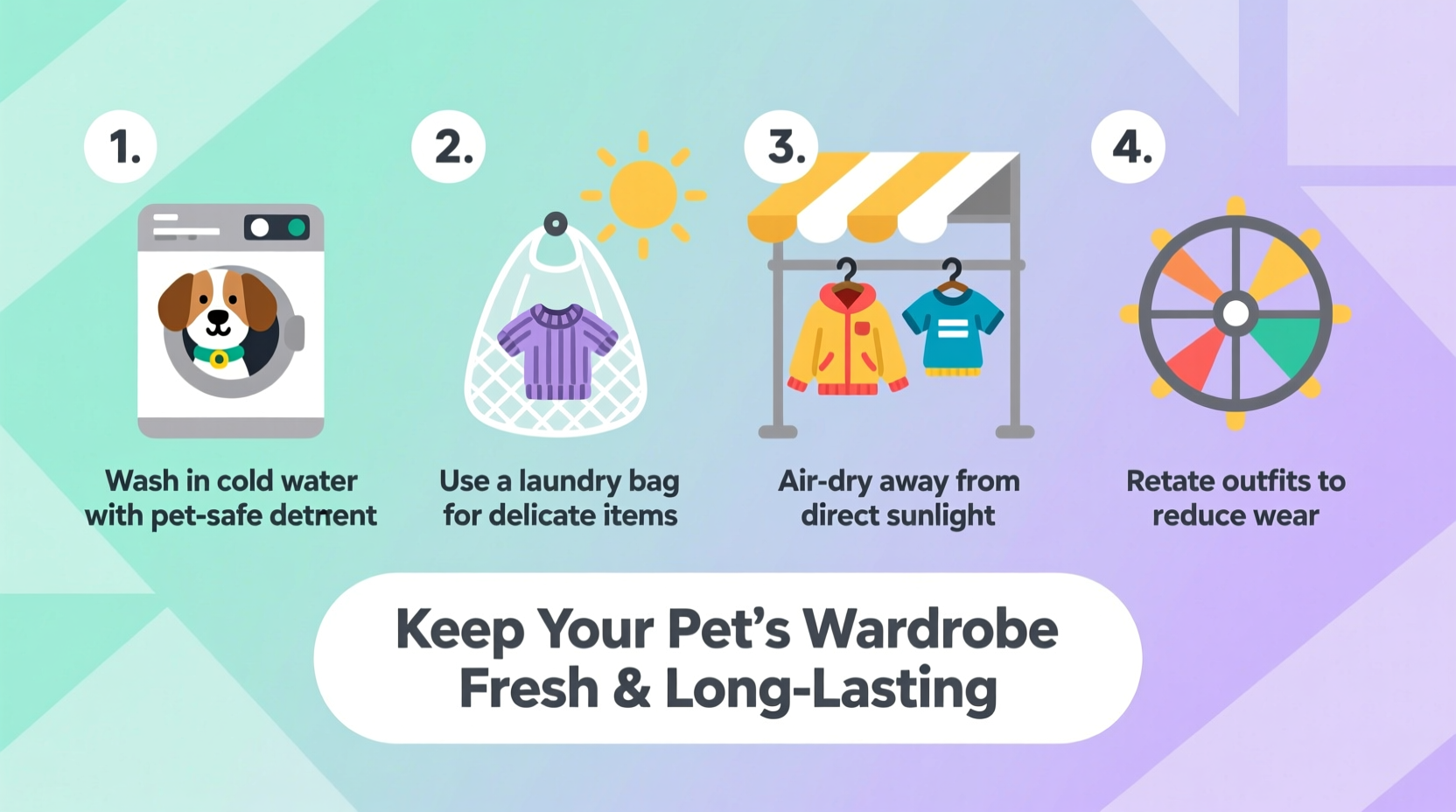
The durability and ease of maintenance of pet clothing begin with fabric selection. Not all materials withstand repeated washing or resist odors and stains equally. Opting for high-performance textiles from the start reduces wear over time and simplifies upkeep.
Natural fibers like cotton are breathable and gentle on sensitive skin but tend to shrink and absorb moisture easily. Synthetic blends such as polyester-spandex offer stretch, water resistance, and faster drying times—ideal for active dogs that play outdoors. For maximum longevity, look for reinforced stitching, double-layered seams, and machine-washable tags when purchasing pet apparel.
Tip: Always check garment labels before washing—some items require hand-washing or cold cycles only.| Fabric Type | Pros | Cons | Care Recommendation |
|---|---|---|---|
| Cotton | Breathable, soft, hypoallergenic | Shrinks easily, absorbs odors | Wash in cold water; air dry |
| Polyester Blend | Durable, wrinkle-resistant, quick-dry | Can trap heat, prone to static | Machine wash cold; tumble dry low |
| Fleece | Warm, lightweight, moisture-wicking | Pills over time, sheds lint | Turn inside out; gentle cycle |
| Nylon | Water-resistant, strong, abrasion-proof | Less breathable, may retain smell | Rinse after mud exposure; avoid bleach |
Establish a Cleaning Routine Based on Use
How often you clean pet clothing depends on activity level, environment, and season. A sweater worn during a short winter walk needs less attention than a raincoat used daily in muddy conditions. Creating a tiered cleaning schedule prevents unnecessary wear from overwashing while maintaining hygiene.
- Daily: Inspect for visible dirt, burrs, or wet spots. Wipe down with a damp cloth if lightly soiled.
- After Outdoor Use: Rinse off mud or salt (especially in winter) immediately to prevent fiber breakdown.
- Weekly: Wash frequently worn items like harness covers or indoor slippers using mild detergent.
- Monthly: Deep-clean seasonal pieces stored between uses to remove dust and potential mildew.
Avoid using fabric softeners—they coat fibers and reduce absorbency, which is critical for performance fabrics designed to wick moisture. Instead, add a half-cup of white vinegar to the rinse cycle to naturally deodorize and soften fabric without residue buildup.
Step-by-Step Guide: How to Hand-Wash Delicate Pet Garments
Some items, especially those with embellishments or made from wool, should never go in the washing machine. Follow this method for safe hand-cleaning:
- Fill a basin with lukewarm water and a small amount of pet-safe detergent.
- Submerge the garment and gently agitate for 3–5 minutes.
- Drain soapy water and refill with clean water to rinse thoroughly—repeat until water runs clear.
- Lay flat on a dry towel, roll up to absorb excess moisture, then reshape and air dry away from direct sunlight.
Prevent Damage During Storage
Improper storage leads to yellowing, musty smells, stretched necklines, and pest infestations. Unlike human clothes, pet apparel often sits unused for months, making it vulnerable to degradation if not stored correctly.
Fold knits and sweaters to prevent stretching. Hang structured jackets only if they have sturdy shoulders—flimsy hangers distort small collars and straps. Store all items in breathable cotton bags or ventilated plastic bins, never sealed vacuum containers, which trap moisture and encourage mold growth.
Tip: Place cedar blocks (not mothballs) in storage containers to deter pests naturally—moisture-absorbing silica packs help too.Real Example: How One Owner Extended Her Dog’s Raincoat Lifespan by 3 Years
Sarah, a dog walker in Seattle, noticed her rescue dog’s favorite raincoat began peeling at the seams after just one season. After consulting a pet product designer, she changed her routine: rinsing the coat after every rainy walk, hanging it to dry inside-out, and storing it in a mesh bin with airflow. She also stopped using scented wipes near the zipper, which had been corroding the coating. These adjustments kept the same jacket functional and waterproof for over three years—double its expected lifespan.
Expert Insight on Longevity and Safety
“Pet clothing takes more mechanical stress than people realize—from scratching, chewing, and constant movement. Using pH-balanced cleaners and avoiding high heat preserves both fabric integrity and skin health.” — Dr. Lena Torres, Veterinary Dermatologist & Pet Product Consultant
High heat from dryers or irons weakens elastic fibers and melts synthetic coatings used in waterproof gear. Air drying is always safest. If ironing is necessary (e.g., for pleated competition attire), use the lowest setting and place a cloth barrier between the iron and fabric.
Essential Care Checklist
Use this checklist monthly to maintain your pet’s clothing collection:
- ✅ Inspect all garments for loose threads, broken zippers, or frayed edges
- ✅ Sort items by frequency of use and wash accordingly
- ✅ Remove pet hair with a lint roller or masking tape (avoid sticky brushes that pull fibers)
- ✅ Treat stains promptly with enzyme-based cleaner (especially urine or feces)
- ✅ Rotate seasonal pieces to prevent prolonged compression in drawers
- ✅ Label storage bins clearly (e.g., “Winter,” “Post-Surgery Vests”)
Frequently Asked Questions
Can I use my regular laundry detergent for pet clothes?
It’s best to avoid standard detergents, which often contain dyes, perfumes, and optical brighteners that irritate sensitive pet skin. Choose fragrance-free, hypoallergenic formulas labeled safe for babies or pets. Brands like Seventh Generation Free & Clear or Tide Free & Gentle are widely recommended.
How do I remove stubborn odors from my cat’s sweater?
Soak the garment in a solution of cold water and one cup of baking soda for 30 minutes before washing. For persistent smells, add an enzymatic odor eliminator like Nature’s Miracle (designed for pet messes) to the soak. Never use ammonia-based cleaners—cats associate the smell with urine and may mark the clothing.
Is it safe to put pet clothes in the dryer?
Only if the care label explicitly allows it. Most experts recommend air drying to preserve elasticity and shape. If using a dryer, select the “no heat” or “air fluff” setting and remove while slightly damp to prevent over-drying.
Final Thoughts: Small Habits, Lasting Results
Maintaining clean and durable pet clothing doesn’t require expensive products or hours of effort. It comes down to consistency—rinsing after use, washing appropriately, and storing thoughtfully. These small actions compound over time, preserving not just the appearance of the garments but also your pet’s comfort and safety. Well-kept clothing performs better, fits longer, and supports your pet’s health by minimizing exposure to allergens and bacteria.
💬 Have a tip that saved your pet’s favorite hoodie? Share your story below—your experience could help another pet parent extend the life of their furry friend’s wardrobe!








