
Winter brings joy—snowy walks, holiday strolls, and cozy moments with your dog—but it also introduces challenges like wet paws, muddy fur, and soiled clothing. For pet owners who dress their dogs in sweaters, jackets, or booties, keeping these garments clean and functional throughout the season can feel like a constant battle. Snow carries salt, dirt, and chemicals that degrade fabric, cause odors, and irritate sensitive skin. The good news is that with the right strategies, you can extend the life of your dog’s winter wardrobe while ensuring comfort and hygiene.
Choose the Right Materials for Winter Wear
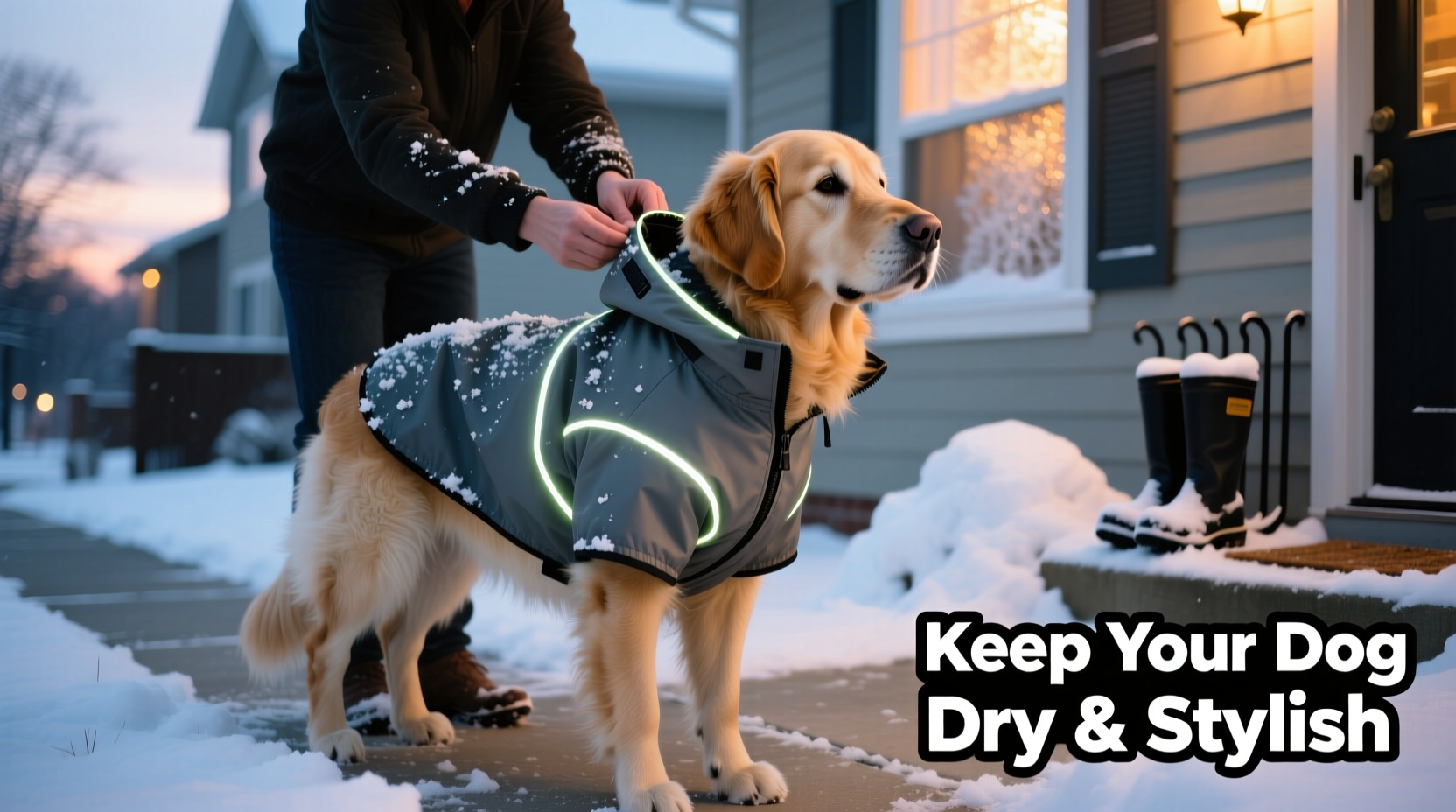
The foundation of clean, durable dog clothing starts with smart material selection. Not all fabrics handle moisture and abrasion equally. Synthetic blends like polyester and nylon are naturally water-resistant and dry quickly, making them ideal for outer layers exposed to snow. Fleece-lined garments offer warmth but should be paired with a waterproof shell to prevent soaking through.
Cotton may feel soft, but it absorbs moisture and takes longer to dry, increasing the risk of mildew and odor buildup. Avoid wool unless it’s treated for water resistance; untreated wool can shrink and felt when washed improperly.
Tip: Look for dog clothes labeled “water-resistant” or “quick-dry”—these will withstand repeated exposure to snow and slush without deteriorating.Pre-Treatment and Protective Coatings
Just as you’d treat a winter coat before heading out, consider applying a fabric protector to your dog’s clothing. Products designed for outdoor gear—such as sprays containing fluoropolymer—create an invisible barrier that repels water and prevents stains from setting in.
To apply:
- Wash and dry the garment first to remove any residues.
- Spray evenly from 6–8 inches away, focusing on high-exposure areas like the belly, chest, and back legs.
- Let dry completely (usually 2–4 hours) before use.
This treatment doesn’t make clothing fully waterproof, but it significantly reduces absorption, giving you more time between washes and minimizing deep cleaning.
Immediate Post-Walk Care Routine
What you do immediately after a snowy walk makes the biggest difference in long-term cleanliness. Follow this step-by-step process to minimize damage and contamination:
- Remove clothing outdoors: Take off your dog’s jacket or sweater outside or just inside the doorway to avoid tracking salt and slush deeper into the house.
- Shake off excess snow: Give the garment a firm shake to dislodge loose snow and debris.
- Wipe down with a damp cloth: Use a microfiber towel moistened with lukewarm water to wipe off visible salt, mud, or ice melt residue, especially along hems and seams.
- Air dry thoroughly: Hang the clothing on a drying rack away from direct heat sources. Avoid radiators or hairdryers, which can warp elastic and degrade fabric.
“Salt from de-icing roads is highly corrosive. If left on fabric, it breaks down fibers and causes discoloration within weeks.” — Dr. Lena Peterson, Veterinary Dermatologist & Pet Product Consultant
Washing Best Practices for Dog Winter Gear
Even with preventive care, regular washing is essential. However, over-washing can wear out materials faster. Aim to launder dog clothing every 3–5 uses, or immediately if visibly soiled or smelly.
| Do’s | Don’ts |
|---|---|
| Use a gentle, fragrance-free detergent safe for pets | Use bleach or fabric softeners—they can irritate your dog’s skin |
| Turn garments inside out to protect outer fabric | Wash with heavy items like towels or jeans that cause friction |
| Wash in cold water on a delicate cycle | Soak for extended periods—this weakens elastic and stitching |
| Hang dry or lay flat to preserve shape | Tumble dry on high heat—it shrinks and damages synthetic fibers |
For stubborn stains (like road salt rings or mud patches), pre-treat with a paste of baking soda and water, let sit for 10 minutes, then rinse before washing.
Storage Tips Between Seasons
Proper storage ensures your dog’s winter clothes remain fresh and ready for next year. After the final wash of the season, store garments in a cool, dry place away from sunlight and pests.
- Use breathable cotton storage bags instead of plastic bins, which trap moisture and encourage mildew.
- Add cedar blocks or lavender sachets to deter moths—avoid mothballs, which are toxic to pets.
- Inspect each item for loose threads or stains before storing; repair minor tears early.
Real-World Example: How One Owner Maintained Clean Gear All Season
Sarah, a dog owner in Minneapolis, walks her Border Collie mix daily—even in sub-zero temperatures. Last winter, she dressed her dog in a high-necked, water-resistant jacket and neoprene booties. To keep everything clean, she adopted a simple system:
- She kept a dedicated “dog gear station” by the back door with hooks, a small bin for dirty clothes, and a box of pet-safe wipes.
- After each walk, she removed the jacket and wiped it down, then hung it to dry overnight.
- Every two weeks, she washed the jacket using a mesh laundry bag to reduce friction.
By spring, the jacket showed no signs of fading, pilling, or odor. Sarah credits consistency: “It only takes two minutes after each walk, but it saved me from replacing clothes twice as often.”
Frequently Asked Questions
Can I machine wash all dog clothing?
Most dog clothes are machine washable, but always check the care label. Delicate items with reflective strips, padding, or electronic components (like heated vests) should be hand-washed or spot-cleaned.
How do I remove lingering odors from my dog’s winter jacket?
Odors often come from trapped moisture or bacteria. Try washing with a cup of white vinegar added to the rinse cycle—this neutralizes smells without harsh chemicals. Air out the garment in direct sunlight for a few hours (UV light has natural disinfecting properties).
Are booties worth it for protecting clothes?
Absolutely. Booties prevent muddy paws from transferring grime to the lower hem of sweaters and coats. They also protect against cracked paw pads from ice and salt. Choose ones with non-slip soles and secure Velcro straps for best fit.
Final Checklist: Keep Your Dog’s Clothes Clean This Winter
- Invest in water-resistant, quick-dry materials for outerwear.
- Apply a fabric protector spray before first use.
- Remove and wipe down clothing immediately after snowy walks.
- Wash every 3–5 uses using cold water and gentle detergent.
- Air dry completely before storing or re-wearing.
- Store clean, dry clothes in breathable containers between seasons.
- Inspect regularly for wear and repair minor damage early.
Conclusion
Maintaining your dog’s winter clothing doesn’t require expensive products or hours of effort. With consistent post-walk habits, smart washing techniques, and proper storage, you can keep their outfits looking fresh, functioning well, and free from harmful residues. These practices not only extend the lifespan of each piece but also contribute to your dog’s comfort and health during the coldest months. Winter walks don’t have to mean stained sleeves or ruined sweaters—start implementing these tips today and enjoy cleaner, safer, and more sustainable pet care.
💬 Have a tip that keeps your dog’s clothes spotless in winter? Share your experience below and help fellow pet owners stay prepared!








