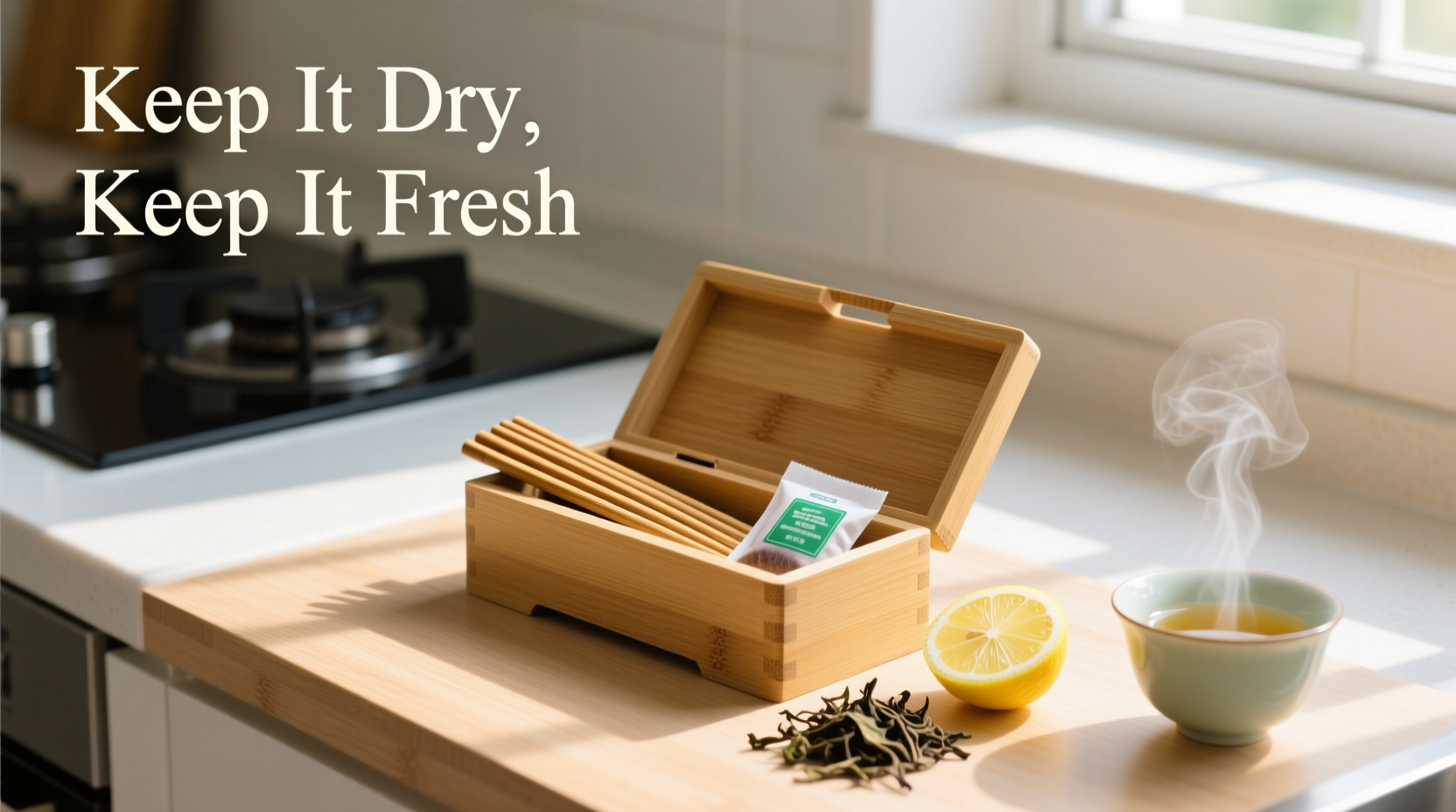
Chopstick boxes are a common fixture in many Asian households and restaurants, offering a convenient way to store reusable or disposable chopsticks. However, their enclosed, often damp environment makes them prone to mold and mildew—especially when used daily and stored improperly. Mold not only compromises hygiene but can also affect the taste of utensils and pose health risks over time. The good news is that with consistent care and smart habits, you can keep your chopstick box clean, dry, and fresh for months or even years.
Why Mold Grows in Chopstick Boxes
Mold thrives in warm, dark, and moist environments—conditions commonly found inside poorly ventilated chopstick containers. After washing, chopsticks that aren’t fully dried before storage create residual moisture. Over time, this encourages fungal growth, particularly species like *Aspergillus* and *Penicillium*, which are frequently detected in kitchen utensil storage areas.
Plastic and bamboo boxes are especially vulnerable. Bamboo, while natural and sustainable, absorbs moisture easily. Plastic may seem waterproof, but tiny crevices and seams can trap water. Even fabric-lined cases can harbor bacteria if exposed to dampness.
“Mold in kitchen storage isn’t just unsightly—it can lead to respiratory issues and allergic reactions, especially in sensitive individuals.” — Dr. Lin Mei, Environmental Health Specialist
Daily Habits to Prevent Moisture Buildup
Preventing mold starts with routine behaviors. Simple changes in how you handle and store your chopsticks can dramatically reduce the risk of contamination.
Tip: Always air-dry chopsticks thoroughly on a rack before placing them in the box—never store them wet.After washing, lay chopsticks flat on a clean dish rack or towel in a well-ventilated area. Avoid bundling them tightly, as this traps moisture between sticks. If using a dishwasher, ensure the drying cycle is complete before removal.
For those who use disposable chopsticks at home, never return used pairs to the box. Even brief contact with saliva introduces organic material that feeds microbial growth.
Step-by-Step Drying Routine
- Rinse chopsticks immediately after use.
- Wash with mild dish soap and warm water (or run through dishwasher).
- Shake off excess water gently.
- Lay horizontally on a clean, absorbent towel or stainless steel rack.
- Allow to air-dry completely—minimum 2 hours, ideally overnight.
- Only store once no dampness remains on surface or ends.
Choosing the Right Chopstick Box Material
The container you choose plays a crucial role in long-term freshness. Not all materials perform equally under humid conditions.
| Material | Pros | Cons | Mold Resistance |
|---|---|---|---|
| Stainless Steel | Durable, non-porous, easy to clean | Heavier, less aesthetic variety | ★★★★★ |
| Silicone | Flexible, lightweight, often collapsible | Can retain odors if not cleaned properly | ★★★★☆ |
| Plastic (BPA-free) | Affordable, colorful designs | Scratches trap bacteria; degrades over time | ★★★☆☆ |
| Bamboo/Wood | Eco-friendly, traditional look | Highly absorbent; requires sealing | ★★☆☆☆ |
| Ceramic | Attractive, stable base | Fragile; hard to dry interior fully | ★★★☆☆ |
For maximum hygiene, stainless steel is the top choice. Its non-porous surface resists microbial adhesion and can be wiped down with disinfectant regularly. If you prefer bamboo, apply food-safe mineral oil monthly to seal pores and repel moisture.
Weekly Maintenance Checklist
Even with careful daily use, weekly maintenance is essential. This checklist ensures your chopstick box stays fresh and functional:
- ✅ Remove all chopsticks and inspect for warping, cracks, or stains.
- ✅ Wash the empty box with warm soapy water; use a bottle brush for corners.
- ✅ Disinfect with a solution of 1 part white vinegar to 3 parts water (or diluted hydrogen peroxide).
- ✅ Rinse thoroughly and air-dry upside down on a clean towel.
- ✅ Wipe down surrounding storage area to prevent cross-contamination.
- ✅ Replace silica gel packets or add a new desiccant if using one.
Real-Life Example: A Restaurant’s Turnaround
A family-run sushi restaurant in Vancouver struggled with recurring mold complaints from staff about their shared chopstick dispensers. Despite daily refills, black spots appeared weekly near the base of wooden boxes. An environmental audit revealed that employees were placing slightly damp reusable chopsticks back into containers after quick rinses during shifts.
The owner implemented three changes: switching to stainless steel caddies with drainage holes, introducing a dedicated drying tray behind the counter, and assigning a closing-duty checklist to sanitize all utensil holders. Within two weeks, mold incidents dropped to zero. Staff reported better hygiene confidence, and customer satisfaction scores improved.
This case underscores that even high-turnover environments can maintain freshness with the right systems.
Do’s and Don’ts of Chopstick Box Care
| Do’s | Don’ts |
|---|---|
| Store in a cool, dry cabinet away from sinks or stoves | Keep near the dishwasher or sink where steam accumulates |
| Use open-top or vented containers when possible | Seal damp chopsticks in airtight boxes |
| Rotate chopsticks regularly to avoid prolonged static storage | Leave the same pair unused for months |
| Clean the box monthly with natural disinfectants | Use bleach-heavy cleaners that leave harmful residues |
| Inspect for early signs of cloudiness, odor, or stickiness | Ignore musty smells or discoloration |
Frequently Asked Questions
How often should I replace my chopstick box?
With proper care, a high-quality stainless steel or silicone box can last 3–5 years. Replace bamboo or plastic containers every 12–18 months, or sooner if you notice cracks, persistent odors, or visible wear that compromises cleanliness.
Can I put my chopstick box in the dishwasher?
It depends on the material. Stainless steel and some BPA-free plastics are typically dishwasher-safe (top rack recommended). Bamboo, wood, and glued-composite boxes should never go in the dishwasher, as heat and moisture cause warping and glue breakdown.
What’s the best way to remove existing mold?
If mold appears, discard disposable chopsticks immediately. For reusable ones, wash with hot, soapy water and soak in a vinegar solution (1:1 with water) for 10 minutes. Clean the box with the same solution or 3% hydrogen peroxide. Rinse thoroughly and dry completely. If mold returns quickly, consider replacing the container.
Final Thoughts: Small Actions, Big Hygiene Impact
Keeping your chopstick box mold-free doesn’t require expensive tools or complicated rituals. It hinges on consistency—drying utensils properly, choosing resilient materials, and maintaining a clean storage environment. These practices not only extend the life of your chopsticks and container but also contribute to safer, more enjoyable meals.
In homes, offices, or restaurants, attention to detail transforms routine habits into lasting hygiene standards. By integrating these strategies today, you protect your health and uphold the cultural respect that thoughtful utensil care represents.
🚀 Start this week: Empty your chopstick box, give it a deep clean, and commit to a drying-first habit. Your future self will thank you for fresher, safer meals.








