A clean aquarium is not just visually appealing—it’s essential for the health and longevity of your fish. However, many well-intentioned aquarists make the mistake of over-cleaning or using harsh methods that disrupt water chemistry and stress their fish. The key lies in balance: maintaining a stable environment while preventing algae buildup, waste accumulation, and toxin spikes. By adopting smart, consistent practices, you can keep your tank pristine without unsettling your aquatic residents.
Understand Your Tank’s Ecosystem
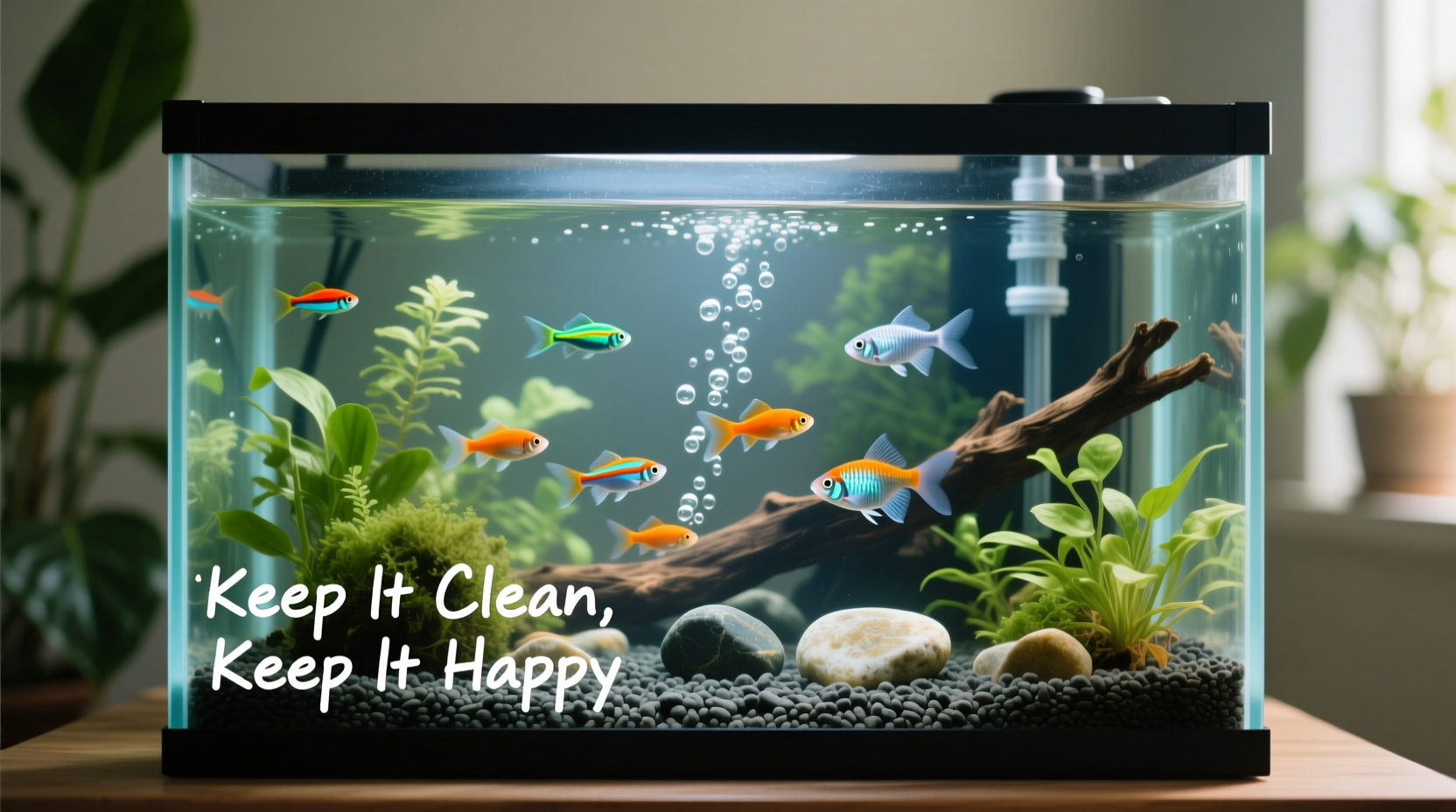
An aquarium is a closed ecosystem where fish, plants, beneficial bacteria, and water chemistry interact dynamically. Disturbing one element—like changing too much water at once or scrubbing every surface—can throw off this delicate balance. Beneficial bacteria living in the filter media and substrate break down harmful ammonia and nitrites. Aggressive cleaning can destroy these colonies, leading to dangerous spikes in toxins.
The goal isn’t sterility but stability. A slightly cloudy tank with thriving plants and calm fish is healthier than a spotless one where fish dart nervously after each maintenance session.
“Stress is the number one cause of illness in aquarium fish. Consistency in water parameters matters more than visual perfection.” — Dr. Lena Torres, Aquatic Veterinarian
Establish a Weekly Maintenance Routine
Prevention beats crisis. A short, consistent weekly routine prevents major issues from developing. Here’s what to do:
- Check water clarity and odor: Cloudy or foul-smelling water signals imbalance.
- Test water parameters: Use a liquid test kit to monitor ammonia, nitrite, nitrate, pH, and temperature.
- Feed only what fish consume in 2–3 minutes: Excess food decays and pollutes water.
- Remove visible debris: Use a siphon or net to pick up uneaten food or dead plant matter.
- Wipe front glass lightly: Algae can be gently removed with a magnetic cleaner.
Master the Art of Partial Water Changes
Water changes are vital—but they must be done correctly. Changing 10–25% of the water weekly is ideal for most tanks. This removes accumulated nitrates and replenishes trace minerals without shocking fish.
Follow this step-by-step process:
- Unplug heaters and filters temporarily.
- Use a gravel vacuum to siphon water from the bottom, stirring up debris without deep disturbance.
- Replace with dechlorinated water matched closely in temperature (within 1–2°F).
- Pour new water slowly onto a plate or into the filter output to minimize turbulence.
- Restart equipment and verify flow and heating.
Never replace more than 50% of the water unless dealing with an emergency like high ammonia levels.
Water Change Guidelines by Tank Size
| Tank Size | Water Changed Weekly | Frequency |
|---|---|---|
| 5–10 gallons | 20–25% | Weekly |
| 20–30 gallons | 15–20% | Weekly |
| 50+ gallons | 10–15% | Weekly or bi-weekly |
Choose the Right Cleaning Tools and Methods
Using inappropriate tools can damage your tank and stress fish. Avoid soap, detergents, or abrasive pads—even residue can be toxic. Stick to aquarium-safe tools:
- Magnetic or sponge algae cleaners for glass
- Gravel vacuums with adjustable suction
- Soft brushes for decorations and rocks
- Dedicated buckets used only for aquarium purposes
When cleaning decorations or artificial plants, rinse them in old tank water removed during water changes. This preserves bacteria and avoids introducing foreign chemicals.
Tip: If algae persist despite regular cleaning, check lighting duration. More than 8 hours per day encourages growth.Filter Care: Do’s and Don’ts
Your filter is the heart of your tank’s biological system. It houses beneficial bacteria critical to water quality. Improper maintenance can crash your cycle.
| Do’s | Don’ts |
|---|---|
| Rinse mechanical media (foam) in old tank water monthly | Never replace all filter media at once |
| Replace chemical media (carbon) every 4 weeks | Don’t use tap water to clean biological media |
| Check flow rate regularly | Don’t disassemble entire filter frequently |
If your filter seems clogged, clean half the media and leave the rest untouched. This maintains bacterial colonies while restoring function.
Real Example: Sarah’s Over-Cleaned 20-Gallon Tank
Sarah loved her betta and neon tetras and wanted everything perfect. Every weekend, she replaced 70% of the water, scrubbed the gravel, cleaned the filter with tap water, and rearranged decorations. Within a month, her fish became lethargic, lost color, and one neon tetra died.
After consulting a local aquarium expert, she learned she was disrupting the nitrogen cycle. She switched to 15% weekly water changes, rinsed the filter in tank water only every other month, and stopped rearranging decor. Within three weeks, her fish regained energy and began schooling again.
Sarah’s story highlights a common misconception: cleanliness means safety. In reality, stability means safety.
Support Natural Balance with Live Plants and Proper Stocking
Nature provides its own cleaning crew. Live plants absorb nitrates, compete with algae for nutrients, and oxygenate the water. Species like java fern, anubias, and hornwort are low-maintenance and thrive in most conditions.
Equally important is avoiding overstocking. Too many fish produce excess waste, overwhelming the biological filtration. Follow the “one inch of fish per gallon” rule as a starting point—but adjust for species. A 10-gallon tank may house five 2-inch tetras, but never a single 6-inch goldfish.
“Live plants and appropriate stocking reduce maintenance needs by up to 40%. They’re nature’s water purifiers.” — Mark Chen, Aquascaping Specialist
Frequently Asked Questions
How often should I clean the tank substrate?
Clean the substrate during weekly water changes using a gravel vacuum. Focus on areas with visible debris, but avoid deep cleaning the entire bed at once. Stirring too much can release trapped hydrogen sulfide gas.
Can I use vinegar to clean my aquarium glass?
Vinegar can be used on glass during full tank cleanouts, but never when fish are present. For routine cleaning, stick to algae pads and magnetic cleaners. If you use vinegar, rinse thoroughly and never let it enter the water column.
Why are my fish hiding after cleaning?
Fish may hide temporarily due to changes in light, movement, or water flow. If they resume normal behavior within a few hours, it’s likely just adjustment. Prolonged hiding suggests water parameter shifts—test for ammonia, nitrite, or pH swings.
Final Checklist for Stress-Free Tank Maintenance
- ✅ Test water weekly (ammonia, nitrite, nitrate, pH)
- ✅ Perform 10–25% water changes weekly with temperature-matched water
- ✅ Clean only part of the filter at a time, using old tank water
- ✅ Remove uneaten food and debris promptly
- ✅ Limit lighting to 6–8 hours daily
- ✅ Avoid rearranging decor frequently
- ✅ Observe fish behavior before and after maintenance
Conclusion
A healthy aquarium isn’t defined by how spotless it looks, but by how vibrant and unstressed its inhabitants are. By focusing on consistency, gentle routines, and ecological balance, you create a sustainable environment where fish thrive naturally. Small, mindful actions—like preserving beneficial bacteria, matching water temperatures, and avoiding over-cleaning—add up to long-term success.
💬 Ready to improve your aquarium care routine? Start with one change this week—whether it’s testing your water or switching to partial filter cleanings—and observe the difference. Share your experiences or questions in the comments below to help build a stronger community of responsible fishkeepers.








