Leash pulling is one of the most common behavioral challenges dog owners face. It turns what should be a relaxing walk into a tug-of-war that strains both body and patience. While many assume dogs pull because they’re stubborn, the truth is simpler: they’ve learned that pulling gets them where they want to go. The good news? This behavior can be reshaped with consistency, positive reinforcement, and the right tools. With proven training methods, you can transform chaotic walks into peaceful outings where your dog walks calmly by your side.
Understanding Why Dogs Pull on the Leash
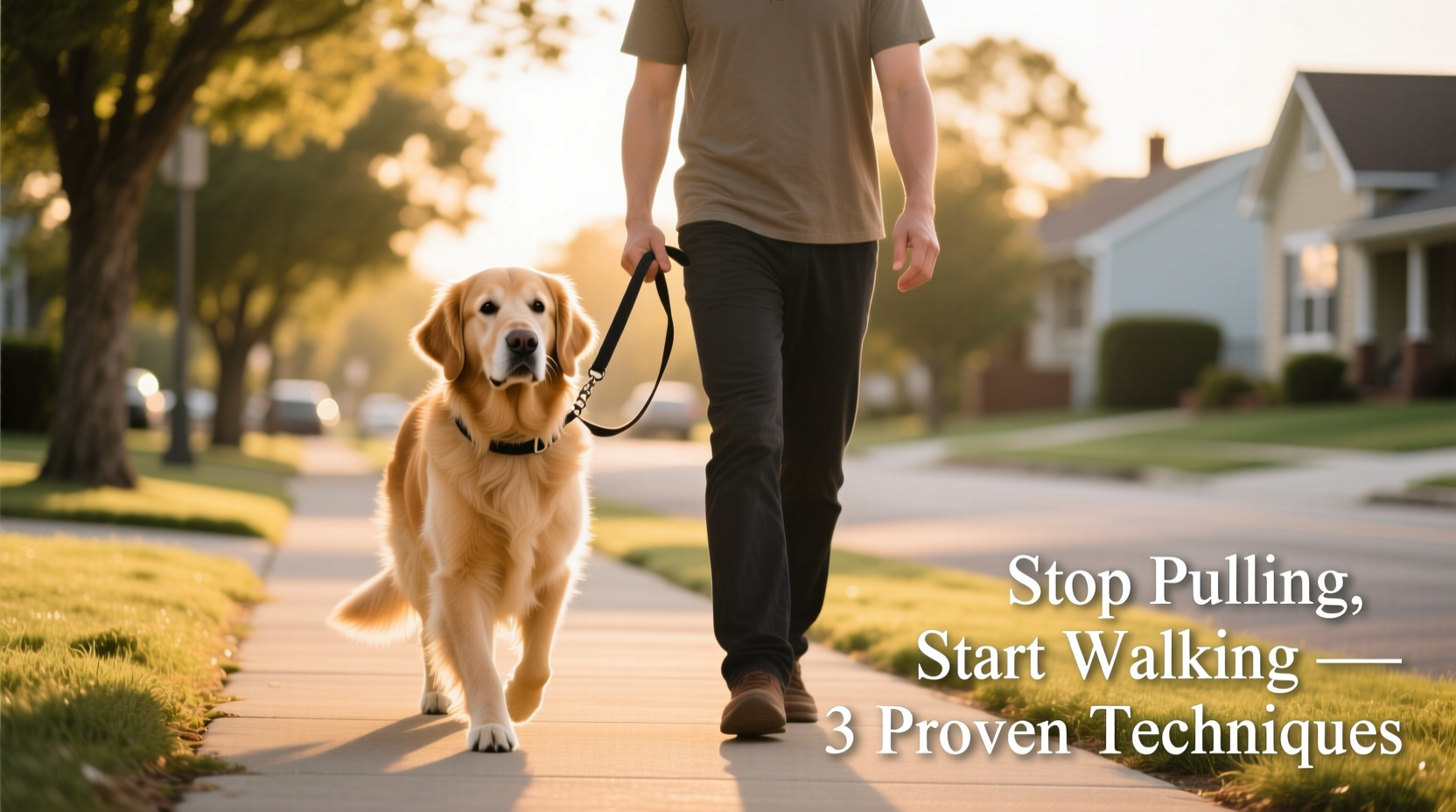
Dogs are naturally curious and eager to explore their environment. When they see something interesting—a squirrel, another dog, or even a rustling leaf—they instinctively move toward it. If they’ve previously been allowed to pull forward during walks, they quickly learn that tension on the leash equals progress. Over time, this becomes a reinforced habit. Additionally, lack of early leash training, overexcitement, or insufficient mental stimulation can exacerbate pulling.
The key is not to punish the dog but to reframe the experience. Instead of moving forward when the leash is tight, your dog must learn that walking calmly beside you leads to rewards and forward motion. This shift requires patience, but the results are lasting and transformative.
Tip: Start training in low-distraction environments like your backyard or quiet driveway before progressing to busier areas.Step-by-Step Training Techniques That Work
Effective leash training isn’t about force—it’s about communication. Below is a structured approach to teaching loose-leash walking using positive reinforcement and clear cues.
- Equip Your Dog Properly: Use a well-fitted harness (front-clip harnesses are ideal) or a head collar if recommended by a trainer. Avoid choke or prong collars unless under professional guidance.
- Teach the “Heel” or “Let’s Go” Cue: Begin in a quiet space. Hold treats at your side and say “Let’s go” as you take a step. Reward your dog immediately for staying close.
- Stop When the Leash Tightens: The moment the leash becomes taut, come to a complete stop. Wait patiently until the leash slackens—even if your dog turns back toward you.
- Change Direction Frequently: If your dog pulls ahead, turn 180 degrees and walk the opposite way. Say your cue word cheerfully. This teaches your dog to stay attentive to your movements.
- Reward Continuously at First: In early sessions, reward every few steps. Gradually increase the number of steps between treats as your dog improves.
- Incorporate Distractions Gradually: Once your dog masters walking near you in quiet areas, slowly introduce distractions like parks or sidewalks.
Consistency is critical. Every walk is a training opportunity. If family members walk the dog, ensure everyone uses the same method to avoid confusing the dog.
Recommended Tools and Equipment Comparison
| Tool | Best For | Pros | Cons |
|---|---|---|---|
| Front-Clip Harness | Dogs that pull strongly | Redirects pulling sideways, reduces strain on neck | May encourage spinning if not trained properly |
| Head Halter (e.g., Gentle Leader) | Dogs with high prey drive or strong will | Offers gentle control over head direction | Requires acclimation; some dogs resist at first |
| Standard Back-Clip Harness | Calm dogs or those already trained | Comfortable, widely available | Can encourage pulling due to opposition reflex |
| No-Pull Leash (Martingale-style) | Moderate pullers | Self-correcting tension, humane | Less effective for very strong dogs |
Real-Life Example: Transforming Max’s Walks
Max, a two-year-old Australian Shepherd, used to drag his owner Sarah down the street so hard she developed shoulder pain. Walks were stressful, and Max would bark at other dogs while lunging forward. Sarah started using a front-clip harness and began short, 10-minute training sessions in her driveway. She used small pieces of chicken to reward Max for staying within 18 inches of her side. Whenever he pulled, she stopped and waited. After three days, Max began checking in with her before moving forward. Within two weeks, they were walking around the block without a single lunge. Six weeks in, Sarah reported that walks had become enjoyable again—Max stayed focused, responded to cues, and even sat automatically at crosswalks.
“Dogs don’t pull to dominate—they pull because we’ve taught them, often unintentionally, that it works. Change the consequence, and the behavior changes.” — Dr. Karen Becker, Veterinary Behaviorist
Common Mistakes to Avoid
- Pulling Back Hard: Yanking the leash teaches your dog to pull harder and can damage their trachea.
- Inconsistency: Letting your dog pull sometimes (e.g., when late) reinforces the behavior.
- Overlooking Excitement Levels: A dog who hasn’t had enough exercise or mental stimulation will be harder to control on walks.
- Neglecting the Power of Sniffing: Denying exploration increases frustration. Allow brief sniff breaks to keep your dog mentally engaged.
- Using Punishment-Based Methods: Yelling or jerking the leash damages trust and increases anxiety.
Checklist: How to Successfully Train Loose-Leash Walking
Your Training Action Plan:- ✅ Choose the right harness or head collar
- ✅ Practice in a distraction-free area first
- ✅ Carry high-value treats (small and soft)
- ✅ Use a consistent verbal cue (“Let’s go,” “Heel,” etc.)
- ✅ Stop walking whenever the leash tightens
- ✅ Reward attention and proximity frequently
- ✅ Gradually increase duration and distractions
- ✅ Keep sessions short (5–10 minutes) and positive
- ✅ Involve all household members in consistent training
- ✅ Celebrate small improvements daily
Frequently Asked Questions
How long does it take to stop a dog from pulling on the leash?
Most dogs show improvement within 2–3 weeks with consistent daily practice. However, deeply ingrained habits may take several months. The timeline depends on the dog’s age, temperament, previous training, and how consistently the technique is applied.
Can older dogs learn not to pull?
Absolutely. Age doesn’t prevent learning. Older dogs may take longer due to established habits, but with patience and positive reinforcement, they can master loose-leash walking just like puppies. The key is consistency and making the new behavior more rewarding than the old one.
Should I use a retractable leash during training?
No. Retractable leashes encourage pulling by allowing dogs to surge forward unchecked. They also pose safety risks. Use a standard 4–6 foot fixed-length leash during training to maintain better control and clearer communication.
Final Thoughts: Enjoying Stress-Free Walks Together
Training your dog not to pull on the leash isn’t just about comfort—it’s about building mutual respect and deepening your bond. Every time your dog chooses to stay by your side instead of charging ahead, it’s a small victory rooted in trust and understanding. These moments add up to walks that feel less like work and more like shared adventure.
Remember, progress isn’t linear. Some days will be better than others. What matters is showing up, staying calm, and reinforcing the behavior you want. With time, your dog will learn that walking politely means more freedom, more fun, and more opportunities to explore the world together.
💬 Ready to transform your walks? Start today with a 5-minute session in your yard. Share your progress or questions in the comments—your journey could inspire another dog owner to begin theirs.








