Walking your dog should be a relaxing, enjoyable experience for both of you. Yet, many dog owners struggle with constant pulling, tugging, and chaos during walks. A dog that pulls on the leash doesn’t just make the walk exhausting—it can also lead to injuries, strained relationships, and public embarrassment. The good news is that calm leash walking is a skill that can be taught at any age, regardless of breed or past habits. With patience, consistency, and the right techniques, you can transform chaotic walks into peaceful, rewarding outings.
Understanding Why Dogs Pull
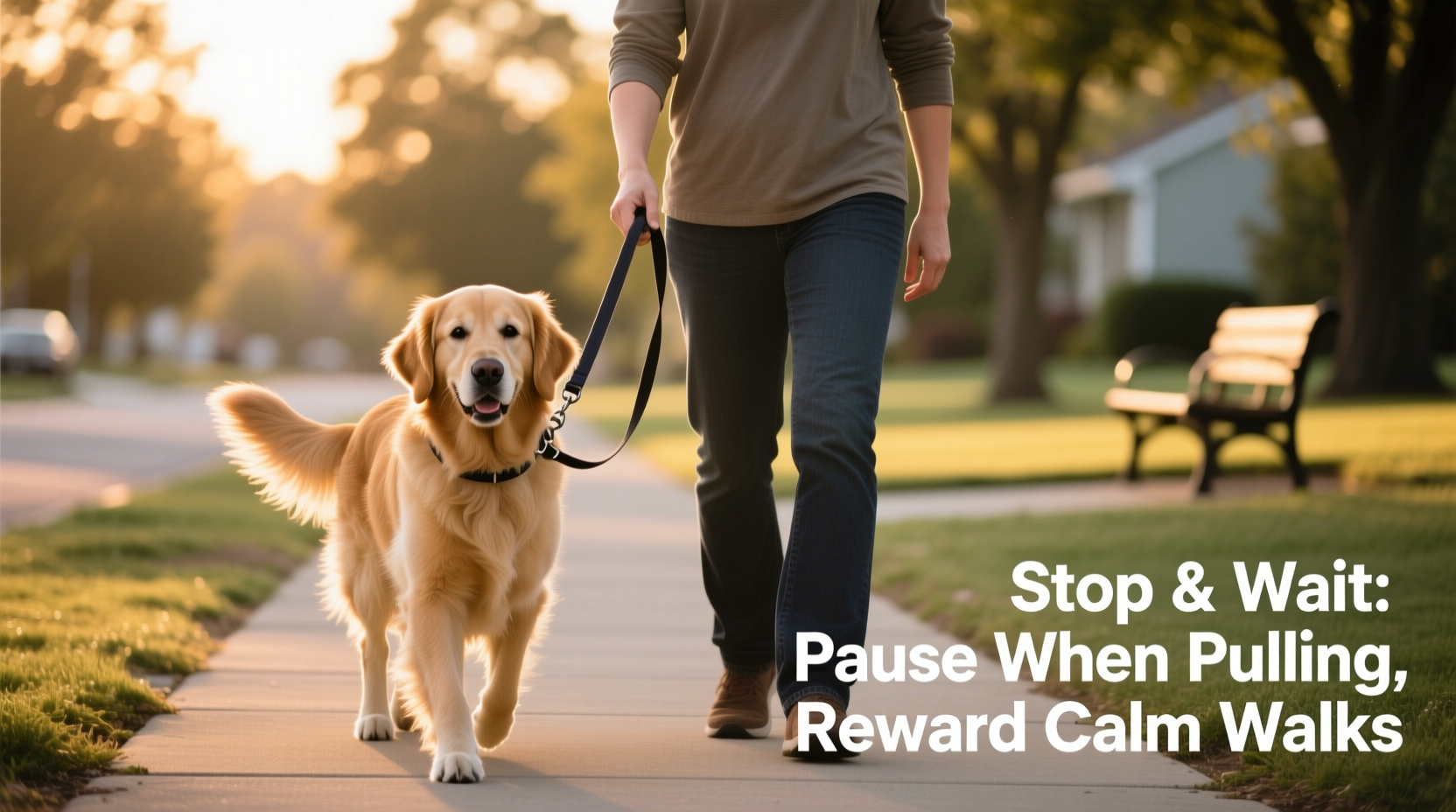
Dogs are naturally curious and energetic. When they sense movement, smells, or other animals, their instinct is to move toward them quickly. Leash pulling often stems from excitement, lack of training, or learned behavior—if pulling gets them where they want to go faster, they’ll keep doing it. Some dogs also pull due to anxiety or overstimulation in busy environments.
Traditional correction-based tools like choke chains or prong collars may suppress pulling temporarily but often increase fear or aggression. Modern, science-backed training emphasizes positive reinforcement and redirection, which build trust and long-term behavioral change.
“Dogs don’t pull to be dominant—they pull because they’ve been reinforced for it, even unintentionally. Every time your dog moves forward while pulling, they’re rewarded with progress.” — Dr. Sophia Yin, Veterinary Behaviorist
Step-by-Step Guide to Teaching Loose-Leash Walking
Teaching your dog to walk without pulling requires structured practice in low-distraction environments before progressing to more challenging settings. Follow this timeline to build reliable behavior:
- Start in a Quiet Space: Begin indoors or in a fenced yard with minimal distractions. Use a standard 4–6 foot leash (avoid retractables).
- Introduce the “Heel” Position: Hold treats near your leg and reward your dog for staying close to your side. Say a cue like “let’s go” or “with me” as you begin walking.
- Stop When They Pull: The moment the leash tightens, stop moving. Stand still. Wait patiently until the leash loosens—even if your dog just takes a small step back—then mark (“yes!”) and reward.
- Turn and Change Direction: If your dog continues to surge ahead, turn 180 degrees and walk the opposite way. Reward them when they catch up and walk beside you.
- Increase Duration Gradually: Build up the number of steps taken without pulling—from three steps to ten, then twenty. Practice daily for 5–10 minutes.
- Add Distractions Slowly: Once your dog masters walking calmly in quiet areas, move to sidewalks, parks, or streets with light foot traffic.
Essential Tools and Equipment
The right gear can make a significant difference in your training success. Not all harnesses and collars are created equal—some encourage pulling, while others support proper technique.
| Tool | Best For | Why It Helps | Caution |
|---|---|---|---|
| Front-Clip Harness | Dogs who pull strongly | Redirects dog’s momentum when they pull, turning them back toward you | Avoid back-clip harnesses—they can encourage pulling |
| Head Halter (e.g., Gentle Leader) | Dogs with high prey drive or reactivity | Provides gentle control over the head, reducing lunging | Requires gradual acclimation; not suitable for all dogs |
| Standard Flat Collar | Well-trained dogs with mild pulling | Suitable for dogs already walking nicely | Not ideal for strong pullers—can cause tracheal damage |
| Treat Pouch | All training stages | Keeps rewards accessible without fumbling | Use high-value treats like chicken or cheese for motivation |
Common Mistakes That Undermine Progress
Even well-intentioned owners can accidentally reinforce pulling. Recognizing these pitfalls helps avoid setbacks:
- Moving Forward When the Leash Is Tight: This teaches your dog that pulling works. Always wait for slack before continuing.
- Inconsistent Reinforcement: Rewarding calm walking sometimes but allowing pulling at other times confuses your dog.
- Using Punishment: Yanking, yelling, or jerking the leash damages trust and can increase anxiety-driven pulling.
- Training in High-Distraction Areas Too Soon: Expecting focus in a dog park when your dog hasn’t mastered basics at home sets both of you up for failure.
- Long, Infrequent Sessions: Daily 5-minute sessions are far more effective than one 30-minute weekly attempt.
Real-Life Example: Transforming Max the Labrador
Max, a two-year-old Labrador Retriever, used to drag his owner down the street, often causing her to lose balance. Walks were stressful, and she dreaded taking him outside. After consulting a certified trainer, she began using a front-clip harness and started training in her driveway.
For the first week, she practiced only five steps forward with pauses for treats whenever Max stayed by her side. When he pulled, she stopped and waited. Within ten days, Max walked ten feet without pulling. By week four, they were navigating neighborhood sidewalks with occasional distractions. After six weeks of daily practice, Max walks calmly on a loose leash through moderate foot traffic. His owner now enjoys their walks—and so does Max.
Checklist for Successful Leash Training
Use this checklist to ensure you're setting yourself and your dog up for success:
- ✅ Choose a front-clip harness or head halter if needed
- ✅ Use small, high-value treats during training
- ✅ Train in low-distraction areas first
- ✅ Stop immediately when the leash tightens
- ✅ Reward frequently for attention and proximity
- ✅ Practice multiple short sessions per week
- ✅ Gradually increase distance and distractions
- ✅ Stay patient and avoid punishment-based corrections
Frequently Asked Questions
How long does it take to teach a dog not to pull?
Most dogs show improvement within 2–4 weeks of consistent training. However, full mastery in varied environments can take several months. Older dogs or those with strong pulling habits may require more time, but progress is always possible with patience.
Can I use clicker training for loose-leash walking?
Yes. Clicker training is highly effective. Click the moment your dog walks beside you with a loose leash, then deliver a treat. This precise timing helps your dog understand exactly which behavior earns a reward.
What if my dog only pulls in certain places?
Dogs often pull more in stimulating environments like parks or near other dogs. This indicates your dog isn’t ready for that level of distraction yet. Return to easier settings, reinforce calm walking, and gradually reintroduce challenging locations as skills improve.
Conclusion: Building a Better Walk, One Step at a Time
Teaching your dog to walk calmly on a leash is one of the most impactful things you can do for their behavior and your shared quality of life. It strengthens your bond, reduces stress, and makes every outing safer and more enjoyable. There are no shortcuts—only consistency, kindness, and repetition. Celebrate small victories: the first time your dog checks in with you unprompted, the first block walked without a single pull, the first relaxed stroll through the park.
💬 Have a success story or challenge with leash training? Share your experience in the comments—your insights could help another dog owner find their stride.








