Leash biting and tugging are among the most common behavioral challenges faced by dog owners, especially during walks. While these behaviors may seem playful or harmless at first, they can quickly escalate into control issues, safety risks, and frustration for both dog and handler. The good news is that with consistent training, proper tools, and a clear understanding of canine behavior, these habits can be corrected. This guide outlines practical, science-backed strategies to help you regain control and enjoy peaceful, enjoyable walks with your dog.
Understanding Why Dogs Bite and Tug the Leash
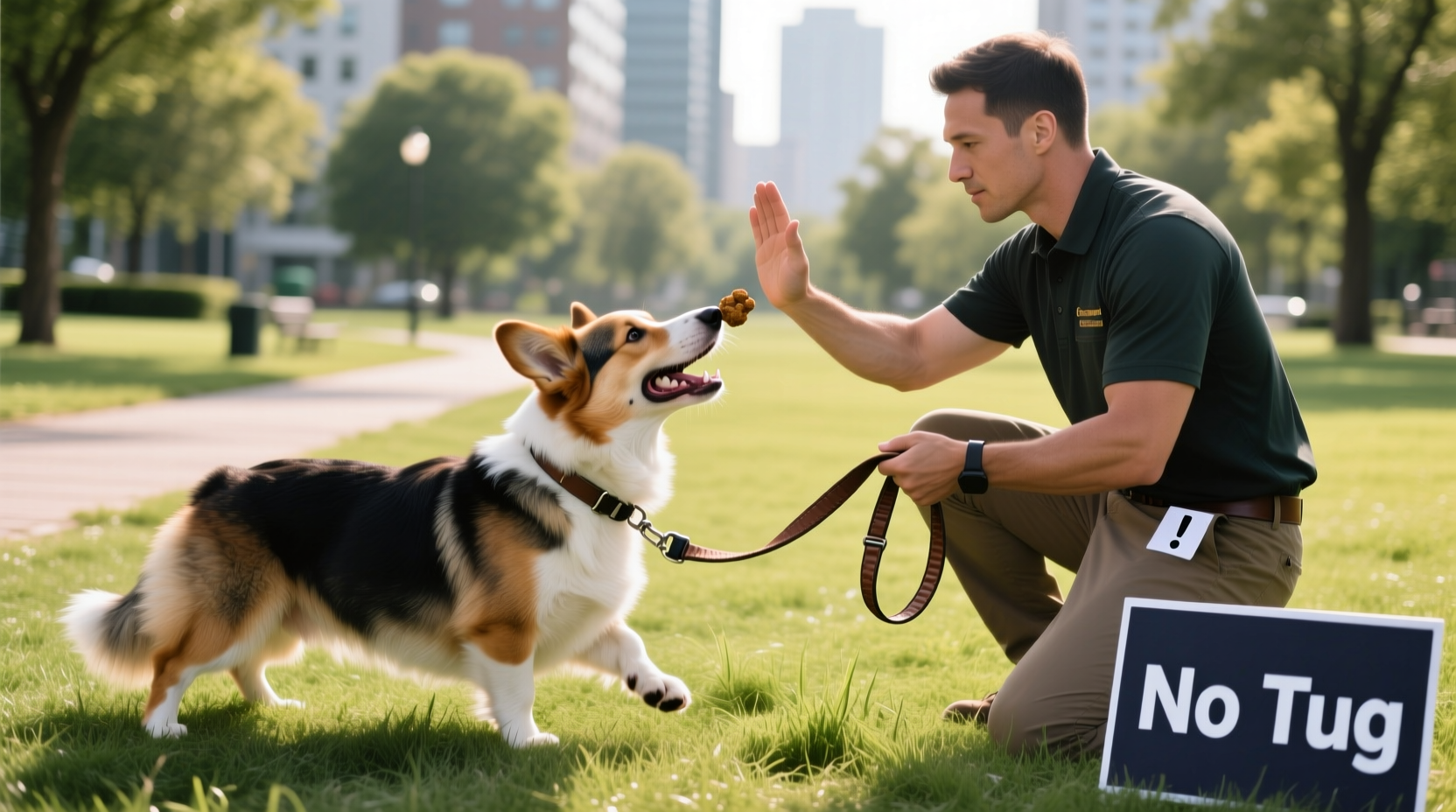
Dogs don’t bite or tug their leashes out of defiance—they do so because of instinct, excitement, or lack of training. Puppies often mouth objects as part of natural exploration, while adult dogs may pull due to anticipation, fear, or overstimulation. Common triggers include:
- Excitement: High arousal levels when seeing other dogs, people, or squirrels.
- Teething: Puppies chew to relieve gum discomfort.
- Attention-seeking: Biting the leash gets a reaction, reinforcing the behavior.
- Lack of training: No prior instruction on loose-leash walking.
- Fear or anxiety: Pulling away from perceived threats.
Addressing the root cause is essential. Simply punishing the behavior without teaching an alternative will not yield lasting results.
Tip: Always carry high-value treats (like small pieces of chicken or cheese) during training walks to reward calm behavior immediately.Step-by-Step Training to Stop Leash Biting and Pulling
Consistency and positive reinforcement are the cornerstones of effective leash training. Follow this structured timeline to build better walking habits:
- Start Indoors: Practice in a distraction-free environment. Use a short leash and walk slowly. Reward your dog every few steps for walking beside you without mouthing the leash.
- Introduce the “Leave It” Command: Hold a treat in a closed fist near your dog’s nose. When they stop trying to get it, say “leave it” and reward with a different treat. Repeat until they respond reliably.
- Add Movement: Begin walking indoors while using “leave it” when the leash comes near their mouth. Reward compliance instantly.
- Move to Low-Distraction Outdoors: Choose a quiet driveway or yard. Walk short distances, stopping whenever pulling or biting occurs. Wait for slack in the leash before continuing.
- Incorporate Direction Changes: If your dog pulls ahead, abruptly change direction. This teaches them to pay attention to your movements.
- Gradually Increase Difficulty: Progress to busier sidewalks, parks, and areas with distractions, always rewarding calm behavior.
This process typically takes 3–6 weeks with daily 10–15 minute sessions. Patience is key—each dog learns at their own pace.
Essential Tools and Equipment
The right gear can make a significant difference in managing leash behavior. Not all collars and harnesses are created equal, and some may even worsen pulling.
| Equipment | Best For | Caution |
|---|---|---|
| Front-Clip Harness | Dogs that pull strongly; redirects movement | Avoid back-clip harnesses for strong pullers |
| Head Halter (e.g., Gentle Leader) | Dogs easily distracted or reactive | Requires gradual introduction; not for unsupervised use |
| Standard Flat Collar | Well-trained dogs with no pulling issues | Can cause tracheal damage if used with force |
| No-Pull Leash (Dual-Attachment) | Extra control with front and back clips | Must be properly fitted and used with training |
Never use choke chains, prong collars, or shock collars as primary tools—they suppress behavior through pain and can damage trust.
Real-Life Example: Transforming a Reactive Puppy
Meet Max, a 6-month-old Australian Shepherd adopted from a shelter. Max loved walks but would lunge at bicycles, bark at other dogs, and chew his leash incessantly. His owner, Sarah, was frustrated and embarrassed.
She began with indoor “leave it” drills and used a front-clip harness to reduce pulling. During walks, she carried boiled chicken and practiced changing direction whenever Max lunged. If he bit the leash, she stopped moving and waited for him to release it before proceeding. Over three weeks, Max learned that calm behavior led to forward motion and treats, while reactivity resulted in pauses.
By week five, Max walked calmly past bikes and other dogs. The leash chewing decreased significantly once he associated the leash with structure and rewards rather than chaos.
“Dogs don’t pull to dominate—they pull because pulling works. Your job is to make calmness more rewarding.” — Dr. Karen Overall, Veterinary Behaviorist
Do’s and Don’ts: Quick Reference Checklist
Checklist: What to Do (and Avoid) When Addressing Leash Biting- ✅ Do use high-value treats to reinforce desired behavior.
- ✅ Do practice short, frequent training sessions.
- ✅ Do remain calm and consistent—even when frustrated.
- ✅ Do use a front-clip harness or head halter if needed.
- ❌ Don’t yank the leash or shout “no” repeatedly.
- ❌ Don’t allow leash biting during play or feeding.
- ❌ Don’t skip foundational training to rush into outdoor walks.
- ❌ Don’t expect overnight results—behavior change takes time.
Frequently Asked Questions
Why does my dog only bite the leash during walks and not at home?
Dogs often associate the leash with excitement and movement. The act of clipping it on signals adventure, which raises arousal levels. This hyper-arousal can trigger mouthing. To counter this, practice “fake walks”—clip the leash, wait for calm behavior, then unclip and reward without going outside. This reduces over-excitement.
Is it okay to let my puppy chew the leash during training?
No. Even in puppies, leash chewing should be redirected early. Allow chewing on appropriate toys, but use the “leave it” command when the leash is involved. Consistent boundaries now prevent harder-to-break habits later.
How long does it take to stop leash pulling and biting?
Most dogs show improvement within 2–4 weeks of consistent daily training. Full reliability in high-distraction environments may take 2–3 months. Older or previously untrained dogs may require longer, but progress is almost always possible with patience.
Conclusion: Building a Better Walking Experience
Preventing leash biting and tugging isn’t about dominance or punishment—it’s about communication, consistency, and compassion. By understanding your dog’s motivations and teaching them what to do instead of what not to do, you create a partnership built on trust and mutual respect. Every walk becomes an opportunity to reinforce good habits, strengthen your bond, and enjoy the world together.
💬 Ready to transform your walks? Start today with a 10-minute training session in your living room. Share your progress or questions in the comments—your journey can inspire others too.








