Grooming is an essential part of canine care, but many dogs react with anxiety, fear, or resistance when it's time for brushing, nail trimming, or bathing. For pet owners and groomers alike, a struggling dog can turn a routine session into a stressful ordeal. The key to stress-free grooming isn’t force—it’s trust, preparation, and technique. By understanding canine behavior and applying proven calming strategies, you can help your dog stay relaxed and cooperative throughout the process.
Understanding Canine Grooming Anxiety
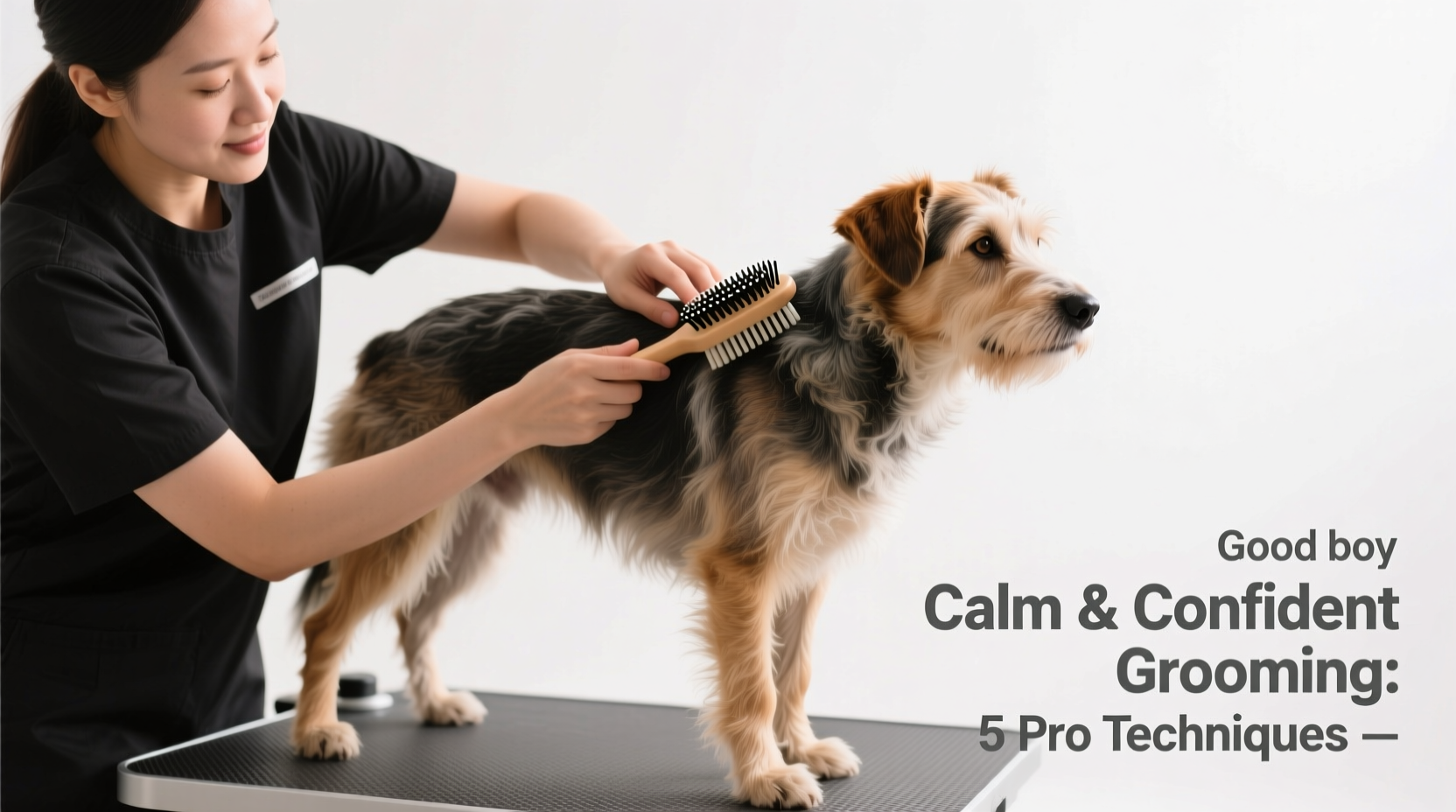
Dogs often resist grooming because certain procedures mimic threatening behaviors from their ancestral instincts. Trimming nails, touching paws, or handling ears can feel invasive if not introduced gradually. Fear can also stem from past negative experiences, loud tools, or unfamiliar environments. Recognizing the signs of stress—panting, trembling, lip licking, or attempting to escape—is the first step in addressing the root cause.
Instead of viewing resistance as disobedience, consider it communication. A dog that pulls away during brushing may be signaling discomfort or fear. Addressing this with empathy and patience builds long-term cooperation.
Tip: Never rush grooming sessions. Start with just one paw or ear and end on a positive note, even if the task isn't complete.Building Trust Through Positive Reinforcement
Positive reinforcement is the cornerstone of stress-free grooming. Dogs respond best when they associate handling with rewards like treats, praise, or play. Begin by touching areas your dog enjoys—like behind the ears—then gradually progress to more sensitive zones such as paws, tail, and belly.
Use high-value treats (small pieces of chicken or cheese) during and immediately after each gentle touch. Pair physical contact with verbal praise to reinforce calm behavior. Over time, your dog will anticipate rewards rather than threats.
Consistency is critical. Practice short “touch training” sessions daily for 3–5 minutes. This desensitization helps your dog become comfortable with being handled before any actual grooming begins.
“Dogs don’t resist grooming because they’re stubborn—they resist because they’re scared. Replace fear with predictability, and cooperation follows.” — Dr. Karen Becker, Integrative Veterinarian
Step-by-Step Guide to Calm Grooming Preparation
Success starts well before the brush comes out. Follow this timeline to prepare your dog for a smooth grooming experience:
- Pre-Grooming Exercise (15–30 minutes before): Take your dog for a walk or play fetch to burn excess energy. A tired dog is more likely to remain calm.
- Introduce Tools Gradually: Let your dog sniff clippers, brushes, and nail trimmers while offering treats. Turn tools on nearby (but not touching) to acclimate them to the sound.
- Practice Handling Positions: Gently place your dog in the position used for grooming (e.g., standing on a non-slip mat). Reward stillness with treats every few seconds.
- Simulate Grooming Motions: Run a dry brush over their coat without pressure. Stop before they react negatively and reward compliance.
- Short Trial Sessions: Perform one small grooming task (e.g., brushing one leg) and end positively—even if incomplete.
Repeat this sequence over several days until your dog shows no signs of tension. Patience here prevents setbacks later.
Effective Techniques to Hold Your Dog Still
Physical restraint should never involve force. Instead, use supportive holds that provide security and prevent sudden movements:
- The Gentle Neck Restraint: Place one hand lightly around the back of the neck, guiding the head upward and slightly toward your body. This subtle pressure discourages pulling away without causing distress.
- Chin Support Hold: For face or ear cleaning, cradle the chin with one hand while supporting the chest with the other. This stabilizes the head and keeps the dog facing forward.
- Paw Cradle Technique: When trimming nails, lift one paw gently and cradle it in your palm. Apply light upward pressure on the pad to extend the claw naturally.
- Towel Wrapping (Burrito Method): For anxious small dogs, wrap them snugly in a towel, leaving only the area being groomed exposed. This mimics swaddling and reduces startle reflexes.
Always maintain a calm tone and pause if your dog tenses up. Resume only when they relax.
| Technique | Best For | Avoid If |
|---|---|---|
| Gentle Neck Restraint | Brushing, ear cleaning | Dog shows neck pain or aggression |
| Chin Support Hold | Face wiping, eye cleaning | Dog has jaw injury or history of biting |
| Paw Cradle | Nail trimming | Paw is injured or infected |
| Towel Wrap | Small or fearful dogs | Dog struggles excessively or overheats easily |
Creating the Ideal Grooming Environment
Location matters. Choose a quiet, well-lit room with minimal distractions. Use a non-slip surface like a rubber mat to prevent slipping, which can increase fear. Keep all tools within reach so you don’t have to leave your dog mid-session.
Consider ambient factors:
- Noise: Avoid loud clippers near sensitive dogs. Opt for low-decibel models or introduce noise gradually.
- Scent: Strong shampoos or perfumes can overwhelm. Use unscented or pheromone-infused products (like Adaptil) to promote relaxation.
- Timing: Schedule grooming after meals or walks when your dog is naturally calmer.
Mini Case Study: Transforming Max’s Grooming Experience
Max, a 3-year-old Shih Tzu, would bark, tremble, and attempt to flee whenever his owner brought out the brush. Previous grooming attempts had resulted in accidental tugs and clipped skin, reinforcing his fear. His owner began a two-week desensitization plan: daily 4-minute sessions where she touched his paws and legs while giving chicken treats. She introduced the brush silently at first, then ran it slowly over his back without pressure. After five sessions, Max allowed full brushing for 10 minutes with breaks and rewards. Within three weeks, grooming became a peaceful ritual—no treats needed beyond occasional praise.
Essential Grooming Checklist
Before each session, ensure you’re fully prepared:
- ✅ Gather all tools: brush, comb, clippers, nail trimmer, shampoo, towels
- ✅ Choose a quiet, safe space with non-slip flooring
- ✅ Offer a pre-grooming potty break
- ✅ Have high-value treats ready
- ✅ Check for mats, cuts, or skin irritation before starting
- ✅ Plan for short sessions—start with 5–10 minutes
- ✅ Stay calm and speak in a soothing voice throughout
Frequently Asked Questions
How do I stop my dog from moving during nail trims?
Begin by touching each paw daily with a treat reward. Use the paw cradle hold and press gently on the pad to extend the nail. Trim one nail per day if needed. If your dog resists, stop and return later—never force the clip.
Can I sedate my dog for grooming?
Over-the-counter calming supplements (like melatonin or CBD oil) may help mild cases, but consult your vet first. Prescription sedation should only be used under veterinary supervision and is not a substitute for behavioral training.
My dog hates the hair dryer. What can I do?
Start with the dryer off—let your dog sniff it while getting treats. Then turn it on at a distance, gradually decreasing space over multiple sessions. Use the cool setting and aim away from the face. Alternatively, towel-dry thoroughly and let your dog air-dry in a warm room.
Conclusion: Turning Grooming Into Bonding Time
Stress-free grooming isn’t about control—it’s about connection. When dogs learn that grooming means safety, attention, and rewards, they stop resisting and start participating. The techniques outlined here require patience and consistency, but the payoff is immense: fewer injuries, better hygiene, and a deeper bond between you and your dog.
💬 Ready to transform your grooming routine? Start tonight with a 3-minute touch session and a handful of treats. Share your progress or tips in the comments—your experience could help another dog parent find peace at the brush!








