
Many dogs experience anxiety when faced with grooming, whether due to unfamiliar environments, loud clippers, or past negative experiences. For pet owners and groomers alike, managing this anxiety is essential—not only for the dog’s comfort but also for safety and efficiency. A stressed dog may become reactive, making grooming difficult or even dangerous. The good news is that with thoughtful preparation and consistent techniques, most dogs can learn to tolerate—and even relax during—grooming sessions. This guide explores proven strategies to help your dog feel secure, confident, and calm before and during grooming.
Understanding Canine Grooming Anxiety
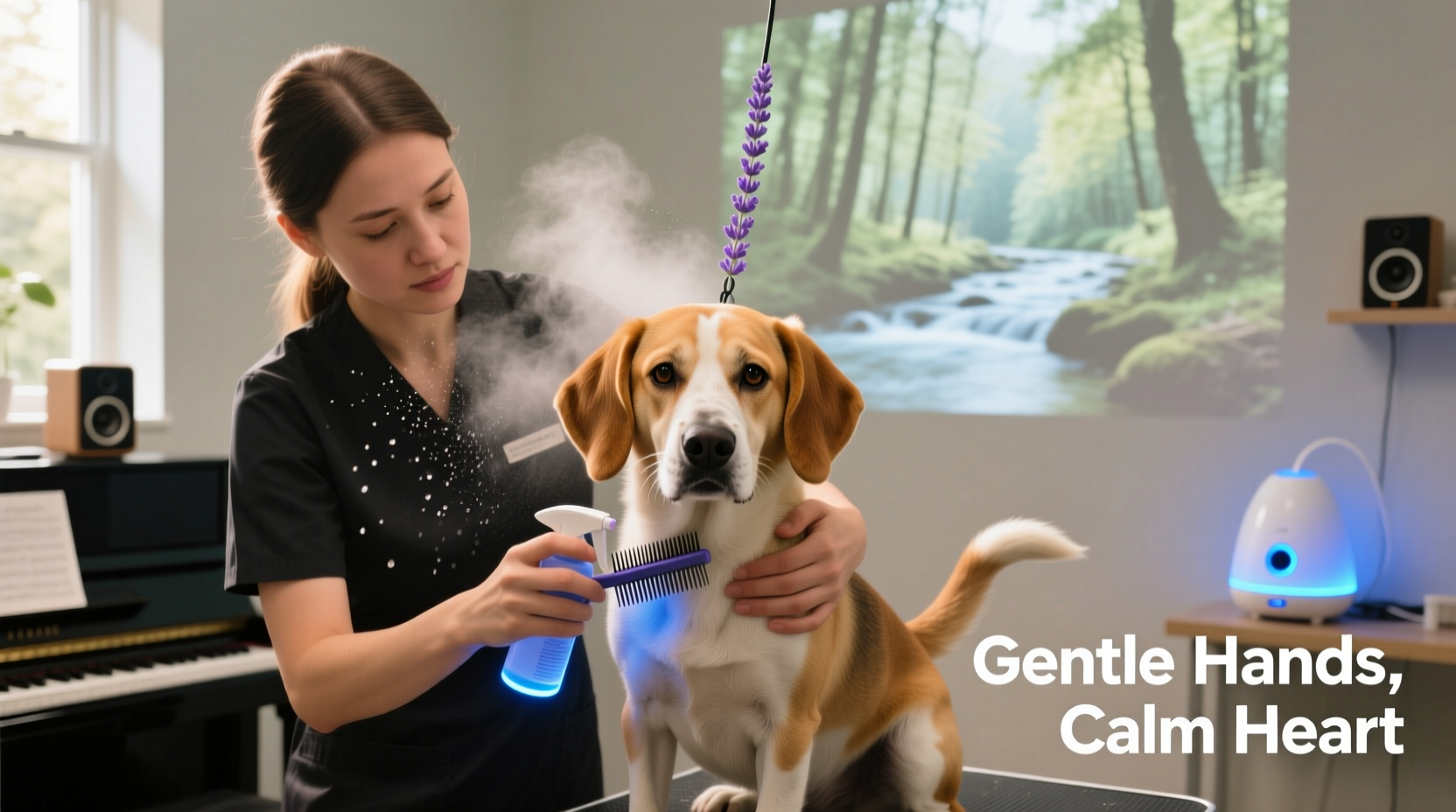
Dogs don’t inherently fear grooming; their anxiety usually stems from confusion, lack of control, or previous discomfort. Common triggers include the sound of clippers, restraint, handling of sensitive areas (like paws or ears), and separation from their owner in a busy salon. Some breeds, such as Shih Tzus or Poodles, require frequent grooming, increasing exposure to potential stressors. Recognizing the signs of anxiety—panting, trembling, lip licking, growling, or attempts to escape—is the first step toward intervention.
It's important to differentiate between mild nervousness and deep-seated fear. Mild anxiety can often be managed with desensitization and positive reinforcement, while severe cases may benefit from consultation with a veterinary behaviorist.
Tip: Observe your dog’s body language closely before grooming begins. Early signs of stress are easier to address than full-blown panic.Step-by-Step Desensitization at Home
One of the most effective ways to reduce grooming anxiety is gradual desensitization in a familiar environment. This process involves exposing your dog to grooming tools and procedures in small, non-threatening increments, paired with high-value rewards.
- Introduce Tools Gradually: Let your dog sniff clippers, brushes, and nail trimmers while turned off. Reward curiosity with treats.
- Simulate Grooming Actions: Gently touch paws, ears, and tail daily, mimicking grooming motions. Always follow with praise or a treat.
- Use Sound Exposure: Play recordings of clippers at low volume while your dog eats or plays. Gradually increase volume over days.
- Practice Restraint: Briefly hold your dog in grooming positions (e.g., on a table) with treats to build tolerance.
- Mock Sessions: Run a “practice groom” weekly, using real tools without actual cutting or clipping.
Consistency is key. Over several weeks, this method helps your dog associate grooming tools and actions with positive outcomes rather than fear.
Create a Calming Pre-Grooming Routine
What happens in the 30 minutes before grooming can significantly impact your dog’s emotional state. A structured pre-grooming routine signals safety and predictability.
- Ensure your dog has had sufficient physical exercise and mental stimulation earlier in the day to reduce baseline anxiety.
- Avoid feeding large meals right before grooming to prevent discomfort.
- Use calming aids such as pheromone sprays (Adaptil) or a snug-fitting anxiety wrap (Thundershirt) if needed.
- Play soft music or white noise to mask sudden sounds in the grooming area.
“Dogs thrive on routine. When grooming becomes part of a predictable, reward-based sequence, resistance decreases dramatically.” — Dr. Laura Simmons, Certified Veterinary Behaviorist
Professional Grooming: Choosing the Right Environment
Not all grooming salons are created equal when it comes to handling anxious dogs. The choice of facility can make or break your dog’s experience.
| Do’s | Don’ts |
|---|---|
| Choose salons that allow meet-and-greet visits | Assume all groomers are trained in canine behavior |
| Look for quiet, low-traffic grooming areas | Select facilities that sedate dogs routinely |
| Ask about staff certifications in animal handling | Leave a highly anxious dog unattended during drop-off |
| Request hand-scissoring instead of clippers if noise is an issue | Ignore your dog’s history of trauma or reactivity |
If possible, schedule appointments during off-peak hours to minimize noise and distractions. Some groomers specialize in fear-free techniques and use force-free handling methods, which are ideal for sensitive dogs.
Mini Case Study: Helping Bella the Rescue Beagle
Bella, a 3-year-old Beagle rescued from a hoarding situation, exhibited extreme fear around grooming tools. Her owner reported she would cower and tremble at the sight of a brush. A tailored plan was implemented over six weeks:
- Weeks 1–2: Bella was taught to target a mat where grooming would occur, earning treats for stepping onto it.
- Weeks 3–4: Brushes were introduced near the mat; touching them earned kibble rewards.
- Weeks 5–6: Light brushing began on her back—only two strokes at first, followed by high-value chicken treats.
By week seven, Bella allowed a full brushing session lasting five minutes. She still tenses slightly at the sound of clippers, but now approaches the grooming area willingly. This case illustrates how patience, consistency, and positive reinforcement can transform a fearful dog’s experience.
Checklist: Preparing Your Dog for a Stress-Free Groom
Pre-Grooming Preparation Checklist:
- ✅ Conduct short grooming simulations at home weekly
- ✅ Introduce all tools with treats and praise
- ✅ Exercise your dog before the appointment
- ✅ Use calming pheromones or wraps if needed
- ✅ Choose a groomer experienced with anxious dogs
- ✅ Schedule appointments during quiet times
- ✅ Bring your dog’s favorite treats or toy for comfort
Frequently Asked Questions
Can I sedate my dog for grooming?
While over-the-counter calming supplements (like melatonin or CBD) may help mild cases, prescription sedation should only be used under veterinary guidance. Sedation masks anxiety rather than addressing its cause and can impair coordination or thermoregulation. Behavioral training is a safer long-term solution.
How long does it take to desensitize a nervous dog?
Time varies by dog. Some show improvement in 2–3 weeks; others with deep-seated fears may need 2–3 months of consistent effort. Progress should be measured in small wins—like allowing a paw to be touched—rather than full grooming compliance.
What if my dog bites during grooming?
Biting is a sign of extreme fear or pain. Never punish a dog for biting out of fear. Instead, stop the procedure, reassess the approach, and consult a professional trainer or behaviorist. Muzzles, if introduced positively, can be a safe tool to prevent injury while building trust.
Conclusion: Building Confidence One Brush Stroke at a Time
Calming a nervous dog before grooming isn’t about quick fixes—it’s about building trust, reducing fear, and creating positive associations over time. Whether you're a pet owner preparing for a salon visit or grooming at home, the techniques outlined here can transform a stressful ordeal into a manageable, even bonding, experience. Start small, remain patient, and celebrate every step forward. With consistency, most dogs can learn to accept grooming as a normal part of life.
💬 Have a success story or tip for calming a nervous dog? Share your experience in the comments to help fellow pet lovers create more peaceful grooming routines.








