Cat owners know that a well-groomed coat is more than just aesthetic—it’s a sign of good health and comfort. But when tangles turn into mats, grooming can quickly become a source of anxiety for both the cat and the caregiver. Matted fur isn���t just unsightly; it can pull on the skin, trap moisture, and lead to infections if left untreated. The key is addressing mats with patience, the right tools, and a calm approach that prioritizes your cat’s emotional and physical well-being.
Many cat owners instinctively reach for scissors or try aggressive brushing, but these actions often cause pain or panic. Instead, effective mat removal requires understanding feline behavior, knowing when to intervene gently, and recognizing when professional help is needed. With the right techniques, even severely matted cats can be cared for safely—without trauma.
Understanding Cat Matting: Causes and Risks
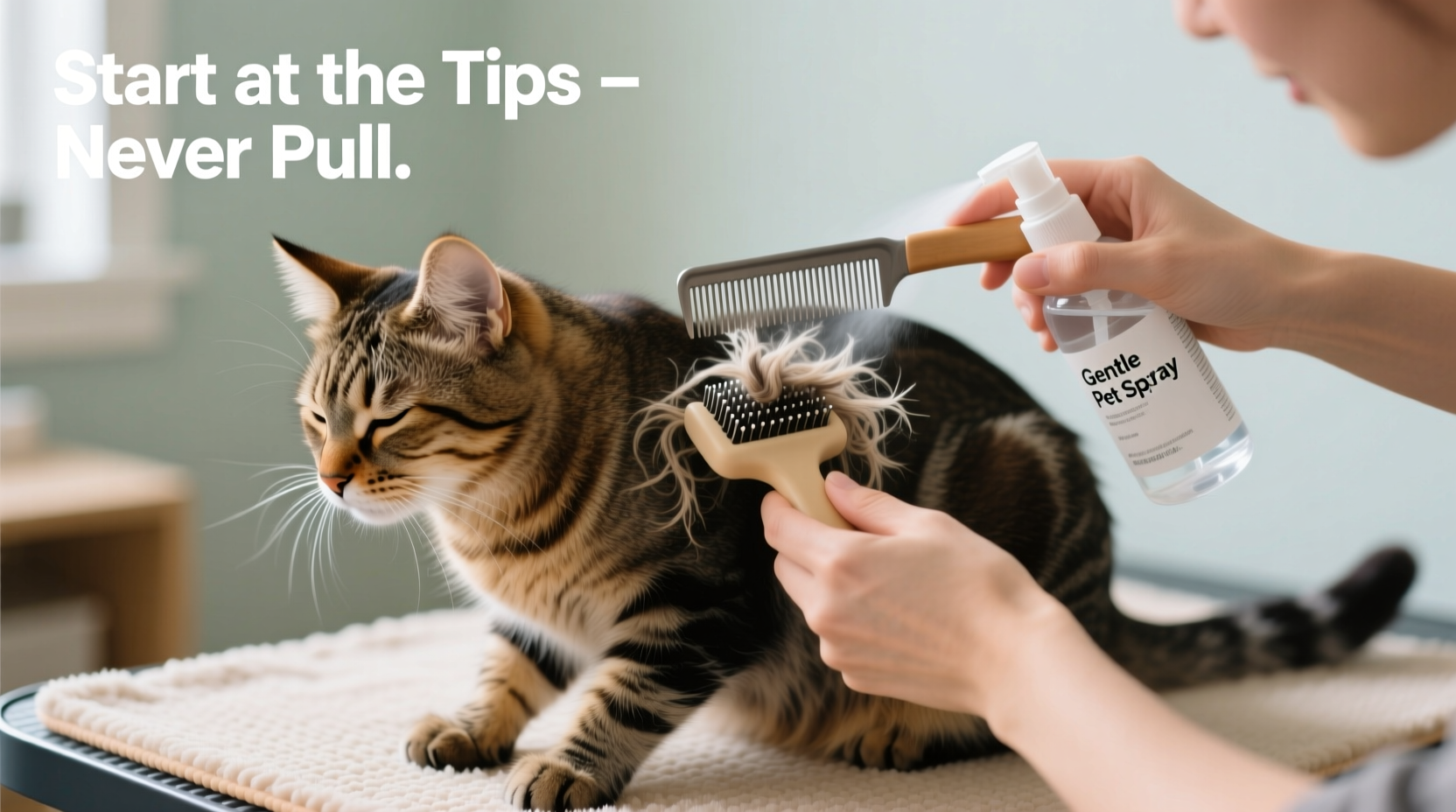
Mats form when loose fur tangles with itself and compacts against the skin. Long-haired breeds like Persians, Maine Coons, and Ragdolls are especially prone, but short-haired cats can develop localized mats behind the ears, under the legs, or along the back. Common causes include:
- Lack of regular grooming: Cats who aren’t brushed frequently accumulate dead hair.
- Obesity or mobility issues: Overweight or arthritic cats may struggle to groom themselves properly.
- High humidity or dampness: Moisture from spills, rain, or licking can bind fur together.
- Stress or illness: Sick or anxious cats often neglect self-grooming.
If ignored, mats can tighten over time, pressing on the skin and creating pressure sores. They also trap bacteria, urine, and feces near the body, increasing the risk of skin infections and urinary complications. In severe cases, mats can restrict movement or even cut off circulation in extremities.
“Mats are not just a grooming issue—they’re a welfare concern. A heavily matted cat is often in discomfort and needs compassionate intervention.” — Dr. Lena Patel, Feline Veterinarian & Behavior Specialist
Step-by-Step Guide to Safely Remove Mats at Home
Not all mats require shaving or sedation. Small, loose tangles can often be resolved at home with care and consistency. Follow this timeline-based method to reduce stress and prevent injury:
- Assess the severity: Examine each mat. If it’s smaller than a quarter and not touching the skin tightly, it may be removable at home. Larger, tight, or skin-adhered mats should be evaluated by a professional.
- Choose a calm environment: Pick a quiet room with minimal distractions. Use a non-slip surface like a rubber bath mat on a counter.
- Gather the right tools: Use a wide-tooth comb, dematting tool (not a blade), slicker brush, and treats. Never use scissors near the skin.
- Begin with short sessions: Work in 5–10 minute intervals. Stop if your cat shows signs of stress—flattened ears, tail flicking, growling.
- Loosen from the base: Hold the fur below the mat to relieve tension on the skin. Gently work from the outer edge inward using the comb.
- Apply a detangling spray: A pet-safe, water-based detangler can lubricate knots and reduce friction. Avoid oily products that attract dirt.
- Work in layers: Don’t force it. Break larger mats into smaller sections over multiple sessions.
- Reward calm behavior: Offer treats and praise between attempts to build positive associations.
Do’s and Don’ts of Mat Removal
| Do’s | Don’ts |
|---|---|
| Use a proper dematting comb with rounded tips | Never use household scissors to cut out mats |
| Support the skin by holding the base of the mat | Don’t pull or yank on tangled fur |
| Work in small, frequent sessions | Avoid forcing your cat to stay still |
| Moisturize with vet-approved detangler | Don’t shave with human clippers or unguarded blades |
| Consult a vet or groomer for large mats | Don’t punish or scold during grooming |
Real Example: Helping Bella, the Senior Persian
Bella, a 12-year-old Persian, had developed thick mats along her flanks due to arthritis limiting her mobility. Her owner, Sarah, noticed she was grooming less and avoiding being touched. Concerned, Sarah consulted a feline-friendly groomer instead of attempting a full detangle at home.
The groomer assessed Bella’s condition and recommended a two-phase plan: first, a light sanitary trim around sensitive areas to improve hygiene; second, bi-weekly 10-minute brushing sessions using a soft dematter and calming lavender-scented spray. Over six weeks, with consistent at-home care and monthly check-ins, Bella’s coat improved significantly. More importantly, she began seeking out petting again—a sign her comfort had returned.
This case highlights that progress doesn’t require perfection. Even partial improvement enhances quality of life.
When to Seek Professional Help
Some situations demand expert intervention. These include:
- Mats covering more than 30% of the body
- Fur stuck to skin, eyes, or genitals
- Cats showing aggression or extreme fear during handling
- Signs of skin irritation, odor, or infection beneath mats
Professional groomers trained in low-stress handling can safely clip mats using guarded clippers. In severe cases, veterinarians may recommend light sedation to prevent distress. This isn’t failure—it’s responsible care.
Tip: Look for groomers certified by organizations like ISFM (International Society of Feline Medicine) or those advertising “fear-free” practices.Prevention Checklist: Keep Mats from Returning
Once mats are gone, prevention ensures long-term comfort. Follow this daily and weekly checklist:
- Daily: Brush high-risk areas (armpits, belly, behind ears) with a soft slicker brush.
- Weekly: Perform a full-body comb-through with a wide-tooth comb.
- Monthly: Check for early tangles and skin condition changes.
- As needed: Wipe down after meals or spills to prevent food/oil buildup.
- All year: Maintain healthy weight and joint support through diet and vet care.
For senior or disabled cats, consider grooming wipes or vet-recommended sprays to supplement brushing.
FAQ
Can I use human detanglers on my cat?
No. Human products may contain alcohol, fragrances, or chemicals toxic if ingested during self-grooming. Always use pet-safe, veterinary-approved formulas.
Is it okay to shave my cat at home?
Only if you’re experienced and the cat is cooperative. Improper shaving can cause nicks, overheating, or psychological trauma. When in doubt, consult a professional groomer.
How often should I brush a long-haired cat?
Long-haired cats benefit from daily brushing. Even 5 minutes a day prevents tangles from forming. Short-haired cats need weekly attention, especially during shedding seasons.
Conclusion
Grooming a matted cat doesn’t have to mean stress or pain. With patience, the right tools, and an understanding of feline sensitivity, you can restore your cat’s coat—and comfort—safely. Remember, every cat is different. Some respond to gentle touch; others need gradual desensitization. The goal isn’t just a tangle-free coat, but a trusting relationship built on care and respect.
💬 Have a grooming tip that worked for your cat? Share your experience in the comments and help other pet owners provide kinder, smarter care.








