
Dog owners know that a curious pup with access to electrical cords is a recipe for disaster. Beyond the risk of electrocution, chewed cables mean damaged electronics, fire hazards, and costly replacements. While chewing is a natural behavior—especially in puppies exploring their world—it becomes dangerous when directed at wires. The good news: with consistency, proper training, and environmental management, you can teach your dog to leave cables alone for good.
The key isn’t punishment but redirection, reinforcement, and prevention. Dogs don’t chew cables out of spite; they do it due to boredom, teething discomfort, anxiety, or lack of appropriate chew alternatives. Addressing the root cause while guiding your dog toward acceptable behaviors ensures long-term success without compromising trust or safety.
Understand Why Dogs Chew Cables
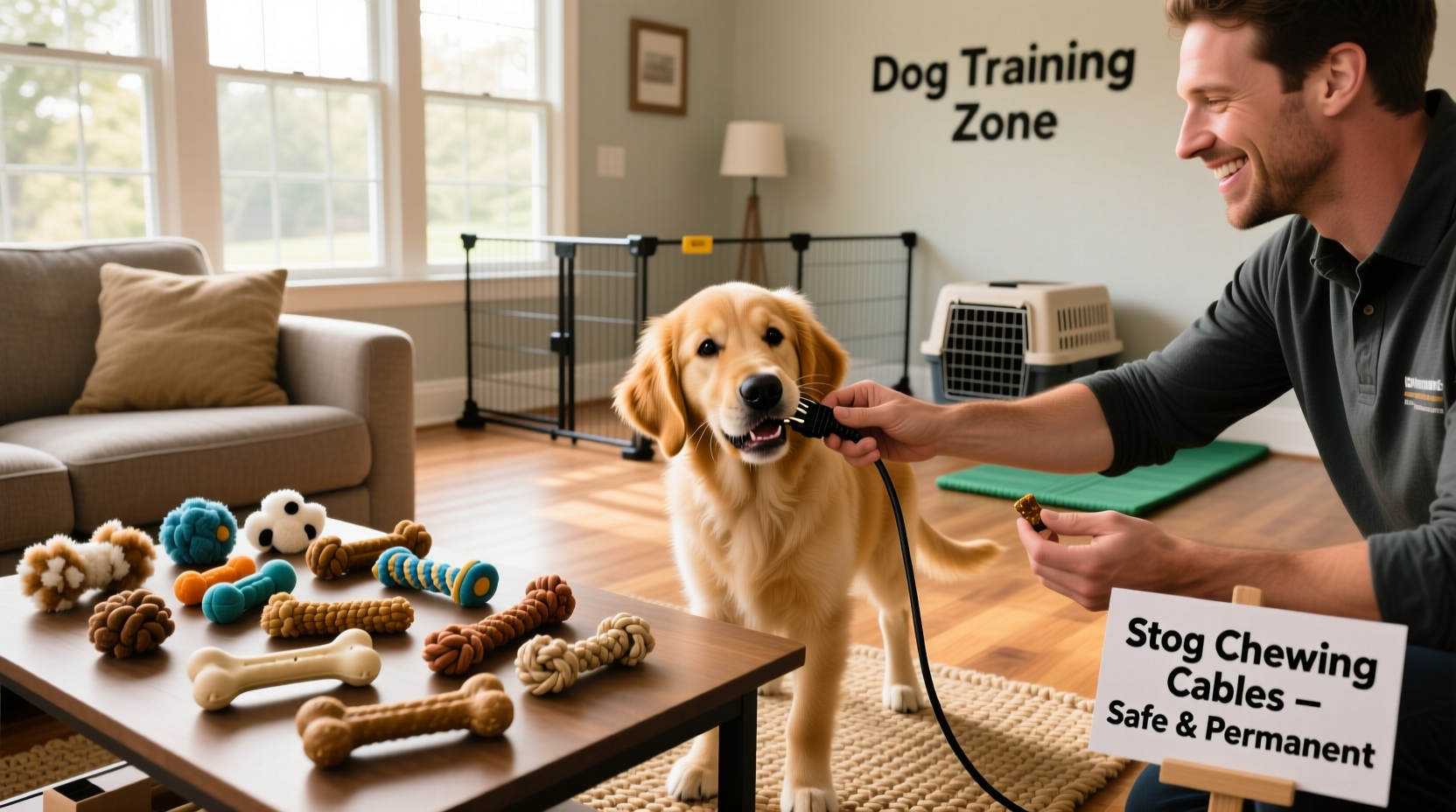
Before implementing solutions, it’s essential to understand what drives the behavior. Puppies between 3 and 6 months old are especially prone to chewing as their adult teeth emerge. But adult dogs may also chew due to stress, understimulation, or learned habits.
- Teething pain: Young dogs seek relief by gnawing on objects.
- Boredom: A dog left alone without toys or activity will find its own entertainment.
- Anxiety: Separation or noise-related stress can trigger destructive chewing.
- Exploration: Dogs use their mouths to investigate new textures and scents.
- Lack of training: If a dog has never been taught what is off-limits, it assumes everything is fair game.
Recognizing these motivations helps tailor your approach. For instance, a bored dog needs enrichment, while an anxious one may benefit from calming routines or professional support.
Tip: Rotate chew toys weekly to maintain novelty and reduce interest in household objects.Step-by-Step Guide to Stop Cable Chewing
Eliminating cable chewing requires a structured plan combining immediate protection, consistent training, and long-term habit change. Follow this timeline for best results:
- Secure all cables immediately (Day 1): Use cord protectors, cable sleeves, or conduit tubing to make wires inaccessible. Tuck them behind furniture or use adhesive clips to route them along baseboards.
- Provide alternative chew options: Stock your home with durable, dog-safe chew toys like rubber Kongs, nylon bones, or treat-dispensing puzzles.
- Supervise closely during high-risk times: Especially after meals or when returning home, monitor your dog’s behavior around electronics.
- Redirect unwanted chewing: If you catch your dog near a cord, calmly say “Leave it,” offer a toy, and praise when they switch focus.
- Use positive reinforcement: Reward your dog every time they choose a toy over a wire. Consistency builds reliable habits within 2–4 weeks.
- Gradually reintroduce temptation: After several weeks of success, loosely coil a covered cable in view. Supervise and intervene only if needed.
- Maintain long-term prevention: Continue rotating toys, securing loose cords, and reinforcing commands like “Leave it” and “Drop it.”
This method focuses on teaching, not fear. Dogs learn fastest when good choices lead to rewards, not when bad ones lead to reprimands.
Effective Prevention Tools and Techniques
While training takes time, immediate safeguards prevent accidents and reinforce boundaries. Consider these tools to create a dog-proof environment:
| Tool | How It Helps | Best For |
|---|---|---|
| Cable sleeves/conduits | Physically block access and deter chewing with texture | All dogs, especially persistent chewers |
| Bitter-tasting sprays | Apply taste deterrents approved for pets (e.g., bitter apple) | Dogs that mouth objects out of curiosity |
| Outlet covers & cord tidies | Hide and secure plugs and excess wiring | Puppies and small breeds |
| Automatic retractable cord reels | Keep extension cords taut and out of reach | Home offices or entertainment centers |
| Designated play zones | Use baby gates to restrict access to high-cord areas | Dogs with separation anxiety or high energy |
Combine physical barriers with behavioral training. For example, apply a pet-safe bitter spray on protected cords—even if covered—to reinforce that they’re unappealing.
“Prevention is the first line of defense. You can’t train a dog to ignore temptation if the temptation is constantly available.” — Dr. Laura Benson, Certified Animal Behaviorist
Mini Case Study: Turning Around Max’s Chewing Habit
Max, a 5-month-old Labrador Retriever, had destroyed three phone chargers and half of his owner’s HDMI cables in two weeks. His owner, frustrated and worried about safety, consulted a trainer. The solution was multifaceted:
- All cords were enclosed in flexible plastic raceways mounted along baseboards.
- Max was given five different chew toys rotated every three days.
- His owner practiced the “Leave it” command daily, rewarding him with treats when he obeyed near a cord.
- A puzzle feeder was introduced during TV time to keep him occupied.
Within three weeks, Max stopped showing interest in cables. By week six, even a loosely draped (but protected) cord failed to tempt him. The combination of environmental control and consistent training proved more effective than scolding or confinement.
Common Mistakes That Undermine Progress
Even well-intentioned owners can accidentally reinforce bad habits. Avoid these pitfalls:
- Inconsistent correction: Letting chewing slide sometimes teaches dogs that rules are optional.
- Using human punishment: Yelling or rubbing a dog’s nose in damage causes fear, not learning.
- Insufficient chew alternatives: One toy is rarely enough to satisfy a determined chewer.
- Leaving cables exposed during training: Expecting a puppy to resist temptation without barriers sets them up to fail.
- Ignoring underlying anxiety: Destructive chewing linked to stress won’t resolve without addressing emotional needs.
Checklist: How to Dog-Proof Your Home from Cable Chewing
Use this actionable checklist to ensure a safe, chew-free environment:
- ✅ Inspect all rooms for exposed cords (chargers, lamps, TVs, etc.)
- ✅ Install cable organizers, sleeves, or conduit covers
- ✅ Apply pet-safe bitter spray to any accessible wiring
- ✅ Provide at least 3–5 durable chew toys per dog
- ✅ Train and reinforce the “Leave it” command daily
- ✅ Rotate toys weekly to maintain interest
- ✅ Use baby gates to block off high-risk areas when unsupervised
- ✅ Schedule regular play and exercise to reduce boredom
- ✅ Monitor behavior and reward good choices consistently
- ✅ Consult a vet or behaviorist if chewing persists beyond 6 months
FAQ
Can I use duct tape or aluminum foil to deter chewing?
Yes, temporarily. Many dogs dislike the texture and sound of foil. Wrapping cords loosely in foil can act as a short-term deterrent, but it’s not a substitute for training or proper protection.
Is it normal for adult dogs to chew cables?
Less common, but possible. Adult dogs that chew wires may be under-exercised, anxious, or have nutritional deficiencies. Rule out medical issues with a vet visit if the behavior appears suddenly.
Are bitter sprays safe for dogs?
Most commercial sprays labeled “pet-safe” are non-toxic and designed to taste unpleasant without causing harm. Always test on a small area first and avoid contact with eyes or open wounds.
Conclusion
Stopping your dog from chewing cables isn’t about quick fixes—it’s about creating a safe environment while teaching lasting habits. With patience, consistency, and the right tools, your dog can learn to respect boundaries and stay safe around electronics. Start today by securing cords and introducing engaging alternatives. Every small step builds toward a permanent solution.
🚀 Your dog can live safely around technology—start training today and enjoy peace of mind tomorrow. Share your success story or ask questions in the comments below!








