Cat urine in the house is more than just a cleaning nightmare—it’s emotionally taxing, socially embarrassing, and potentially damaging to furniture and flooring. While cats are naturally fastidious animals, inappropriate urination is a surprisingly common issue. The key to solving it isn’t punishment or frustration, but understanding. Most indoor peeing stems from medical conditions, stress, or environmental triggers. Addressing the root cause with patience and consistency can lead to long-term success. This guide outlines science-backed, humane methods to stop the behavior for good.
Rule Out Medical Issues First
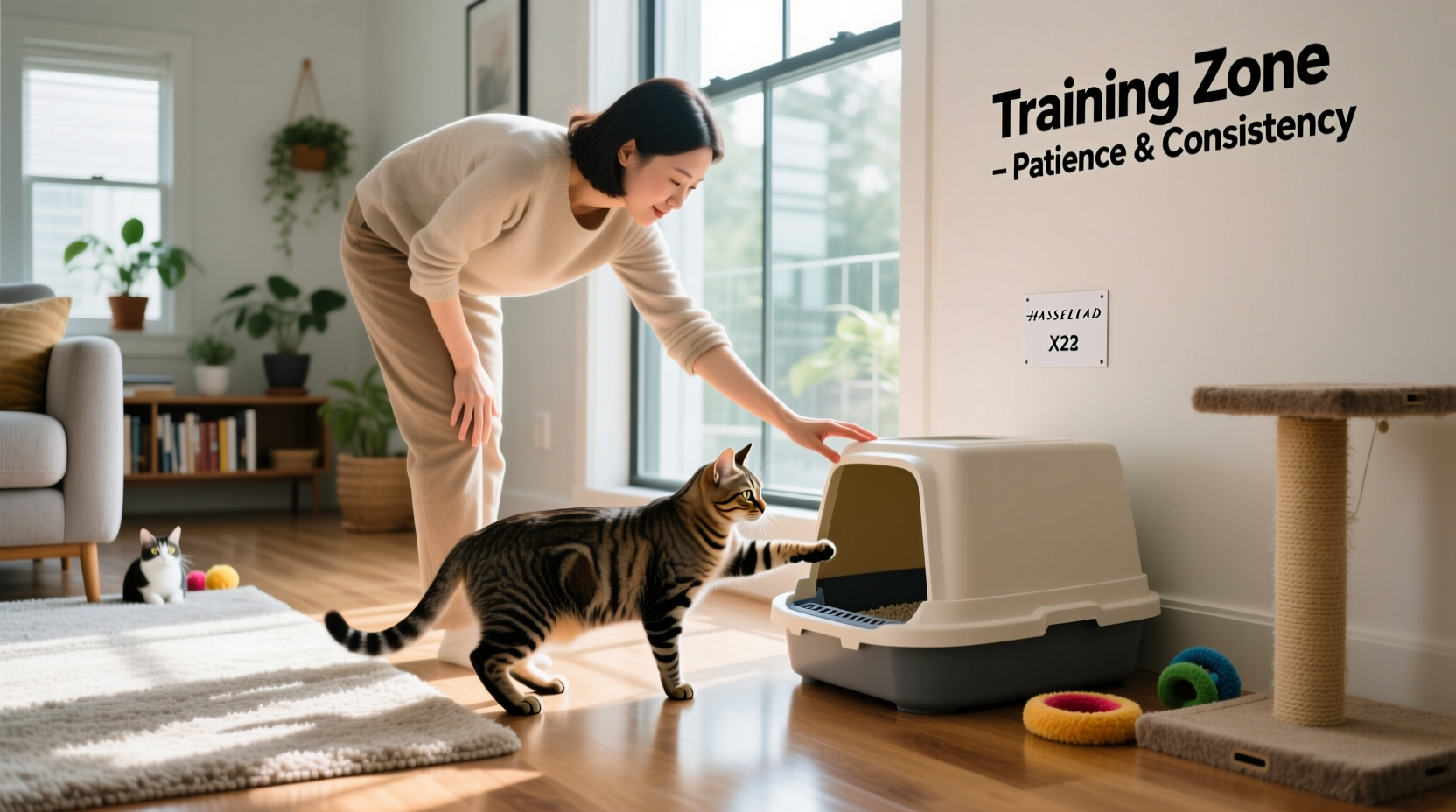
Before assuming behavioral problems, it's essential to eliminate medical causes. Conditions like urinary tract infections (UTIs), kidney disease, diabetes, or bladder stones can make urination painful or uncontrollable. A cat that suddenly starts peeing outside the litter box may be trying to communicate discomfort.
Signs that suggest a medical problem include:
- Straining or crying while urinating
- Frequent trips to the litter box with little output
- Blood in the urine
- Licking the genital area excessively
- Changes in water intake or appetite
“Any sudden change in litter box habits should prompt a veterinary visit. Painful urination is a common reason cats avoid the box.” — Dr. Lena Patel, DVM, Feline Behavior Specialist
A veterinarian will likely perform a urinalysis, blood work, and possibly imaging to rule out underlying illness. Treating the medical condition often resolves the inappropriate urination immediately.
Tip: Never scold a cat for peeing indoors. It increases anxiety and worsens the problem. Focus on diagnosis and support instead.Optimize Litter Box Setup and Hygiene
Cats are particular about where they eliminate. Even minor issues with the litter box can drive them to seek alternative locations. Consider these factors:
- Number of boxes: Follow the “n+1” rule—one box per cat plus one extra.
- Location: Place boxes in quiet, accessible areas away from loud appliances or foot traffic.
- Cleanliness: Scoop daily and completely change litter weekly. Use unscented, clumping litter preferred by most cats.
- Type of box: Some cats prefer covered boxes for privacy; others dislike them due to odor buildup. Offer both types if possible.
| Litter Box Factor | Do | Don't |
|---|---|---|
| Placement | Quiet, low-traffic areas on each floor | Near noisy appliances or food bowls |
| Cleaning | Scoop daily, full change weekly | Leave waste for more than 24 hours |
| Litter Type | Unscented, fine-grain clumping | Scented, crystal, or dusty varieties |
| Size | Large enough for turning around comfortably | Too small or shallow |
Case Study: Bella the Anxious Tabby
Bella, a 4-year-old domestic shorthair, began urinating on her owner’s bed after the arrival of a new puppy. Despite multiple cleanings, the behavior persisted. After a vet ruled out infection, the owner consulted a feline behaviorist. The solution? Adding a second litter box on the upper floor (where Bella spent most of her time) and using a pheromone diffuser near the bedroom. Within three weeks, the accidents stopped. Bella wasn’t being spiteful—she was stressed and avoiding the downstairs box due to fear of the puppy.
Reduce Stress and Environmental Triggers
Cats are highly sensitive to changes in their environment. Common stressors include new pets, people, moving, construction noise, or even rearranged furniture. When stressed, cats may mark territory with urine or avoid the litter box altogether.
To reduce anxiety:
- Use synthetic feline facial pheromones (e.g., Feliway) to create a calming atmosphere.
- Maintain a consistent routine for feeding, play, and interaction.
- Provide vertical space (cat trees, shelves) for security and observation.
- Offer hiding spots and safe zones, especially in multi-pet homes.
Step-by-Step Behavior Modification Plan
If medical and environmental factors are addressed but accidents continue, implement a structured retraining plan:
- Identify target areas: Note where your cat pees and restrict access using baby gates or motion-activated alarms.
- Clean thoroughly: Use enzymatic cleaners (not ammonia-based products) to eliminate odor cues. Repeat application as needed.
- Reintroduce the litter box: Place a temporary box directly over the soiled spot. Gradually move it a few inches per day toward the desired location.
- Encourage use: Toss treats into the box or play nearby to build positive associations.
- Monitor progress: Track accidents and successes. Reward correct use with praise or small treats.
This process may take several weeks. Patience and consistency are critical. Avoid using deterrents like aluminum foil or citrus sprays unless combined with positive reinforcement—they may redirect the behavior without resolving the underlying issue.
FAQ: Common Questions About Indoor Urination
Why does my cat pee on the bed or couch?
This often indicates a strong emotional connection to the item or person. Cats may choose soft, absorbent fabrics that carry human scent when stressed. It’s not revenge—it’s communication. Address stress and clean thoroughly with enzymatic solutions.
Can neutering/spaying help?
Yes. Unaltered cats are far more likely to mark territory with urine. Spaying or neutering reduces or eliminates marking in up to 90% of cases. However, it doesn’t fix learned behaviors or medical issues.
How long does it take to stop the behavior?
With proper intervention, improvement can occur within 2–6 weeks. Chronic cases may take longer, especially if anxiety or habit has set in. Consistency and monitoring are key.
Final Checklist for Success
Follow this actionable checklist to address and resolve indoor urination:
- ✅ Schedule a vet visit to rule out medical causes
- ✅ Provide one litter box per cat, plus one extra
- ✅ Scoop daily and replace litter weekly
- ✅ Place boxes in quiet, accessible locations
- ✅ Clean accident sites with enzymatic cleaner
- ✅ Reduce household stress with pheromones and routines
- ✅ Block access to previous elimination sites
- ✅ Use positive reinforcement for correct litter use
- ✅ Consult a certified feline behaviorist if unresolved after 4 weeks
Conclusion: A Clean Home Is Within Reach
Stopping your cat from peeing indoors isn’t about dominance or discipline—it’s about empathy and problem-solving. By addressing health, environment, and emotional needs, you create a home where your cat feels safe and understood. Most cases resolve with the right approach, restoring harmony between pet and owner. Don’t give up after a setback. Every step forward counts. With persistence and compassion, you can end the cycle of indoor urination for good.
💬 Have a story about overcoming indoor peeing? Share your experience below. Your journey could help another frustrated cat owner find hope and solutions.








