Mealtime should be a peaceful, enjoyable experience for both dogs and their owners. Yet, many pet parents face the same frustrating scene: a determined dog pushing, nudging, or even chasing a sliding food or water bowl across the floor. This not only creates mess but can lead to anxiety, poor eating habits, and even injury if the dog slips while lunging after the bowl. The good news is that with the right approach, you can eliminate this issue entirely. From anti-slip mats to elevated feeders and DIY solutions, there are multiple proven methods to keep your dog’s bowl securely in place—transforming mealtimes into calm, stress-free routines.
Why Dog Bowls Slide: Understanding the Problem
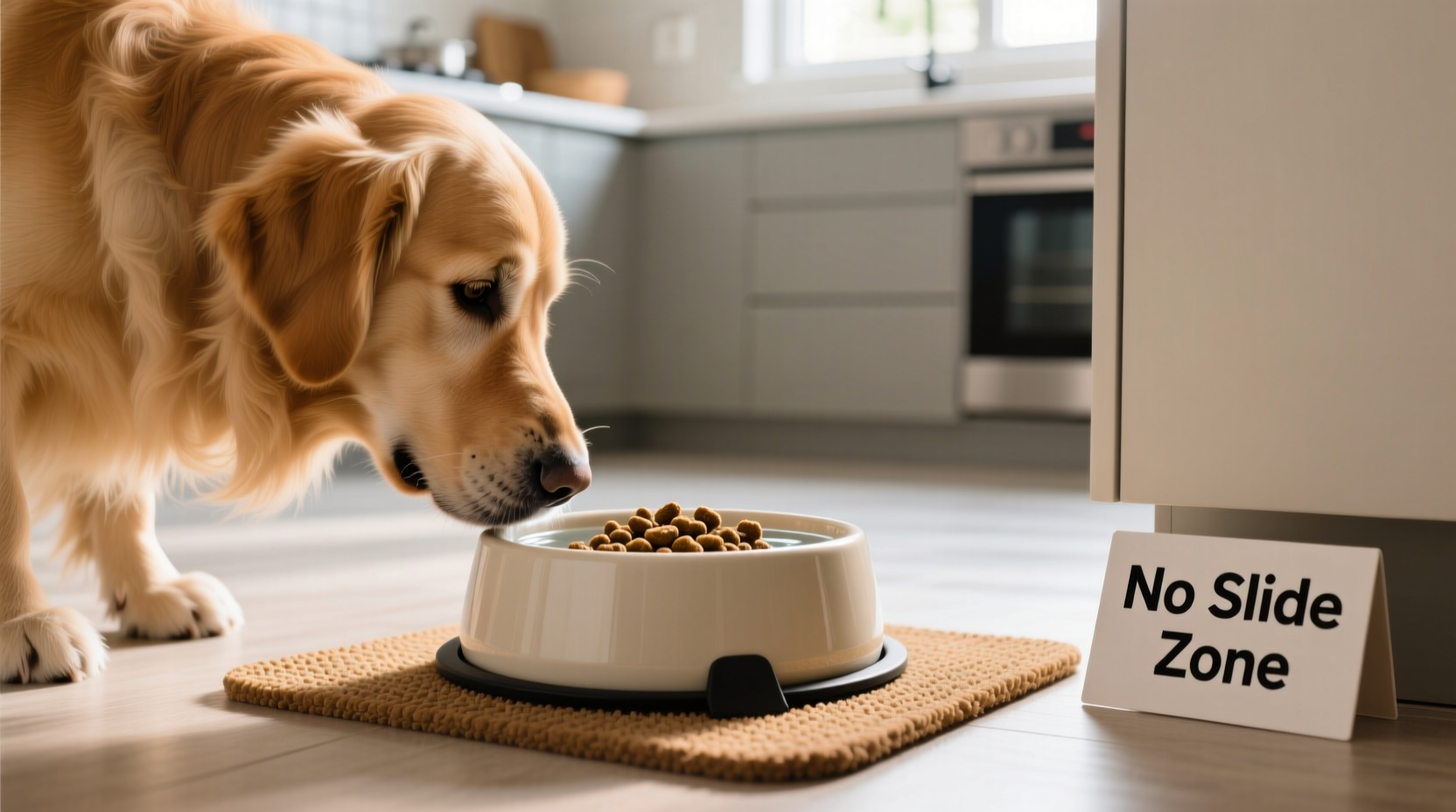
Dog bowls slide primarily due to a combination of surface smoothness, bowl material, and the force exerted by the dog during feeding. Lightweight plastic or stainless steel bowls on hardwood, tile, or laminate floors offer little resistance. When a dog eats enthusiastically—especially larger breeds or those with strong necks—the repeated pushing motion easily shifts the bowl. Over time, this behavior can become habitual, with dogs anticipating movement and aggressively pawing or nudging the bowl before they even start eating.
Sliding bowls aren’t just inconvenient—they can cause real issues. Dogs may eat too quickly in an attempt to “catch” their food, leading to bloating or indigestion. Others develop anxiety around mealtimes, fearing their food will disappear. In multi-dog households, a moving bowl can trigger competition or guarding behaviors. Addressing the root cause isn’t about controlling the dog—it’s about creating a stable, predictable environment that supports healthy eating habits.
Tip: Observe your dog’s eating behavior closely. If they lunge forward or push hard against the bowl, it’s a sign the current setup lacks stability.Effective Solutions to Stop Bowl Sliding
Stopping a sliding dog bowl doesn’t require expensive gadgets or complex training. Often, simple environmental adjustments make all the difference. Below are several reliable strategies backed by pet owners and veterinary professionals.
1. Use Anti-Slip Mats and Non-Skid Bases
One of the most accessible fixes is placing a non-slip mat under the bowl. These mats are typically made from silicone, rubber, or textured TPR (thermoplastic rubber) and grip both the bowl and the floor. Look for models with raised edges to contain spills—a bonus for messy eaters.
For a more permanent solution, consider bowls with built-in rubber bases. Many high-quality stainless steel or ceramic bowls come with wide, grippy bottoms that resist movement even on slick surfaces. Brands like Outward Hound and PetFusion have engineered designs specifically to combat sliding.
2. Upgrade to Elevated Feeders
Elevated feeders raise the bowl to a height that aligns with your dog’s chest, reducing strain on the neck and encouraging better posture. But beyond ergonomics, these stands often feature wide, weighted bases that prevent sliding. Metal or wood frames with rubberized feet provide excellent stability.
Veterinarian Dr. Karen Becker notes, “Elevated feeders can improve digestion and reduce air intake during meals, especially in large or deep-chested breeds.” Just ensure the height is appropriate—too high can cause neck strain.
“Stable feeding setups contribute to calmer eating patterns and can help prevent conditions like gastric dilatation-volvulus (GDV) in at-risk breeds.” — Dr. Karen Becker, Integrative Veterinarian
3. Try a Feeding Station or Tray
A dedicated feeding station combines functionality with organization. These trays are typically made from rubber, silicone, or durable plastic with compartments for food and water bowls. The entire tray grips the floor, anchoring the bowls within. Some models even include removable liners for easy cleaning.
For dogs that tend to flip or tip bowls, deeper trays with raised walls offer added security. You can also customize DIY versions using baking sheets lined with drawer liner pads for extra traction.
4. Weight It Down Strategically
In some cases, simply adding weight helps. Place the bowl inside a slightly larger, heavier container—like a cast iron skillet or a sturdy ceramic dish—to anchor it. Alternatively, use a double-bowl holder filled with sand or pebbles in the unused compartment to balance and stabilize the setup.
This method works well for outdoor feeding areas where mats might blow away or get dirty. Just ensure the weighted base is safe and won’t tip over if bumped.
Step-by-Step Guide: Securing Your Dog’s Bowl in 5 Minutes
Follow this quick routine to create a stable feeding zone:
- Assess the surface: Is the floor smooth? If so, prioritize non-slip solutions.
- Choose the right bowl: Opt for one with a rubber base or use a separate non-slip mat.
- Position the bowl: Place it in the center of the mat or tray to maximize grip.
- Test stability: Gently push the bowl to simulate your dog’s force. Adjust if it moves.
- Observe during feeding: Watch your dog eat. If the bowl stays put and your dog eats calmly, the solution works.
Do’s and Don’ts: Best Practices for Stable Feeding
| Do’s | Don’ts |
|---|---|
| Use rubber-backed mats or bowls | Place lightweight bowls on slick floors |
| Choose appropriately sized elevated feeders | Use unstable furniture as makeshift stands |
| Clean feeding accessories regularly | Ignore signs of rapid eating or anxiety |
| Anchor bowls in multi-dog households | Allow sliding to continue unchecked |
Real-Life Example: Solving Max’s Mealtime Chaos
Max, a two-year-old Labrador Retriever, would routinely push his stainless steel bowl across the kitchen floor, sometimes finishing his meal in three different rooms. His owner, Sarah, found kibble scattered near doorways and water pooled near the entryway. After trying several cheap plastic mats with no success, she invested in a silicone feeding tray with deep rims and rubber grips. She placed Max’s bowl in the center and secured the tray on her tile floor.
The change was immediate. Max stopped chasing the bowl and began eating more slowly. Within days, Sarah noticed less gulping and fewer post-meal burps—signs of improved digestion. “It’s amazing how such a small fix made mealtime peaceful,” she said. “Now I just refill the tray, wipe it down, and we’re good to go.”
Checklist: How to Keep Your Dog’s Bowl from Sliding
- ✅ Assess your current feeding surface (tile, wood, carpet)
- ✅ Replace flimsy bowls with ones featuring rubber bases
- ✅ Invest in a non-slip feeding mat or tray
- ✅ Consider an elevated feeder for larger or senior dogs
- ✅ Test the setup by simulating your dog’s eating pressure
- ✅ Monitor your dog’s eating behavior after changes
- ✅ Clean all feeding accessories weekly
Frequently Asked Questions
Can sliding bowls cause health problems?
Yes. Constantly chasing a bowl can lead to rapid eating, which increases the risk of bloat—especially in large or deep-chested breeds like Great Danes or Boxers. It can also cause neck strain or digestive discomfort from poor posture.
Are elevated feeders safe for all dogs?
While beneficial for many, elevated feeders are not recommended for puppies or dogs prone to bloat without veterinary guidance. Incorrect height can encourage unhealthy eating angles. Always consult your vet if your dog has a history of GDV.
What’s the best material for non-slip dog bowl mats?
Silicone and natural rubber are top choices. They’re durable, easy to clean, and provide excellent grip on both the floor and the bowl. Avoid thin vinyl or foam pads, which wear out quickly and offer minimal traction.
Take Control of Mealtime Today
A sliding dog bowl might seem like a minor annoyance, but its impact on your dog’s comfort, eating habits, and overall well-being is significant. With thoughtful solutions—from anti-slip mats to elevated feeders—you can create a stable, calming feeding environment that benefits both pet and owner. The key is consistency and observation: test what works, adjust as needed, and prioritize safety and hygiene.
💬 Have a favorite anti-slide hack or product that works for your dog? Share your experience in the comments and help fellow pet lovers enjoy quieter, cleaner mealtimes!








