Dog owners often notice their pets licking or chewing their paws, sometimes obsessively. While occasional grooming is normal, persistent paw chewing can signal underlying health issues, discomfort, or behavioral problems. Left unaddressed, this habit can lead to raw skin, infections, and delayed healing. Understanding why dogs chew their paws—and how to intervene effectively—is essential for their well-being. This guide outlines proven strategies to stop the behavior, treat existing damage, and prevent recurrence.
Why Dogs Chew Their Paws: Common Causes
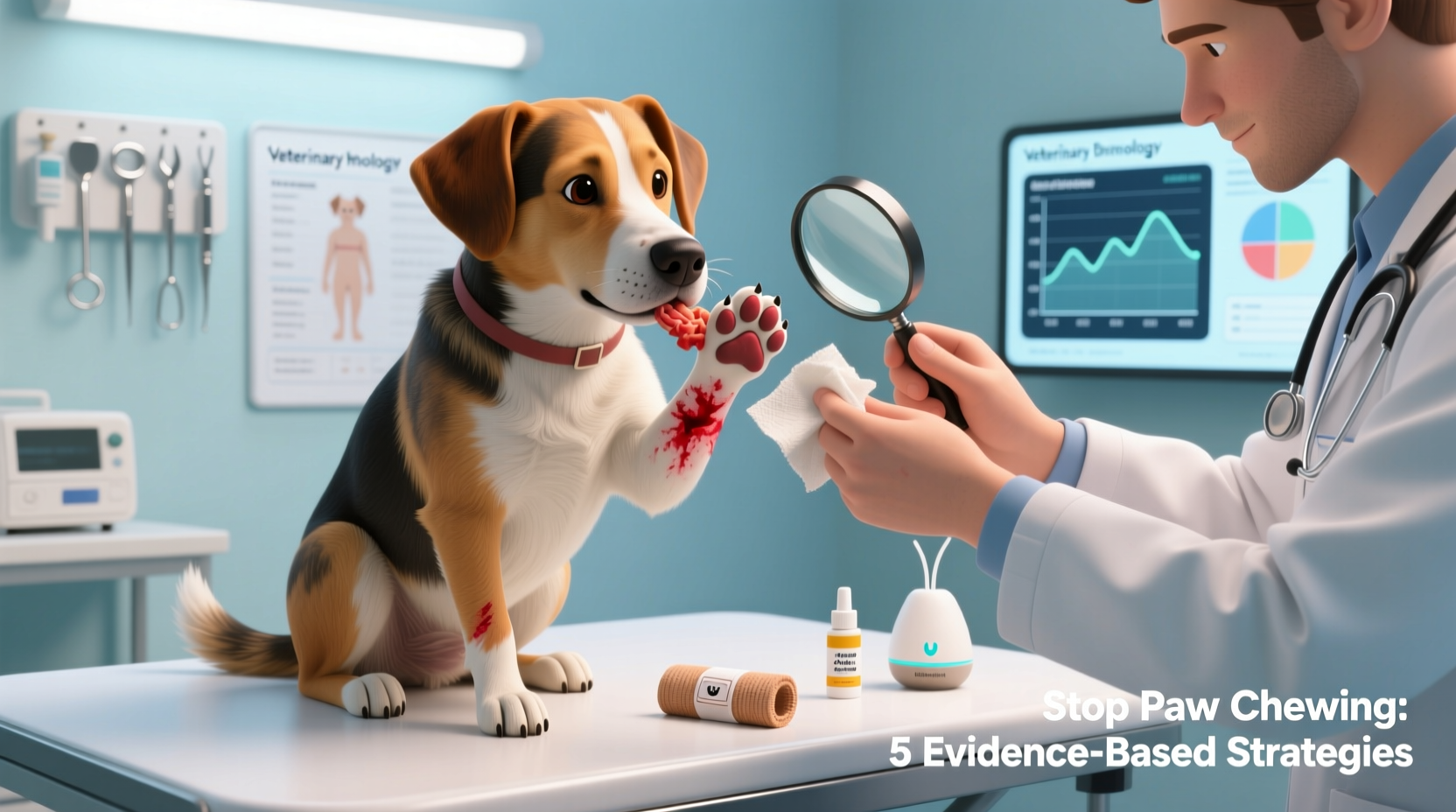
Paw chewing isn’t just a bad habit—it’s usually a symptom. Identifying the root cause is the first step toward an effective solution. Common reasons include:
- Allergies: Environmental allergens (pollen, dust mites) or food sensitivities can cause itchy paws, prompting dogs to chew for relief.
- Parasites: Fleas, ticks, or mites irritate the skin and may trigger compulsive licking.
- Infections: Bacterial or yeast infections between the toes create discomfort and inflammation.
- Injuries: Cuts, splinters, thorns, or cracked paw pads can lead to localized pain and licking.
- Anxiety or boredom: Stress, separation anxiety, or lack of stimulation may manifest as repetitive behaviors like paw chewing.
- Autoimmune disorders: Less commonly, conditions like lupus or pemphigus affect the skin and paws.
Because multiple factors can overlap, a comprehensive approach that includes veterinary diagnosis and home care is crucial.
Tip: Monitor when and where the chewing occurs—indoors vs. outdoors, after meals, during storms—to help identify triggers.Step-by-Step Guide to Stop Paw Chewing
Addressing paw chewing requires both immediate intervention and long-term management. Follow this structured timeline to break the cycle:
- Inspect the paws daily: Look for redness, swelling, discharge, foreign objects, or cracked pads. Clean gently with warm water and mild pet-safe soap.
- Visit your veterinarian: Rule out medical causes. Your vet may perform skin scrapings, allergy tests, or blood work.
- Treat underlying conditions: Administer prescribed medications such as antifungals, antibiotics, antihistamines, or anti-anxiety drugs as directed.
- Prevent access: Use an Elizabethan collar (cone), soft recovery collar, or paw booties to stop further chewing while healing begins.
- Implement behavioral modifications: Increase exercise, provide mental stimulation, and use positive reinforcement to redirect attention.
- Adjust diet if needed: If food allergies are suspected, transition to a limited-ingredient or hypoallergenic diet under veterinary guidance.
- Monitor progress: Track changes weekly and schedule follow-ups to ensure full recovery.
Consistency over 4–6 weeks is typically required before significant improvement is seen.
Do’s and Don’ts When Managing Paw Chewing
| Do’s | Don’ts |
|---|---|
| Keep paws clean and dry after walks | Use human lotions or alcohol-based cleaners |
| Trim nails regularly to reduce irritation | Allow prolonged chewing without intervention |
| Use vet-approved topical treatments | Scold or punish your dog for chewing |
| Introduce puzzle toys and chew-safe alternatives | Ignore signs of infection or limping |
| Wipe paws with pet-safe wipes post-walk | Delay veterinary consultation if symptoms persist |
Expert Insight on Behavioral and Medical Factors
“Chronic paw licking is one of the most common complaints in veterinary dermatology. In my experience, over 60% of cases involve allergic components—either environmental or dietary. But we must also assess the psychological aspect. A dog that licks obsessively may be self-soothing due to stress.” — Dr. Lena Torres, DVM, Veterinary Dermatology Specialist
This dual perspective underscores the importance of combining medical treatment with environmental enrichment. For example, dogs left alone for long periods may develop compulsive behaviors. Providing interactive toys, establishing routines, and using calming aids like pheromone diffusers can significantly reduce stress-induced chewing.
Real Example: How Max Overcame Chronic Paw Licking
Max, a 3-year-old Golden Retriever, began chewing his front paws excessively after moving to a new home. His owner initially assumed it was due to rough terrain, but the licking worsened at night. A vet visit revealed no injuries or parasites, but skin testing showed sensitivity to grass pollen and chicken protein.
The treatment plan included:
- A novel-protein diet (venison and potato)
- Weekly medicated paw soaks with chlorhexidine
- Daily use of hypoallergenic paw wipes after outdoor time
- Increased morning walks and introduction of a snuffle mat for mental engagement
- Short courses of antihistamines during high-pollen seasons
Within two months, Max’s paw condition improved dramatically. His owner noted he seemed more relaxed overall, suggesting that reducing physical discomfort also eased anxiety.
Tip: Rotate chew toys and introduce new scents (like lavender or chamomile-infused ones) to distract from licking urges.Healing Support: Promoting Recovery and Preventing Relapse
Once the chewing stops, focus shifts to tissue repair and resilience. Consider these supportive measures:
- Natural balms: Apply veterinarian-recommended paw creams containing shea butter, coconut oil, or calendula to soothe and moisturize.
- Dietary supplements: Omega-3 fatty acids (from fish oil) support skin health and reduce inflammation.
- Environmental control: Wash bedding frequently, vacuum carpets, and avoid walking your dog in areas with heavy pesticides or salt in winter.
- Regular grooming: Keep hair between toes trimmed to prevent moisture buildup and debris trapping.
Healing takes time—typically 2 to 4 weeks for superficial lesions, longer for deep infections. Avoid removing protective collars too early, as relapse is common.
Frequently Asked Questions
Can I use coconut oil on my dog’s chewed paws?
Yes, pure, organic coconut oil can help moisturize minor cracks and soothe irritated skin. However, it won’t treat infections. Prevent your dog from licking it off by using a cone or waiting until absorption. Always consult your vet if the area is open or oozing.
How do I know if the chewing is due to anxiety?
Behavioral chewing often occurs during downtime, storms, or when you’re preparing to leave. It may affect specific paws repeatedly and improve with distraction. Video monitoring can help identify patterns. A veterinary behaviorist can confirm if anxiety is involved and recommend therapy or medication.
Are certain breeds more prone to paw chewing?
Yes. Breeds like Labrador Retrievers, German Shepherds, Bulldogs, and West Highland White Terriers have higher rates of allergies and skin conditions, making them more susceptible. Regular paw care and early intervention are especially important for these dogs.
Action Plan Checklist
Use this checklist to systematically address and resolve paw chewing:
- ✅ Inspect paws daily for cuts, redness, or swelling
- ✅ Schedule a vet appointment to rule out medical causes
- ✅ Begin prescribed treatments (antibiotics, antifungals, etc.)
- ✅ Use a cone or soft collar to prevent further damage
- ✅ Wipe paws after outdoor activity with pet-safe wipes
- ✅ Introduce mental stimulation (puzzle toys, training games)
- ✅ Evaluate diet for potential allergens
- ✅ Apply healing balm to damaged areas as advised
- ✅ Monitor progress weekly and adjust as needed
- ✅ Follow up with your vet for re-evaluation
Conclusion: Take Action for a Healthier, Happier Dog
Paw chewing is more than a nuisance—it’s a sign that your dog needs help. Whether the cause is physical, emotional, or both, timely and compassionate intervention can restore comfort and prevent long-term complications. By combining veterinary care, environmental adjustments, and consistent monitoring, you can break the cycle of chewing and support full healing.
💬 Your dog’s well-being starts with awareness. Share your experiences or questions in the comments—your story could help another pet owner find relief for their furry friend.








